How to care for Aizoaceae succulents to grow plump, chubby succulents
Nowadays people have higher and higher demands for quality of life, and their taste in life is rising along with it. Potted plants, as a decorative item, are deeply loved by everyone. Almost every office worker will place a pot of green plants on their desk to add a bit of vitality to their monotonous work, and that is quite nice. So, today we are going to talk about coconut palm bonsai cultivation, and you can learn how to grow one too.
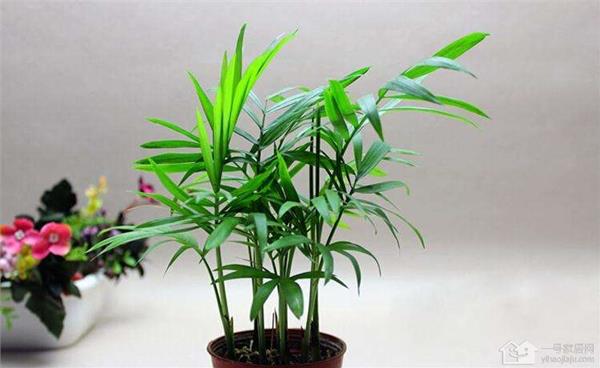
I. Coconut palm bonsai cultivation and planting
The small coconut palm has fairly strong adaptability, but if you are too lazy during the growing process or handle things improperly, it can still cause phenomena such as yellowing leaves.
1. Growth habits: It prefers a warm, humid and semi-shaded environment. The suitable temperature for growth is 20-30 degrees; at 13 degrees it enters dormancy, and the minimum winter overwintering temperature is 3 degrees.
2. Potting soil: For small coconut palm potted plants, a substrate made from leaf mold and peat soil plus 1/4 river sand and a small amount of base fertilizer can generally be used. It is best to plant in loam soil that drains well and is loose and fertile.
3. Watering: Follow the method of preferring wetness over dryness, keeping the soil in a long-term moist state. In hot, dry summer conditions, it needs frequent spraying to increase the humidity of the surrounding air and keep the leaves evergreen; in winter, watering should be reduced to better get through the cold winter.
4. Fertilizing: During the growing season, apply liquid fertilizer 1-2 times a month; organic fertilizer or the three elements are both fine. From late autumn to winter, apply a light thin fertilizer; after entering dormancy, no fertilizing is needed.
5. Sunlight: It is suitable for growing in a semi-shaded environment. In high-temperature weather, pay attention to proper shading, leaving 50-60% light. It must never receive direct strong light, otherwise the leaves will fade or even turn yellow, causing leaf scorch and black spot disease and affecting its ornamental value.
6. Temperature: The suitable temperature for growth is 15-30°C, of which May to September is 19-30°C, and October to the following April is 13-16°C. In summer it can endure high temperatures of 35°C; when the temperature exceeds 35°C, measures such as proper shading or spraying water and ventilation should be taken. In winter, the environmental temperature should be maintained no lower than 5°C, otherwise when the temperature is below 5°C for a long time, it is prone to frost damage and leaf drop.
7. Pests and diseases: Under high temperature and high humidity, the small coconut palm is prone to brown spot disease. If brown spot disease is found, promptly use 800-1000 times diluted Topsin or Baijunlingqing for control. When the air is dry and ventilation is poor, scale insects are also likely to occur. If scale insects are found, besides manual scraping, you can also spray 800-1000 times diluted omethoate for control.
II. Reasons for yellowing leaves of coconut palm bonsai
Too little watering: The small coconut palm likes moisture and needs sufficient water. If watered too little, the leaves will turn yellow and gradually wither and fall off. Solution: Water frequently to keep the potting soil moist. When the air is dry in summer and autumn, spray the plant frequently to increase the air humidity of the environment.
Too strong fertilizing: The small coconut palm does not have high fertilizer requirements. If too much fertilizer is applied, fertilizer burn will occur, causing the leaves of the small coconut palm to turn yellow. Solution: During the growing season of the small coconut palm, apply liquid fertilizer 1-2 times a month; in late autumn and winter, apply a little fertilizer or none at all.
Too intense light: The small coconut palm likes semi-shaded conditions. When the light is too strong, the leaves of the small coconut palm will become pale or yellow, losing their ornamental value. Solution: Keep the small coconut palm in a place with ample diffused light, which can provide enough light for growth without causing the problem of yellowing leaves from too intense light.
Disease infection: In high-temperature seasons, the small coconut palm is easily infected by root rot and other diseases. Disease infection will cause the leaves of the small coconut palm to begin to yellow and wither, and in severe cases will cause the plant to die. Solution: Pay attention to ventilation in the growing environment of the small coconut palm and air permeability of the soil. When disease occurs, spray Topsin and chlorothalonil.
If you want to learn more related information, you can continue to follow No. 1 Home Network.