Dumb Cane Notes and Propagation Methods
Dumb cane (Dieffenbachia) is a highly ornamental plant that has long received widespread attention. So how do you care for dumb cane? I believe everyone wants to know the answer to this question. Let us now take a look at the cultivation methods for dumb cane. Through learning about dumb cane, we can better apply this knowledge in daily life. So let us now take a look at how to care for dumb cane.
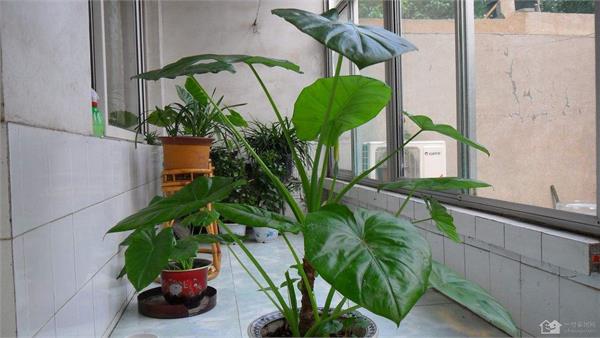
Cultivation Methods for Dumb Cane
1. Suitable temperature for growing dumb cane: 20-25°C is the most suitable temperature for growing dumb cane. When room temperature is below 18°C, dumb cane will enter a dormant period and stop growing. Dumb cane prefers a warm, humid, semi-shaded environment. During cultivation, you must pay special attention to seasonal changes. When summer arrives, be especially careful to place dumb cane in a semi-shaded, well-ventilated spot, and mist its leaves multiple times to maintain air humidity. Avoid excessively high temperatures causing abnormalities in dumb cane. Dumb cane is not very cold-resistant. Depending on the temperature differences between north and south, it needs to be moved indoors in autumn and winter.
2. How to fertilize dumb cane: The fertilization cycle for dumb cane is once a month. Every 2 weeks, a supplementary feeding must be given. The potting soil also needs to be moistened. Fertilization requirements: Use nitrogen-based thin liquid fertilizer mixed with phosphorus and potassium fertilizers as a supplement. When top-dressing, avoid pouring the fertilizer water onto the leaf sheaths, as this will cause dumb cane to rot. If you want the leaves of dumb cane to be large and green, applying some ferrous sulfate can achieve this. If you want dumb cane to look beautiful, avoid nutrient deficiency. Once nutrient deficiency occurs, the stem of dumb cane will shrivel and become bare. The dumb cane you usually see comes in large and small sizes. If you want to grow dumb cane small and attractive, when the seedling grows to the height you want, such as 40cm, spray the entire plant with a 2% paclobutrazol solution. In the later growth process, you will find that dumb cane will not grow taller than 40cm. If dumb cane continues to grow, you can spray the entire plant again. Generally, spraying once about every six months can achieve the effect of controlling height.
3. Watering precautions: In summer, you can water dumb cane more. People often say that the stems of their dumb cane rot. This is caused by water accumulation. If you overwater dumb cane, this situation will occur, so you must control the degree when watering. In winter, dumb cane enters a long dormant period, so watering should be controlled in winter, and fertilization should be stopped.
4. Lighting issues for dumb cane: For plants that prefer semi-shade, direct sunlight is the biggest taboo. When the leaves of cultivated dumb cane droop, it may be due to nutrient deficiency. At this time, you need to add some liquid fertilizer to dumb cane. When dumb cane enters its flowering period, ensure 3-5 hours of light exposure per day. Otherwise, the flower buds will turn green, the petioles will elongate, and the appearance will be affected.
Notes on Dumb Cane
1. Flower enthusiasts should be reminded that the white sap inside the stem of dumb cane is toxic, and the water that drips from it is also toxic. Accidental contact with or ingestion of its sap will cause discomfort in the throat and mouth, and a burning sensation in the stomach. Special care should be taken to prevent young children from ingesting it accidentally. However, dumb cane is not a carcinogenic plant.
2. Precisely because dumb cane is toxic, skin contact with its sap will cause itching or severe irritation, and eye contact with the sap can cause severe conjunctivitis, or even blindness. Accidentally eating the stem or leaves will cause symptoms of nausea and pain, and in severe cases, suffocation, leading to cardiac paralysis and death. Therefore, contact with dumb cane should be minimized, and families with children had best not grow it.
Propagation Methods for Dumb Cane
Sowing
Sowing dumb cane is relatively rare, as seeds are hard to find and the growth period is long. No one would have the patience to quietly wait for dumb cane to grow up. Of course, if you have enough time and can find seeds, you can give it a try. In spring, when the temperature is 25-28°C, sow the seeds in a flower pot, cover with plastic wrap, and ensure a certain humidity. In about 1 month, they will slowly sprout. Care for them well and wait for them to grow.
Division
Division depends on how the dumb cane is growing. In summer and autumn, the stem of dumb cane will grow new small plantlets. At this time, the entire young shoot can be dug out and replanted in a new pot.
Cutting
Cutting is the most widely used propagation method for dumb cane, with a high survival rate and rapid reproduction. Cut a healthy 15cm branch and insert it into soft sandy soil. It will take root in about a week, and in 2 months, a healthy new plant will grow.
If you want to learn more related information, you can continue to follow No.1 Home Network.