How to Grow and Care for Variegated Serissa
What are the growing methods for variegated serissa? And what comprehensive understanding do people have about plants? With these questions in mind, let us learn about plant cultivation knowledge together so that we can better apply it in daily life.
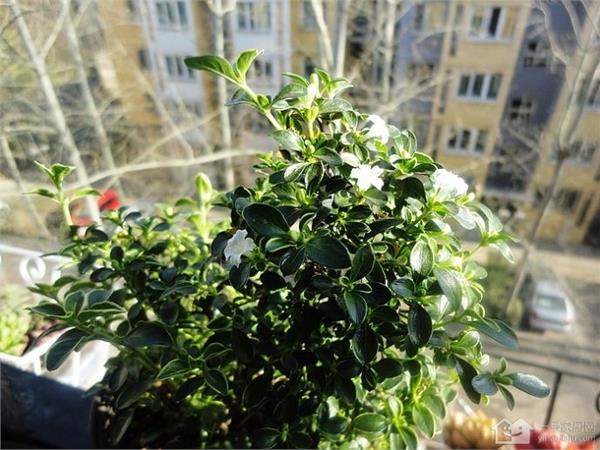
How to Grow Serissa
1. Serissa is generally propagated mainly by transplanting or cuttings. Transplanting is usually suitable in March. Use sandy soil with light fertilizer; simply ensure the soil is rich in organic matter and has good drainage and aeration.
2. During the growing period, water should be applied appropriately. Since it is fairly cold-tolerant, the main principle in summer is to water when the soil is dry, while in winter it should not be watered too much.
3. Appropriate fertilizing is necessary for its growth. Although it can be grown with minimal care, applying suitable fertilizer around April during the growing period will make it bloom very well. Remember never to use concentrated fertilizer.
4. During growth, some forked branches may cause unsuitable growth. Pruning branches appropriately will lead to better growth. During pruning, loosening the soil should also be arranged reasonably to keep the soil loose. This is especially true for pruning diseased branches.
5. Serissa is relatively easy to grow and has few pests. Generally only aphids attack it, and other pests are rare. A folk method is to mix essential balm with water and spray it on the plant; generally the dilution ratio should be high, otherwise it will backfire. If roots rot, they can be cut off, and appropriate medication should be added for treatment.
6. When growing in pots, pruning and pinching back can generally be done appropriately before budding, appropriately reducing height and controlling growth.
7. As a plant that tolerates light shade, serissa should not be exposed to too much sun. Only occasional scattered light is enough for appropriate photosynthesis. It needs shade in daily care, and in summer watering the leaves helps lower the temperature.
What Are the Growing Methods and Key Points for Variegated Serissa
As a home decorative plant, variegated serissa is generally grown by transplanting, and the best time for transplanting is February or March each year. When transplanting, it is best to use a dark-colored purple clay pot or glazed pot, which can form a sharp contrast with the flower color and further highlight the brightness of the variegated serissa. In terms of soil choice, sandy soil is the best option, as such soil has better aeration and drainage, which benefits root growth. After transplanting is completed, it needs to be watered and fertilized regularly, and the amount of water each time should be controlled well, especially in summer, when water should be appropriately sprayed on the leaves to keep them moist. Fertilizing should not be done too often; apply fertilizer once in April or May, and there is no need to fertilize again before winter arrives.
The growth of every plant has certain requirements for sunlight, and variegated serissa is no exception. Serissa is a sun-loving plant and grows faster in moist, ventilated places with light, but it should not be exposed to direct sunlight, and the temperature where the pot is placed should not be too high, generally 5~12°C. In winter it can be moved indoors. During cultivation, it also needs pruning and soil loosening, which can ensure that the growth form of the serissa develops in the direction you prefer. As for loosening the soil, this is to help the roots grow better.
In addition, during the cultivation of variegated serissa, special attention should also be paid to preventing the occurrence of pests and diseases. When pests or diseases are found, essential balm can be used to kill insects. Remember: essential balm must be diluted before spraying. To better prevent and control pests and diseases, spraying can be carried out regularly.
How to Grow Serissa
1. Soil: It has strong drought tolerance and is not strict about soil. For pot cultivation, it is best to use a moist culture soil that contains humus, is loose and fertile, has strong permeability, and is slightly acidic, so that it grows well.
2. Watering: Do not water too frequently or too much. Keep the pot soil moist, and water again only when it is dry. In the rainy season, do not let water accumulate in the pot, so as to avoid root rot. In summer, when the weather is hot and dry, spray water on the leaves in the morning and evening to lower the temperature and increase air humidity, so as to benefit its growth.
If you would like to learn more related information, you can continue to follow No.1 Home Network.