How to Grow Monstera deliciosa? Detailed Guide to Cultivation Methods and Precautions
Monstera deliciosa is a radiation-proof plant. With its elegant, upright and refined appearance, it attracts the attention of many flower enthusiasts, and more and more people are adding it to their collection of potted indoor ornamental plants. Below, the editor introduces the cultivation methods for Monstera deliciosa.
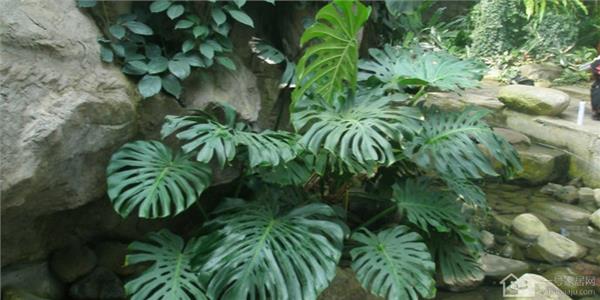
Cultivation Methods for Monstera deliciosa:
1. Light: Monstera deliciosa originally grows in tropical rainforests and prefers a warm, moist environment. It should not be placed in direct, scorching sunlight, as this can cause its leaves to wither. In summer, it needs to be placed in a spot with diffused sunlight.
2. Temperature: It is suited to growing in warm places with sufficient moisture. It is shade-tolerant but not cold-tolerant. In winter, the room temperature must not be below 5°C, or it will be damaged by frost, and it can be moved into a greenhouse. Below 10°C, its growth will slow down. The best temperature range is between 20-25°C.
3. Watering: Because its leaves are relatively large, which causes water to be lost too quickly, it needs to be watered frequently to keep the soil moist. Never let it become waterlogged, as this can cause root rot. In summer, spray water on its leaf surface 3-5 times a day to avoid stunted growth of the branches and leaves. Control the amount of water reasonably: water more on dry, hot days and during the peak growing season, and water as little as possible in winter and for seedlings.
4. Fertilizing: The growth of Monstera deliciosa requires sufficient fertilizer. During the peak growing season, apply fertilizer about once every two weeks. Pay attention to controlling the amount of fertilizer to maintain its ornamental appearance.
5. Pests and diseases: Its diseases generally include stem blight, leaf spot, gray spot and other conditions. It is often affected by scale insects, so prevention and control need to be strengthened in daily care. Usually, an old toothbrush is used to clean the surface, and then a 40% omethoate 1000-fold solution is sprayed on.
Precautions for Growing Monstera deliciosa:
1. It likes warmth and fears severe cold: Monstera deliciosa is native to the tropical rainforests of Mexico. It likes a warm environment and fears freezing, severe cold weather. It will not suffer cold damage when the temperature is above 5°C, and it grows well above 12°C.
2. It likes shade and fears strong light: Monstera deliciosa has strong shade tolerance. In a semi-shaded environment, it grows rapidly, thrives, develops well-grown aerial roots, and has thick, broad leaves with a glossy, dark green color.
3. It likes moisture and fears waterlogging: Monstera deliciosa likes to grow in a moist ecological environment. In the south, where there is a lot of rain, if waterlogging lasts too long, root rot, stem rot and leaf rot will occur.
4. It likes fertile soil and fears poor soil: Monstera deliciosa likes fertile soil, especially fertile sandy loam. Although it can grow in poor red-yellow soil, its growth becomes weaker, its plant shape becomes deformed, its leaves become smaller, and its leaf color becomes lighter, affecting its ornamental effect.
5. It likes organic soil fertilizer and fears chemical fertilizer: Monstera deliciosa is often given organic fertilizer, such as cake fertilizer, artificial organic fertilizer, livestock and poultry manure residue, farmyard manure and so on. Its plant vigor is strong, its leaves are as large as plates, its leaf texture is thick and substantial, and its leaf color is dark green and shiny, especially with the tortoise-shell pattern becoming clearer and more distinct.
If you want to learn more related information, you can continue to follow No.1 Home Network.