What are the cultivation methods and garden uses of the nerve plant?
The nerve plant is a small potted plant among foliage plants. It is already very common on windowsills, balconies and in living rooms in Europe and America, which shows that the nerve plant has a special charm. The leaves of the nerve plant are fresh and beautiful, making it especially suitable for potted display. Today, let us learn about the cultivation methods of the nerve plant. Let us find out together.
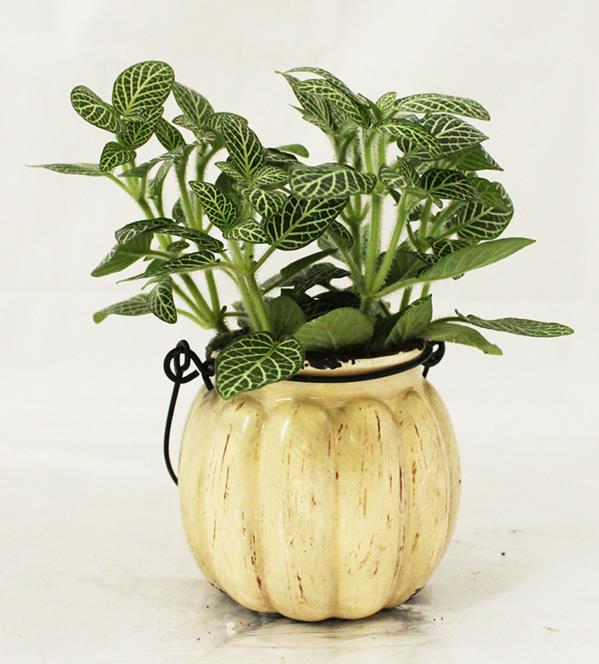
Potted nerve plant illustration 1
Cultivation methods of the nerve plant:
1. Light. It should be placed on a windowsill with relatively sufficient light, but there must be no direct sunlight, especially the strong light of summer.
2. Temperature. The nerve plant is relatively sensitive to temperature. The nighttime temperature should not be lower than 15 degrees. Even a brief period of low temperature can cause leaf drop or even death.
3. Water and fertilizer management. In spring, summer and autumn, watering should follow the principle of preferring moisture over dryness, but there must be no waterlogging, and the soil must not be allowed to dry out completely. In winter, it may be slightly drier. In addition, attention should be paid to increasing air humidity by frequently spraying water on the leaves. As for fertilizer requirements, apply a dilute fertilizer solution once every 2 weeks, while established plants can be given less or no fertilizer.
4. Repotting. The potting soil should be an equal mix of peat soil and coarse sand.
5. Pests and diseases. The common disease is anthracnose, and the pest is aphids. Pesticides can be sprayed for control.
6. Propagation. At home, short shoot tips with three or four pairs of leaves can be used as cuttings for propagation.
Garden uses of the nerve plant:
1. Used as a small potted plant: plant several cuttings in a colorful ceramic pot with a diameter of 10 cm and a height of about 13 cm, decorate around the growing medium with colorful stones or moss, and place it on a desktop or desk, which is especially elegant.
2. Used as a hanging basket plant: grow it in a hanging basket, and when the basket is full, place it indoors, making it look full of spring vitality.
3. Used in combination planting: the nerve plant is one of the main auxiliary materials for combination potted plants. Plant several shrubs of different colors or forms in a pot, and pair them with low-growing plants such as the nerve plant, ivy and spider plant to form a vivid three-dimensional picture.
If you want to learn more related information, you can continue to follow No.1 Home Network.