How to Grow Pak Choi: Key Points to Note When Growing Pak Choi
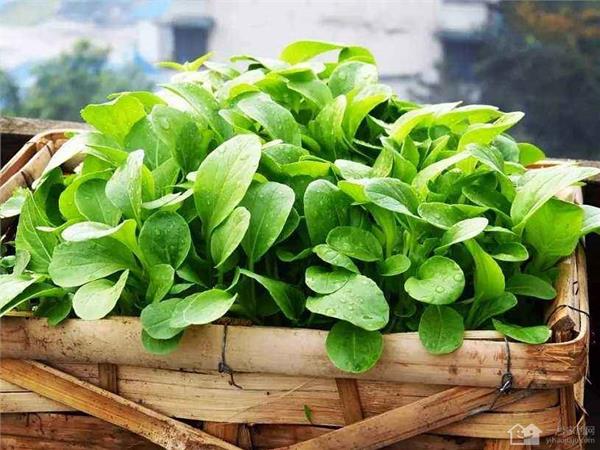
Green fruits and vegetables play a very important role for our bodies, so eating vegetables in moderation in our daily lives is very beneficial to our health. We also know that the vegetables currently on the market are generally not very healthy, so many friends want to grow vegetables themselves, but how exactly should they be grown? What techniques are there in the growing process? Today I will introduce the growing techniques for pak choi, and I hope everyone can learn how to grow it.
Leveling the soil
Whenever we talk about growing, there must be soil, and this is the foundation of growing, because no plant can exist without soil. To grow pak choi, ordinary soil is fine, and there is no need for very high requirements. In addition, the soil is best located close to where you live, to make it convenient to tend.
Once you have the soil, you need to use tools such as a hoe to turn the soil over once. People who have had similar experience probably understand the purpose of turning the soil: this is to let the plants develop and grow in loose soil and make it easy for them to absorb nutrients. After turning, you need to break up the large clumps of soil, otherwise few plants can grow in soil that is always full of clumps.
Watering
After leveling the soil, the preparation work is not finished yet; you still have to water. Why water before sowing? This is to provide a moist environment for the seeds about to be sown. The seeds are rather fragile and need proper care.
Sowing
In this step, two methods can be used. One is to first use a hoe to make row after row of furrows, then sow the seeds according to the spacing; the other is to dig one hole after another and sow in the holes.
But no matter which one you use, you must pay attention. After sowing, scatter the fine soil back into the previous furrows or holes, then cover with straw. This is because when the seeds have just sprouted, they are very fragile; if large clumps of soil are used, they may not be able to break through the soil and may be crushed to death. Covering with straw is to prevent heavy rain during this sprouting period or too much watering, which could cause the soil to sink and crush the sprouting seeds to death.
Waiting for sprouting
In the roughly 5 to 7 days after sowing, you must keep the soil moist, and the moisture should be just right, so that the seeds can sprout. After the seeds sprout, they will gradually grow and come out through the gaps in the straw. Once they are 2-5cm taller than the straw, the straw can be removed.
After removing the straw, you can see the specific sprouts. If you think they are growing too densely, you can transplant some appropriately to keep them even.
Harvesting
When they have grown about enough, you can appropriately use a little fertilizer mixed with water, then pour it over the sprouts as fertilization. When they have grown to a certain height, they can be harvested. The delicious pak choi is then waiting to go into the pot and onto the table.
Points to note
Be cautious about spraying pesticides, because pak choi has a short growing cycle and pesticide residues are easily caused.
Pay attention to watering appropriately and regularly, because vegetables are also made of water. If you want the vegetables to be sweet and tasty, you cannot be lazy about watering.
Do not fertilize too generously, otherwise it can easily cause the vegetables to be "burned to death."
The above is a summary of the relevant knowledge about pak choi growing techniques introduced to everyone today. After the detailed explanation in the text above, I believe everyone now knows how to correctly grow pak choi! Because vegetables are something we often need to eat in our daily lives, ensuring that the quality of our vegetables is up to standard is very important, so only vegetables grown with your own hands are the greenest and most up to standard.