Dumb Cane has a good air-purifying effect, but can it be kept at home?
Dumb Cane has a great many uses, but anyone who grows Dumb Cane worries about one thing: is Dumb Cane toxic? Let's take a look together below.
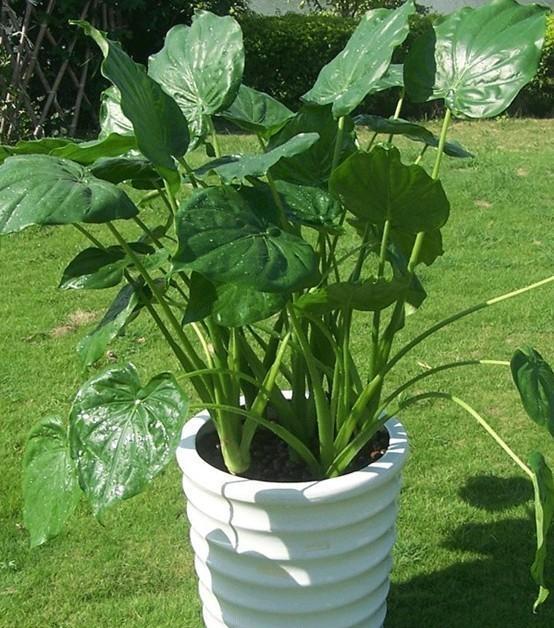
The uses and benefits of Dumb Cane
Dumb Cane pairs very well with the strongly cultural East Asian style and with the luxurious, grand American resort style. Therefore, placing Dumb Cane in a room not only symbolizes the vitality of marriage, but also produces fresh oxygen, which is greatly beneficial to health.
The green leaves of Dumb Cane can absorb carbon dioxide from the air and release oxygen at the same time; Dumb Cane has the effect of removing dust from the air.
But note that the white sap inside the stem of Dumb Cane is toxic, and the water it drips is also toxic. Accidentally touching or eating its sap will cause discomfort in the throat and mouth and a burning pain in the stomach. Special care should be taken to prevent young children from eating it by mistake.
Dumb Cane has the functions of clearing heat and detoxifying; promoting qi and relieving pain; and dissipating nodules and reducing swelling. Dumb Cane can also treat miasmic malaria, acute vomiting and diarrhea, leukorrhea with reddish discharge, carbuncles and toxic swellings, atrophic rhinitis, typhoid fever, rheumatic pain, hernia, scrofula, boils, scabies and ringworm, and snake and dog bites, among others.
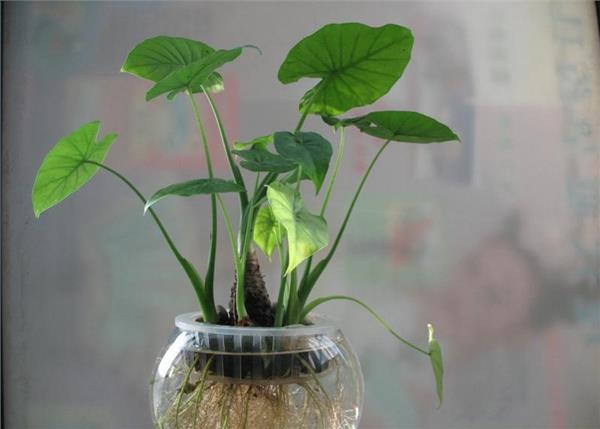
Because the leaves of Dumb Cane are very large, it is very eye-catching when placed in a room, and using it to adjust color and set off the home atmosphere is a very good choice.
This kind of ornamental plant is often used as the background of a home "picture", so without much thought we also know that a plant with such a strong presence as Dumb Cane is very suitable for setting off a grand home background, so the Chinese style is also quite suitable for placing Dumb Cane.
Those who place green plants in the home should note that they cannot place ones with pointed leaves, which in feng shui is said to bring financial loss; if you want to place them, please tie them with red ribbons. At flower markets, many trees are tied with red ribbons or hung with many small red lanterns, all of which serve to make up for the feng shui of financial loss. It is better to place plants with round leaves at home, and the bigger and thicker the leaves the better, like Dumb Cane. The wealth position is the diagonal corner from the living room entrance, and this is something you must pay attention to: do not put hydroponic plants there. Water will dissolve away the wealth. Place some money trees, rubber trees. They must be soil-grown.
Is Dumb Cane toxic?
The toxicity of Dumb Cane shows in every aspect: inside the stem of Dumb Cane, and the water dripped by Dumb Cane, are all toxic.
Touching it will cause skin allergies, itching and redness; eating it will trigger a series of discomforts from the throat to the stomach, causing pain. So if there are small children in the home, be careful not to keep Dumb Cane!
The toxicity of Dumb Cane mainly comes from the chemical component calcium oxalate in Dumb Cane; because calcium oxalate is toxic, Dumb Cane is toxic.
In records in ancient Chinese herbal medicine books, it is specifically mentioned that Dumb Cane must not be eaten raw, otherwise it will cause poisoning, swelling of the mouth and tongue, and even death by suffocation. So the danger level is still quite high.
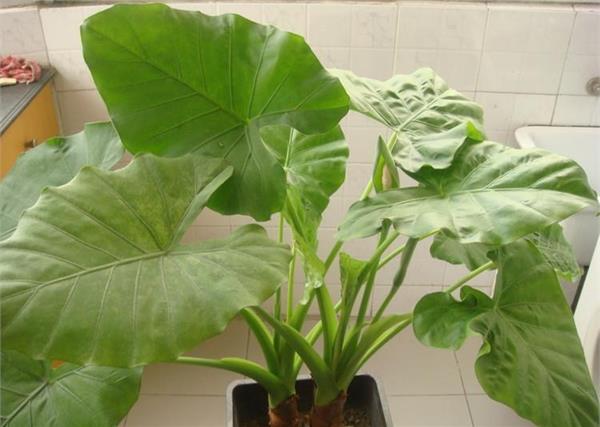
The main use of Dumb Cane is ornamental; for purifying air it is not as good as plants such as snake plant, ivy and aloe. Moreover, the sap of Dumb Cane is toxic. If a person eats it by mistake, they will be poisoned and need to be sent to hospital for treatment. In addition, the uses of Dumb Cane also include purifying air; its leaves are large, so the amount of oxygen it releases is also large, making it a natural little oxygen bar.