A Complete Guide to Recommended Plants for Purifying Indoor Air
Air pollution is now seriously affecting our daily lives, so many people place green plants that can purify the air in their homes, offices and other indoor spaces. So, what are the most common green air-purifying plants in your life?
1. Clivia
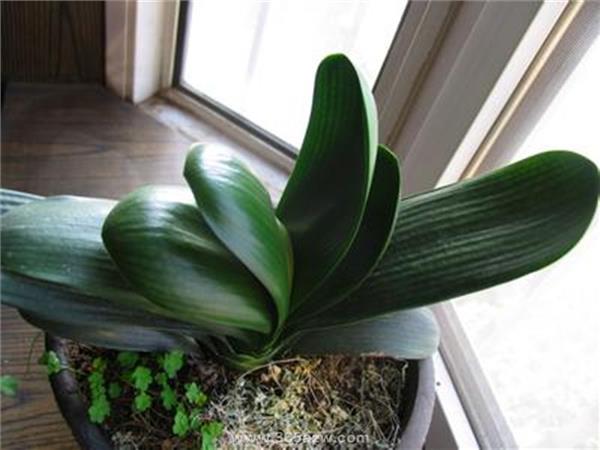
A mature clivia (Clivia miniata) can absorb 1 liter of air and release 80% oxygen in a single day and night, and it can carry out photosynthesis even in extremely weak light. It does not release carbon dioxide at night (open to debate), and in a room of just over ten sq m, two or three pots of clivia can absorb the smoke indoors. This is especially true in the cold northern winter, when doors and windows are kept tightly closed and indoor air does not circulate; clivia does an excellent job of regulating the air and keeping indoor air fresh.
2. African Jasmine
The volatile oils it produces have a significant sterilizing effect; they can help people relax, promote sleep and also improve work efficiency.
3. Peace Lily
It suppresses waste gases exhaled by the human body, such as ammonia and acetone. It can also filter benzene, trichloroethylene and formaldehyde from the air. Its high transpiration rate helps prevent the nasal mucosa from drying out, greatly reducing the likelihood of illness.
4. Aglaonema (Chinese Evergreen)
It is famous for its unique air-purifying ability: the higher the concentration of pollutants in the air, the better it performs, which makes it ideal for dark rooms with poor ventilation.
5. Maidenhair Fern
It can absorb about 20 micrograms of formaldehyde per hour, which is why it is considered the most effective biological "purifier." People who work with paint and coatings all day, or who live with someone who smokes, should place at least one pot of fern in their workplace. It can also suppress xylene and toluene released by computer monitors and printers.

6. Schefflera (Umbrella Tree)
It brings fresh air to households with smokers. Its leaves can absorb nicotine and other harmful substances from smoke-filled air and convert them through photosynthesis into harmless substances of the plant's own. It can also lower formaldehyde concentration by about 9 milligrams per hour.
7. Spider Plant
It can absorb 95% of the carbon monoxide and 85% of the formaldehyde in the air. Spider plants can carry out photosynthesis in weak light and absorb toxic and harmful gases from the air; one pot of spider plant in a room of 8-10 sq m is equivalent to an air purifier. Generally, keeping 1-2 pots of spider plant in a room can release oxygen 24 hours a day while absorbing formaldehyde, styrene, carbon monoxide, carbon dioxide and other carcinogenic substances from the air. Spider plants are especially strong at absorbing certain harmful substances - for example, the carbon monoxide and formaldehyde mixed in the air, at 95% and 85% respectively; spider plants can also break down benzene and absorb relatively stable harmful substances such as nicotine in cigarette smoke; that is why the spider plant is also called the green purifier of indoor air.
8. Aloe Vera
One pot of aloe is equivalent to nine biological air cleaners. Potted aloe enjoys a reputation as an air-purification expert. One pot of aloe equals nine biological air cleaners and can absorb harmful substances such as formaldehyde, carbon dioxide, sulfur dioxide and carbon monoxide, with an especially strong ability to absorb formaldehyde; under 4 hours of light, one pot of aloe can eliminate 90% of the formaldehyde in one sq m of air, and it can also kill harmful microorganisms in the air and absorb dust, playing a major role in purifying the home environment. When harmful air indoors is too high, spots will appear on the aloe leaves. This is a distress signal; simply add a few more pots of aloe indoors and indoor air quality will return to normal.
9. Monstera (Swiss Cheese Plant)
It absorbs carbon dioxide at night and improves air quality. Monstera's air-purifying function is slightly weaker; it is not the all-rounder that spider plants and aloe are. But monstera is quite effective at removing formaldehyde from the air; in addition, monstera has the ability to absorb carbon dioxide at night, which greatly helps improve indoor air quality and raise oxygen levels; along with its generally larger size, elegant shape and relatively open, attractive leaves, it makes a very ideal indoor plant. The fruit of monstera can be cooked once ripe, with a fragrance like pineapple or banana.
10. English Ivy
The champion of formaldehyde absorption. English ivy is currently the most effective indoor plant for absorbing formaldehyde; the leaves of each sq m of English ivy can absorb 1.48 milligrams of formaldehyde, and the total leaf area of 2 mature English ivy plants is about 0.78 sq m; English ivy can also absorb benzene, a toxic and harmful substance, absorbing 90% of indoor benzene under 24 hours of light. It is estimated that for a room of 10 sq m, placing just 2-3 pots of English ivy is enough to purify the air; it can also absorb fine dust particles.

11. Rubber Plant
An all-rounder at eliminating harmful substances. The rubber plant is an all-rounder at eliminating harmful substances and has a certain resistance to harmful gases in the air such as carbon monoxide, carbon dioxide and hydrogen fluoride. The rubber plant can also eliminate inhalable particulate pollution and effectively trap indoor dust.
12. Asparagus Fern
A protective umbrella that eliminates bacteria and viruses. The plant fragrance contained in asparagus fern has antibacterial components and can remove bacteria and viruses from the air, with health-promoting functions, so the scent released by asparagus fern has the power to sterilize and benefit beneficial bacteria. In addition, asparagus fern has high medicinal value: dig up its fleshy roots, wash off the dirt and grime, dry them for later use or use them fresh; the leaf-like branches can be harvested as needed; all have the effects of relieving cough, moistening the lungs, cooling the blood and detoxifying.
13. Broadleaf Lady Palm
It eliminates heavy metal pollution and carbon dioxide. The function of broadleaf lady palm is similar to that of monstera; both belong to the large-leaf ornamental plants, and broadleaf lady palm can absorb more than 80% of various harmful gases and purify the air. Broadleaf lady palm can also eliminate heavy metal pollution and has a certain resistance to sulfur dioxide pollution. Of course, as foliage plants with huge leaves, their greatest feature is the ability to consume carbon dioxide and produce oxygen, which ordinary plants cannot match.
14. Lucky Bamboo
A healthy plant suitable for the bedroom. Lucky bamboo can help improve air quality in rooms that are not often ventilated and has a disinfecting function; especially in the bedroom, lucky bamboo can effectively absorb waste gases, improving the private environment of the bedroom.
15. Money Tree
It counteracts the waste gases produced by burning tobacco. The money tree stays green all year round and can absorb toxic gases and release oxygen through photosynthesis; it can fairly effectively absorb carbon monoxide and carbon dioxide pollution and has a certain effect in countering the waste gases produced by burning tobacco.

16. Pothos
It improves air quality and eliminates harmful substances. Pothos has very strong vitality and a very strong ability to absorb harmful substances, and can help improve air quality in rooms that are not often ventilated; pothos can also eliminate harmful substances such as formaldehyde, with a function no less than that of English ivy or spider plants.
17. Cactus
The best plant for reducing electromagnetic radiation. Cactus has a strong anti-inflammatory and sterilizing effect, and when it comes to pollution, cactus is the best plant for reducing electromagnetic radiation. In addition, cactus absorbs carbon dioxide and releases oxygen at night. Keeping a cactus in the bedroom at night can supplement oxygen and help with sleep.
A friendly reminder: although flowers and plants have such great purifying effects, be careful not to place too many in the bedroom. This is because green plants, when light is insufficient, will take in oxygen and release carbon dioxide just like humans; if poor air circulation then causes carbon dioxide levels to become too high, it can affect human health.
It has a certain resistance to harmful gases in the air such as carbon monoxide, carbon dioxide and hydrogen fluoride. The rubber plant can also eliminate inhalable particulate pollution and effectively trap indoor dust.12. Asparagus Fern
A protective umbrella that eliminates bacteria and viruses. The plant fragrance contained in asparagus fern has antibacterial components and can remove bacteria and viruses from the air, with health-promoting functions, so the scent released by asparagus fern has the power to sterilize and benefit beneficial bacteria. In addition, asparagus fern has high medicinal value: dig up its fleshy roots, wash off the dirt and grime, dry them for later use or use them fresh; the leaf-like branches can be harvested as needed; all have the effects of relieving cough, moistening the lungs, cooling the blood and detoxifying.
13. Broadleaf Lady Palm
It eliminates heavy metal pollution and carbon dioxide. The function of broadleaf lady palm is similar to that of monstera; both belong to the large-leaf ornamental plants, and broadleaf lady palm can absorb more than 80% of various harmful gases and purify the air. Broadleaf lady palm can also eliminate heavy metal pollution and has a certain resistance to sulfur dioxide pollution. Of course, as foliage plants with huge leaves, their greatest feature is the ability to consume carbon dioxide and produce oxygen, which ordinary plants cannot match.
14. Lucky Bamboo
A healthy plant suitable for the bedroom. Lucky bamboo can help improve air quality in rooms that are not often ventilated and has a disinfecting function; especially in the bedroom, lucky bamboo can effectively absorb waste gases, improving the private environment of the bedroom.
15. Money Tree
It counteracts the waste gases produced by burning tobacco. The money tree stays green all year round and can absorb toxic gases and release oxygen through photosynthesis; it can fairly effectively absorb carbon monoxide and carbon dioxide pollution and has a certain effect in countering the waste gases produced by burning tobacco.
16. Pothos
It improves air quality and eliminates harmful substances. Pothos has very strong vitality and a very strong ability to absorb harmful substances, and can help improve air quality in rooms that are not often ventilated; pothos can also eliminate harmful substances such as formaldehyde, with a function no less than that of English ivy or spider plants.
17. Cactus
The best plant for reducing electromagnetic radiation. Cactus has a strong anti-inflammatory and sterilizing effect, and when it comes to pollution, cactus is the best plant for reducing electromagnetic radiation. In addition, cactus absorbs carbon dioxide and releases oxygen at night. Keeping a cactus in the bedroom at night can supplement oxygen and help with sleep.
A friendly reminder: although flowers and plants have such great purifying effects, be careful not to place too many in the bedroom. This is because green plants, when light is insufficient, will take in oxygen and release carbon dioxide just like humans; if poor air circulation then causes carbon dioxide levels to become too high, it can affect human health.