How to Grow Ivy: Requirements for Growing Ivy
In summer, when it gets hot at home, some people like to grow climbing plants outside to block some of the sunlight, so that the indoor temperature is not so hot. On the contrary, because air conditioning is not used directly, the indoor temperature is actually cooler. In addition, green plants climbing up the wall give people a sense of comfort, so many people like to grow some plants outside their homes to experience this. Among the many options, is there a climbing plant that is simple and easy to keep alive? Today I will introduce ivy to you, and explain in detail how to grow this climbing plant, ivy.
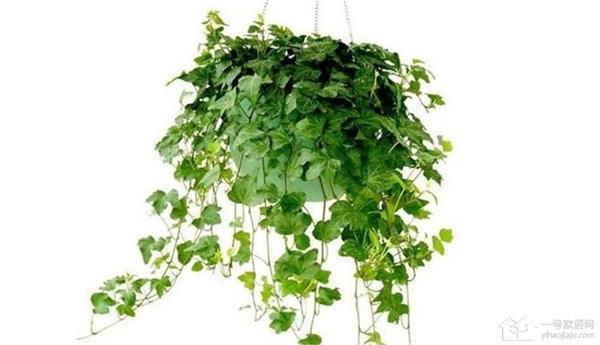
Soil
Ivy is not strict about soil, tolerates poor soil, and prefers moist, loose, fertile sandy soil; it dislikes saline-alkaline soil. Generally, fertile loose soil is mostly used as the potting medium, such as equal parts of garden soil and leaf mold mixed together. It can also be made from leaf mold, peat soil, and fine sandy soil with a small amount of base fertilizer, or from garden soil, about 1/4 plant ash, and a small amount of base fertilizer. Plant ash can both keep the potting soil loose and breathable and provide relatively more potassium fertilizer to meet the growth needs of ivy. It can also be grown in sphagnum moss alone.
Light
Ivy is a typical shade-loving vine flower and tree. It tolerates shade and moisture, and can also grow in a full-light environment. It can be grown indoors in a bright room for a long time. In a dark room, as long as it is supplemented with light, it can also grow well. It grows well under warm and humid climate conditions, and is not cold-tolerant.
In spring, when branches and leaves sprout in large numbers, whether variegated or green-leaved, they should be placed in sunlight to receive sufficient light, so that the branches and leaves that grow out will be lush and sturdy. At ordinary times, it should be placed under diffused light so that the leaf color is dark green and glossy. In a shaded environment, the leaf color of variegated varieties is even more beautiful. In the severe summer heat, it must be placed in a cool and ventilated place.
Watering
The plum rain season and high summer temperatures are when you need to be most careful. For ivy placed outdoors during the plum rain season, as soon as there is accumulated water in the pot, it should be poured out in time, so as to avoid the roots being soaked for a long time and rotting. In summer, the ambient temperature is high, which is unfavorable to the growth of ivy; growth stalls above 30°C, so it is advisable to use more leaf-surface spraying and watering. Insufficient water makes the base of the plant prone to leaf drop; too much watering easily causes root rot. You can choose to water in the early morning or evening, so as to avoid a large difference between soil temperature and water temperature, which causes the root system to suffer stress and injury, ultimately leading to the plant withering and dying.
In winter, place it in a greenhouse to overwinter. The indoor air humidity should be maintained and it should not be too dry, but the potting soil should not be too wet.
Fertilizing
During the seedling stage, water and fertilizer management should be strengthened to speed up growth. During the growing season, especially in spring and autumn, liquid fertilizer can be applied once every 2 weeks, or granular chemical fertilizer once a month. At the same time, note that the ratio of nitrogen, phosphorus, and potassium in the fertilizer should be 1:1:1. The nitrogen proportion must not be too high, so as to avoid the variegated leaves turning green. During the plant's growth process, attention should be paid to pruning to encourage more branching and make the plant shape fuller. For column potted plants, they should be pruned and pinched back frequently.
From the introduction, we can see that growing and maintaining ivy is relatively simple compared with other plants, and it does not take too much time to care for. It is most suitable for people who do not have enough time or who are usually lazy. It has very good ornamental value and looks elegant and refined, making it an ideal plant in everyone's mind. Especially in summer, it has a good shielding effect in isolating some insects. Friends who like to grow some climbing plants at home may want to consider trying it.