Is the begonia flower poisonous, and can it be kept indoors?
The begonia flower is delicate and beautiful, and it has long enjoyed the reputation of "national beauty"; placed at home it is also a bright scenery. But many people believe the begonia flower is poisonous and unsuitable for keeping at home. So, is the begonia flower poisonous?
Is the begonia flower poisonous?
Poisonous.
The begonia flower has an elegant posture and blooms like brocade; since ancient times it has been a famous flower appreciated by both refined and popular tastes, long known as the immortal among flowers, the imperial consort among flowers, and the noble among flowers. In royal gardens it is often planted together with yulan magnolia, peony and osmanthus to form the imagery of "jade hall wealth and honor". Begonia flowers are planted along both sides of pedestrian walkways, around pavilions, at the edges of groves, and by watersides and pond banks. The begonia flower is a material for making bonsai, and cut branches can be used for vase arrangements and other decorations. The begonia flower has strong resistance to sulfur dioxide and is suitable for urban street green spaces and mining area greening. Even so, the begonia flower is actually still poisonous.
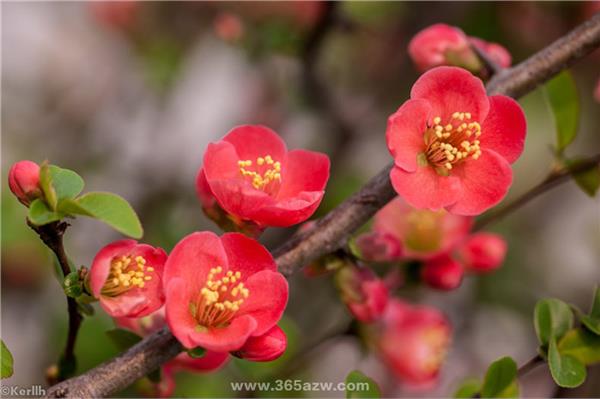
The begonia flower is slightly poisonous and can cause symptoms such as skin itching, vomiting, diarrhea, sore and swollen throat, and difficulty breathing. Especially the begonia genus (Begonia), it is best to move it outside at night. In fact, the toxicity of the begonia flower is mostly in the stem sap, roots, leaves and flowers, but as long as it is not eaten, the human body cannot take in the toxicity. Even if the begonia flower is poisonous, if it is only used for viewing it will not cause any harm to the human body.
Planting flowers and growing grass can purify the air and regulate temperature. Of course, some poisonous plants produce toxic substances, especially allergenic pollen, and even harmful volatile gases. But this does not mean they are necessarily poisonous; just like ultraviolet light, excessive amounts can cause skin cancer but a moderate amount of ultraviolet exposure is beneficial to the human body. The same is true of flowers and plants: as long as the amount is moderate there is no problem, and wax begonia does not release excessive harmful substances.
Can a family with a pregnant woman keep begonia flowers?
Begonia flowers are planted along both sides of pedestrian walkways, beside pavilions, at the edges of groves, and by watersides and pond banks. The begonia flower is a material for making bonsai, and cut branches can be used for vase arrangements and other decorations. The begonia flower has strong resistance to sulfur dioxide and is suitable for urban street green spaces and mining area greening. In addition, some begonia fruits can be eaten and used medicinally. The flowers contain nectar and are very good nectar-source plants.
The begonia tree has a graceful posture and beautiful spring flowers; after autumn arrives the tree is full of golden fruits with a refreshing fragrance. It is suitable for planting alone in front of and behind a courtyard, planted in pairs at the entrance of a hall, planted in clumps at the corners of lawns, or planted together with other flowers and trees. It can also be dwarfed for pot cultivation. The fruit can be used as food after steaming and sugaring, and can also be used medicinally.
Malus micromalus, Malus halliana, Chaenomeles speciosa and Chaenomeles sinensis all belong to the Rosaceae family and are all non-toxic, so a pregnant woman's home can plant them with peace of mind. However, note that there is a plant called iron begonia, also known as crown-of-thorns, which is a vine-like thorny plant of the Euphorbiaceae family. This flower is a horticultural hybrid of the crown-of-thorns and the whole plant is poisonous, with the milky sap being strongly toxic. Accidental ingestion will cause symptoms of vomiting and diarrhea. Therefore, this flower is not suitable for indoor cultivation.
Because there are many kinds of begonia flowers, choosing only the non-toxic and harmless begonia flower for cultivation poses little hindrance to a pregnant woman and can even help promote the pregnant woman's physical and mental health.
Can a family with a baby keep begonia flowers?
Keep them with caution.
Although the begonia flower is slightly poisonous, those who like begonia flowers can still cultivate them even if there is a baby at home.
Begonia contains sugars, multiple vitamins and organic acids, which can help supplement the body's intracellular fluid, thus having the effect of promoting salivation and quenching thirst; strengthening the spleen and opening the appetite: the fruit of begonia is relatively rich in vitamins, organic acids and protein, and can help the stomach and intestines digest food and drink, so it can be used to treat symptoms of indigestion, food accumulation and abdominal distension; begonia tastes sweet and slightly sour; sweet can moderate the middle, sour can astringe, and it has the functions of astringing and stopping diarrhea, and harmonizing the middle and stopping dysentery, and can treat conditions such as diarrhea and dysentery, and loose stools; begonia contains a large amount of nutrients essential to the human body, such as sugars, multiple vitamins and organic acids, which can supply the human body with nutrients and improve the body's immunity. Therefore, even though the begonia flower is poisonous, its effects and benefits still cannot be ignored.
Planting flowers and growing grass can purify the air and regulate temperature. In fact, the vast majority of plants in nature are harmless to the human body as long as they are not eaten, and begonia flowers do not release excessive harmful substances. But when growing begonia flowers, it is best to move them outside at night and not keep them indoors.
Historical allusions of the begonia flower
The begonia flower is famous and is an outstanding subject under the pens of many poets and literati, and is known as the immortal among flowers and the imperial consort among flowers. The great poet Su Shi's famous lines "I only fear that in the deep night the flower will fall asleep, so I burn tall candles to light up the red makeup" make people even more imaginative.
1. The begonia flower has an elegant posture and blooms like brocade; since ancient times it has been a famous flower appreciated by both refined and popular tastes, long known as the immortal among flowers, the imperial consort among flowers, and the noble among flowers. In royal gardens it is often planted together with yulan magnolia, peony and osmanthus, forming the imagery of "jade hall wealth and honor". In addition, the begonia flower is also called the heartbreak flower and the homesickness grass. It symbolizes a traveler's homesickness and expresses the sorrow of parting. Also, because it is charming and moving, and after rain its delicate fragrance still remains, and its flowery brilliance is hard to describe, it is also used as a metaphor for a beauty.
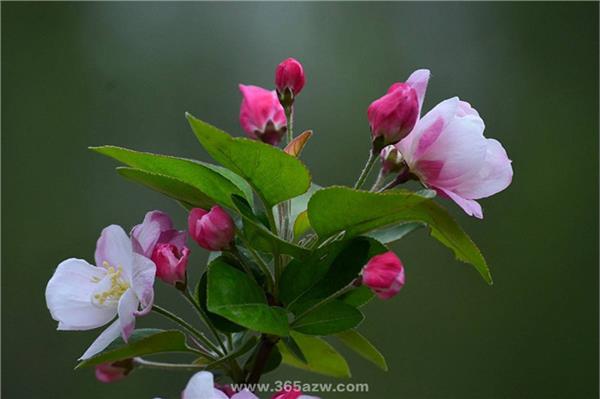
2. The Southern Song poet Lu You wrote in a poem: "Though gorgeous, it has no vulgar bearing; the supreme sovereign is truly rich and noble." This describes the begonia as gorgeous, beautiful and elegant. In another poem by Lu You: "Scarlet red and parrot green are extremely heavenly in skill; layered calyxes and doubled receptacles dazzle the morning sun." This describes the image of the begonia flower's bright red blossoms and green leaves, and its lush flowers contending in brilliance with the morning sun.
3. It is recorded in Lengzhai Yeyu by the Song monk Huihong. Emperor Ming of Tang ascended the Fragrance Pavilion. He summoned Consort Taizhen. At that time she was still drunk from the mao hour and had not awakened. He ordered Gao Lishi to have a waiting maid support her and bring her over. The consort's drunken face had faded makeup, shili yao sheng wang, her hair was in disarray and her hairpins were askew, and she could no longer bow. Emperor Ming laughed and said: "How could the consort be drunk? It must simply be that the begonia has not slept enough!" This is the origin of the allusion of "begonia sleeping in spring".