Precautions for Transplanting Camphor Trees and Management Methods for Camphor Tree Transplantation
Transplanting camphor trees generally refers to a process of more than one transplant, dug up from seedling stock and planted again in the ground, commonly known as transplanted camphor. Transplanted camphor trees are generally over 10 cm, with 20-60 cm transplanted camphor being relatively common.
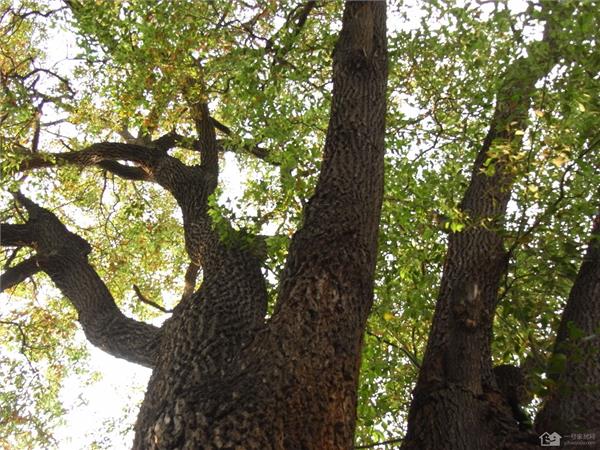
Prices of Transplanted Camphor
Skeleton transplanted camphor tree with a diameter at breast height of 18-20 cm price: 1400.00 yuan
Skeleton transplanted camphor tree with a diameter at breast height of 26-27 cm price: 2300.00 yuan
Transplanted camphor tree with a diameter at breast height of 30 cm price: 3800.00 yuan
The main factor affecting the price of transplanted camphor on the market is the size of the diameter at breast height of the transplanted camphor.
Precautions for Transplanting Camphor
First: prune the crown and remove leaves, and try to keep the camphor adequately supplied with moisture.
Second: when transplanting with a soil ball, make the soil ball as large as possible, wrap it firmly with straw rope to secure the soil, and wrap it with shade cloth so the soil ball does not break apart. When digging it up, ensure the mud ball is round and intact, and cut and retain as many effective roots as possible. The soil ball dug up should also be determined according to the degree of root development and the nature of the soil.
Third: keep it warm. You can wrap the camphor trunk with straw rope; generally the straw rope should be wound up to the third-level branch, then wrap it with film, which can effectively keep the camphor tree warm.
Fourth: the planting method must be scientific, with moderate depth, and it must be planted firmly. No gaps may be left under the soil ball. It is best to also cover the top of the soil ball with film to prevent freezing damage when heavy snow comes. If it is windy, support frames should also be used for reinforcement.
Fifth: when transplanting camphor, you should grasp the timing and weather well, because after transplanting camphor you should pay attention to watering. Watering should follow the principle of "do not water if not dry, water thoroughly when watering." If the temperature is too low, methods such as covering the ground with grass, covering the crown with film, and wrapping the trunk with rice straw (in places with strong wind and relatively low temperatures, film should be tied on top of the rice straw wrapping) should be adopted to maintain soil temperature and prevent cold damage.
Management Methods for Transplanting Camphor
1. After newly planted trees are watered thoroughly for the first time, depending on weather conditions, adopt the principle of "do not water if not dry, water when dry and let it dry between waterings," and strictly prohibit the tree basin from being in a waterlogged state for a long time.
2. After entering summer, spray water every day on the trunk wrapped with straw rope, so that the straw rope remains moist at all times, to ensure the trunk is kept moist and cool.
3. For a small number of key locations and important trees, key protection measures should be taken, that is, set up shade netting above the crown to lower the temperature of the micro-environment, reduce water evaporation, and create an environment conducive to the recovery and growth of newly planted trees.
4. If there is a high groundwater level and the soil pH is on the high side, some newly planted trees may show yellowing of the leaves. In this case, first improve drainage measures to lower the groundwater level; in addition, a 0.5% to 0.1% ferrous sulfate solution can also be used for appropriate irrigation.
The above is the relevant introduction in this article. I believe that after reading it, you also have a simple understanding of this. If needed, you can continue to follow No.1 Home Network to learn more information.