What are the benefits and effects of hops
Hops, also known as hop and common hop, is a perennial herbaceous climbing plant. The hop vine grows more than 6m long, is densely covered with fine hairs throughout, and has backward-pointing prickles. The leaves are opposite, papery, ovate or palmate, 3-5 lobed, with coarse serrated edges. It is native to Europe, the Americas and Asia. It can be used for brewing beer and for medicinal purposes.
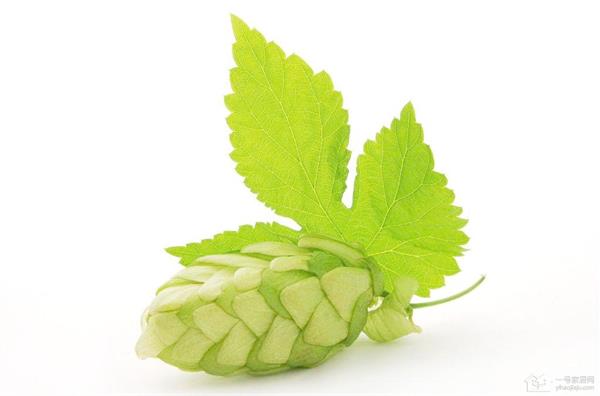
The edible value of hops
Hops are the raw material for brewing beer. In beer brewing, hops play an irreplaceable role:
1. It gives beer a refreshing aroma, bitterness and preservative power. The aroma of hops and the fresh fragrance of malt give beer a subtle flavor. Beer, coffee and tea all win with aroma and bitterness, and this is also where the charm of these beverages lies. Hops themselves are a natural preservative; while giving beer a special aroma, they also extend the shelf life of beer.
2. It forms excellent beer foam. Beer foam is a complex of isohumulone from hops and foam-positive proteins from malt. Excellent hops and malt can brew a white, delicate, abundant beer foam that clings to the glass for a long time.
3. It helps clarify the wort. During the wort boiling process, the addition of hops can complex and precipitate the proteins in the wort, thereby clarifying the wort and brewing a clear, pure beer.
4. The strong hop flavor of hops can balance the natural sweetness of the wort and stimulate the appetite. Primitive beer tasted rather sweet because honey or dates were added, but such beer was not very thirst-quenching, which is why beer brewed with hops became very popular throughout the Middle Ages.
The medicinal value of hops
Chemical composition: It contains resins, including humulone, isohumulone, lupulone, etc.; it contains volatile oils, including myrcene, humulene, linalool, luparol, etc. In addition, it also contains tannins, flavonoids, choline, fructose, sucrose, glucose, etc.
The lupulone it contains has an inhibitory effect on Mycobacterium tuberculosis, Staphylococcus aureus, Bacillus subtilis, etc., has a therapeutic effect on experimental atherosclerosis changes in rabbits, and causes a mild decrease in blood pressure. The extract has a sedative and hypnotic effect on the central nervous system.
Effects: treating leprosy, treating pulmonary tuberculosis, treating silicosis, treating lymph node tuberculosis, treating dysentery. It strengthens the stomach and aids digestion, promotes urination and calms the mind. It treats indigestion, abdominal bloating, edema, cystitis, pulmonary tuberculosis, and insomnia.
The above is the related introduction in this article. I believe that after reading it, you also have a simple understanding of it. If needed, you can continue to follow No.1 Home Network to learn more information.