Reasons for the formation of kumquat flowers and cultivation and pruning methods
Those who grow small potted kumquats at home will notice that kumquat flowers are relatively small in form, and the color of kumquat flowers is white, with a slight fragrance when smelled, though the scent is delicate and elegant, dotted with a bit of yellow flower stamens in the middle, truly beautiful. Some people may say, why don't the kumquat flowers on my potted plant bloom? Perhaps it is affected by environmental factors in the home. Because kumquat flowers need to be pollinated, generally large areas of kumquat flowers can be pollinated by wind or bees. To put it more scientifically, kumquat flowers are monoecious and need pollination.
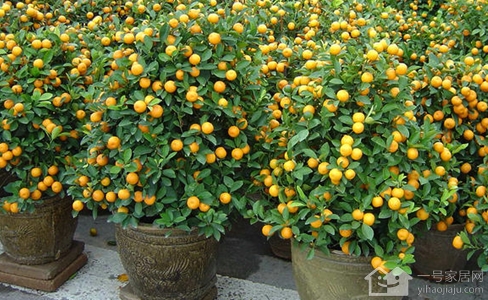
Formation of kumquat flowers
Kumquat is an ornamental plant that everyone relatively likes. Not only can it be enjoyed during its 8 periods from June to August each year, but when the kumquat bears fruit in November or December, the golden fruits are also a unique scenic line to enjoy. Kumquat itself grows in the relatively warm southern regions. Kumquat flowers like sunlight and like warm zones, and cannot withstand severe cold and chilly climates. Kumquat is relatively suitable for planting in loose and fertile soil.
Cultivation of kumquat flowers
After kumquat is pruned, it needs to be fertilized to supplement nutrients. With appropriate temperature and sufficient fertilizer, it is conducive to the kumquat sprouting more, thus forming flower buds at more points, and the fruit set will be greater. Watering kumquat also has its particularities. In order to prevent the leaves from wilting and from dying due to excessive lack of water, a small amount of water should be sprayed on the leaf surfaces every morning and evening, and a little water can be poured into the pot at noon. One point everyone needs to note here is that whenever the kumquat flowers bloom into small flowers that are slightly whitish, it indicates that the flower buds of the kumquat flowers have already formed. At this time, the daily watering amount should be restored in time, and fertilization should also be added, so that it will bloom.
Pruning of kumquat flowers
When spring comes, all things revive, the temperature rises, and the kumquat will grow relatively fast. At this time, appropriate pruning must be carried out to avoid the branches and leaves growing too vigorously and affecting the blooming of kumquat flowers. Usually, pruning can be adjusted according to the sturdiness of the main trunk, so as to achieve more shoots on each main branch and lay a good foundation for the blooming of kumquat flowers.
The flowers and leaves of kumquat can be harvested, then dried in the sun, and have the effects of soothing the liver and relieving depression, promoting appetite, and treating hiccups. Small kumquats can be eaten, and the peel and seeds also have certain medicinal value. Kumquat peel can treat chest tightness and stagnation, and kumquat seeds have a certain effect in treating hernia.
The above is the relevant introduction of this article. I believe that after reading it, you also have a simple understanding of this. If needed, you can continue to follow No. 1 Home Network to learn more information.