How to Grow Tetrapanax papyrifer (Rice-paper Plant) and Pest Control Tips
Tetrapanax papyrifer, also known as the rice-paper plant, tongtuomu or tongcao, is a shrub or small tree belonging to the Araliaceae family. In fact, Tetrapanax papyrifer originally comes from South China and the Taiwan region, and it is generally used to make xuan paper, while the pith of its stem can be used to make watercolor paper and surgical dressings. Tetrapanax papyrifer is also a perennial parasitic herbaceous plant, generally reaching 60 to 100 cm in height. We all know that different plants have their own unique cultivation techniques, so let the editor take you through the cultivation techniques of Tetrapanax papyrifer below.
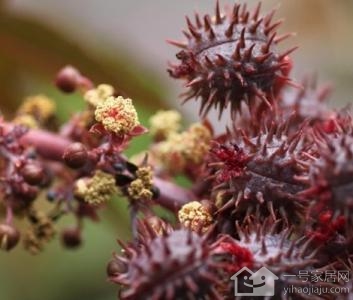
I. Growing environment requirements
It grows under forests rich in humus and moist, and also occurs in sunny shrublands and grassy slopes. It must live symbiotically with the fungi Armillaria mellea (honey fungus) of the Tricholomataceae family and Mycena purpureofusca (purple-brown bonnet) in order for the seeds to germinate, form round tubers, and grow into healthy Gastrodia elata tubers. Mycena purpureofusca provides nutrients for seed germination, and Armillaria mellea provides nutrients for the protocorm to grow into Gastrodia elata tubers.
II. Selection of the planting site
It is best to choose a gently sloping field or valley ditch with partial shade and partial sun that is rich in organic matter. The soil should be loose loam, well-drained sandy loam or sandy soil, with virgin land being especially good. A soil pH of 5 to 6 is suitable. Avoid clay soil and waterlogged low-lying land, and avoid continuous cropping.
III. How to select seeds
It can be used for both limited propagation and unlimited propagation. When selecting seed tubers, choose Gastrodia elata dug up in the same year, remove the commercial tubers, select all the seed tubers and then screen them again, discarding rotten tubers, deformed tubers and other inferior seed tubers, and finally determine those with comparable size, robustness, neat appearance, large size, good color and no wounds as the seed tubers to be used the following year.
IV. Management after planting
After planting, no fertilizer is needed, and there is no need to loosen the soil or weed; keep it in a wild state. The soil moisture content should often be kept at around 40%, and the ground temperature at 15-28 degrees. During the rhizome expansion period, spray a Yaocai Gendaling solution on the leaf surface, which can promote the transport of leaf photosynthetic products (nutrients) to the root system, improve the nutrient conversion rate and soil-loosening capacity, make the rhizome expand rapidly, and greatly increase the content of active substances. In the high-temperature summer season, use shade nets or branches to shade and cool the plants, and prevent trampling by people and livestock.
V. Pest control
The main disease of Tetrapanax papyrifer is root rot. There are two causes of root rot: first, infection by miscellaneous fungi causes the roots to rot; second, excessive rain during the growing period causes the roots to rot. Control methods: choose well-drained land to plant Tetrapanax papyrifer. The fungal wood material must not be infected with miscellaneous fungi, and the gaps between the fungal wood material must be filled well. Always pay attention to drainage. Spray targeted drugs + Xin Gao Zhi Mo 800-fold solution to kill the pathogens. The main pests are white grubs and mole crickets. Spray targeted drugs to kill them or use light traps to kill the adults.
Alright, the above is a detailed explanation of the cultivation techniques for Tetrapanax papyrifer. Many friends may know very little about Tetrapanax papyrifer, or may even have never seen it. In fact, friends who have lived in the countryside or visited the suburbs should have seen this plant, but simply did not know that it was Tetrapanax papyrifer. Every plant has its corresponding cultivation techniques and needs specific temperature, humidity, light and so on. If you plant it without understanding the cultivation techniques of Tetrapanax papyrifer, it may take some time to figure out its cultivation techniques.