How do you grow flowering plants? These two methods teach you how to cultivate them correctly
There are many kinds of flowering plants. The common one is Bougainvillea, which loves sunlight very much and is suitable for everyday cultivation. A highly ornamental flowering plant is Lagerstroemia indica (crape myrtle); its flowering period is very long, usually blooming in June and not withering until September. Like Bougainvillea, crape myrtle also loves sunlight very much and does not have good cold tolerance, so we must pay attention to its cultivation climate. Next, we will introduce how to correctly cultivate flowering plants so that the flowers become full and vivid!
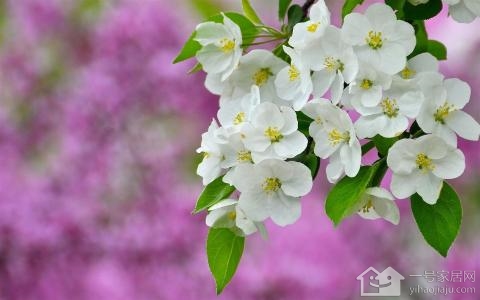
Cultivation requirements for flowering plants
1. Soil: Flowering plants are not very strict about soil. Of course, if the chosen soil is fertile and well-drained, that is best.
2. Sunlight: Flowering plants have high sunlight requirements. It is better to have at least five hours of direct sunlight every day. If there is insufficient light, the flowering period will be delayed.
3. Temperature: The warm south is most suitable; severely cold regions are not.
4. Watering: When cultivating flowering plants, you must wait until new roots have grown before watering them.
5. Potting soil: It is best for it to be moist. If there is too much water, it is prone to rot.
6. Fertilizing: Fertilize three to four times a month. One month before the flowering period, a flower-promoting liquid can be sprayed.
7. Pests: Flowering plants generally have strong adaptability. During management, we do not need to irrigate them, and pests are generally few. From late spring to late summer each year, watch out for pests; spraying insecticide is enough to prevent and control them.
Cultivation method one for flowering plants: growing from seed
1. From April to May, peel the seed coat off the flowering plant seeds and clean the surface.
2. We need to soak the flowering plant seeds in warm water for one day and one night.
3. Sow on the chosen land, spread the seeds evenly, and then cover them with fine sandy soil.
4. After half a month, the flowering plant seeds will sprout. When the plants have grown two leaves, we can transplant them, and they will bloom that year or the next year.
Cultivation method two for flowering plants: growing from tubers
1. The tubers of flowering plants generally begin to reproduce in March or April. At this time, we need to cut them into chunks. Each piece of rhizome needs to retain about three new buds, and the new buds must have fibrous roots attached. Then plant them in soil at a depth of about 10 cm, with a distance of 40-50 cm between each flowering plant, and then water them.
2. When new buds have grown, we can fertilize them, and they can bloom that year.
The above are the cultivation methods for flowering plants. Isn't it very simple? Whether it is Magnolia denudata (white magnolia), Celosia argentea (cockscomb), or Viola tricolor (pansy) and other flowering plants, they can all be planted according to the above methods. Of course, when planting, you must pay attention: flowering plants have very high requirements for sunlight and weather. If there is continuous heavy rain for many days, be sure to use protective netting to cover and protect the flowering plants you have planted early, otherwise one rainstorm could waste a whole year of hard work.