Spider Plant Care Guide: Growing Methods and Precautions Explained
We all know that spider plants have an super strong ability to absorb harmful gases. If it is a newly renovated home, owners are generally advised to place several pots of spider plants in the home to purify indoor air and absorb formaldehyde released by furniture and other items. In fact, as long as we care for them diligently, keeping them healthy is very simple.
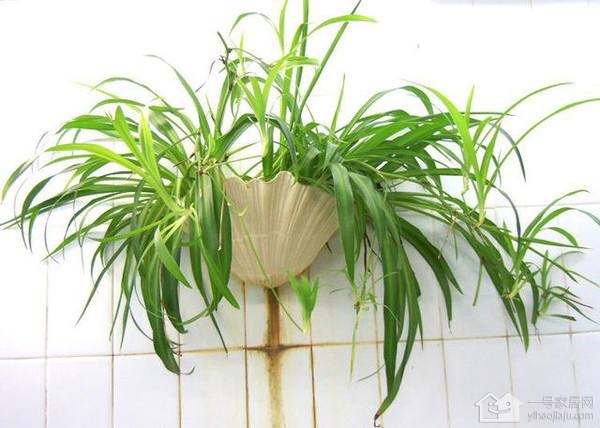
I. Introduction to the Spider Plant
The spider plant, commonly known as tufted bracket plant, originated in Africa and is now cultivated all over the world, while Europeans call it spider grass or airplane grass. The most distinctive feature of the spider plant is that mature plants periodically send out new stems, and the new stems in turn produce small plantlets. It prefers a warm, humid, semi-shaded growing environment and is suitable for long-term indoor cultivation.
Spider plants like a warm, humid, semi-shaded environment. They are highly adaptable and relatively drought-tolerant, but not cold-tolerant. Although references say spider plants have strict soil requirements, in practice it has been found that spider plants can basically grow normally in most soils, though they generally grow best in well-drained, loose, fertile sandy soil.
The flowers of the spider plant are mainly white, in clusters of several blooms, looking fresh and lovely, with high ornamental value. It is not strict about light and generally grows well under moderate light conditions, and also tolerates weak light. The optimum growing temperature is 15-25°C, and the wintering temperature is 10°C.
Spider plants have an extremely strong ability to absorb toxic gases. Generally, if 1-2 pots of spider plants are kept in a room, the toxic gases in the air can be almost completely absorbed. According to scientific analysis, spider plants can absorb 95% of the carbon monoxide and 85% of the formaldehyde in the air. Therefore, the spider plant is not only an excellent hanging foliage plant for indoor spaces, but also a good indoor air-purifying flower, which is why it has the fine name of "green purifier."
II. Spider Plant Growing Methods
1. Temperature Control
Spider plants like a warm, humid climate and are not cold-tolerant. They grow fastest at 2024°C, stop growing above 30°C, and their leaves easily turn yellow with dry tips.
2. Light Regulation
When grown outdoors in summer, pay attention to shading so the light is not too strong, otherwise sunscald easily occurs. During the peak growing seasons of spring and autumn, watering should be sufficient, the potting soil should be kept moist at all times, and the leaves and stems should frequently be sprayed with clean water close to room temperature to prevent dry tips, but waterlogging must be avoided.
3. Pruning and Repotting
As the plant grows larger, to maintain a good plant shape, old leaves at the base should be pruned frequently.
4. Pest Control
Spider plants have dense foliage and poor ventilation, making them susceptible to scale insect damage, so prevention should be the priority.
III. Spider Plant Growing Precautions
Spider plants have quite developed root systems. After growing for some time, the pot should be replaced promptly to avoid root accumulation, which can cause yellowing leaves, wilting, and similar problems in spider plants. The picture below shows the root system of a spider plant that has been grown for about half a year. You can see the roots are very developed. If the pot is very small, after a year of growth it may cause yellowing leaves and similar issues.
The above is the relevant introduction in this article. I believe after reading it you now have a simple understanding of this. If needed, you can continue to follow No. 1 Home Network to learn more information.