How to Grow a Lipstick Plant? Sharing 6 Simple Cultivation Techniques
The lipstick plant is not prone to pests and diseases, making it an excellent choice for container growing. The lipstick plant offers both flowers and foliage, making it one of the flowers with great ornamental and cultivation value, and decorating a home balcony or a sunny indoor spot with a lipstick plant is absolutely a wonderful sight. So, what are the cultivation methods and precautions for the lipstick plant? Let's take a look below at what the lipstick plant cultivation techniques are.
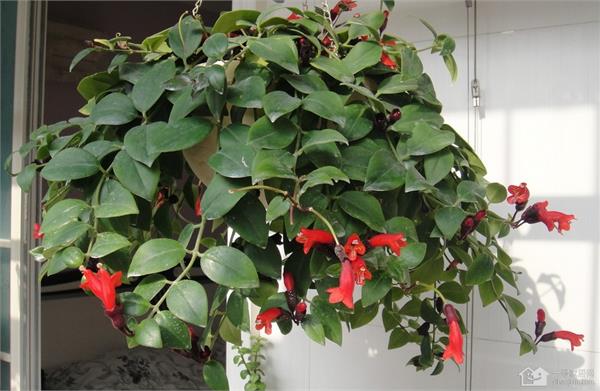
Lipstick Plant Cultivation Techniques
1. Light
The lipstick plant (Aeschynanthus) likes a warm, bright, semi-shaded environment. Insufficient light easily causes leggy stems and poor flowering; too much light turns the leaves reddish-brown. For a lipstick plant kept at home, it is best to hang it about 1 m from a south-facing window.
2. Soil
For the lipstick plant, a loose, fertile sandy loam is best, and drainage must be good. The potting soil should preferably be slightly acidic; a potting mix made from peat soil, sand and vermiculite with an appropriate amount of superphosphate can be used. Light for lipstick plant cultivation: it likes a semi-shaded environment, and except for the strong midday light in midsummer, which should be properly shaded, it should be given sufficient light at other times, especially in winter. If the placement site has light that is too strong or insufficient, the leaves easily turn pale green or yellow-green.
3. Humidity
The lipstick plant should be placed in a cool, ventilated spot, and attention should be paid to maintaining environmental humidity. Continuous high temperature and high humidity should be avoided; poor drainage and ventilation will cause rot. The lipstick plant is not cold-tolerant and needs to be brought indoors to overwinter. The lipstick plant is not strict about air humidity and can adapt as long as the indoor air is not too dry. The suitable growing temperature for the lipstick plant is around 25°C, and the overwintering temperature should be above 12°C. If the leaves are found to turn red, it is either because the light is too strong or the room temperature is too low; the room temperature should be raised in time, because if the room temperature is too low it will cause leaf drop and dry stems. In the cultivation techniques for the lipstick plant, another very important point is to promptly cut off the spent stems that have flowered, which can save nutrients, promote new shoots, and make it produce more buds and flowers. The lipstick plant can be propagated by cuttings. Spring and autumn are the suitable periods. In addition, the price of the lipstick plant is also very affordable; a potted lipstick plant costs about 20-30 yuan, so friends who like growing flowers and plants may consider buying a pot of lipstick plant to take home.
4. Temperature
The lipstick plant should be placed in a cool, ventilated spot, and attention should be paid to maintaining environmental humidity. Continuous high temperature and high humidity should be avoided; poor drainage and ventilation will cause rot. In winter it needs to be brought indoors to overwinter.
5. Watering
The potting soil should often be kept moist, and water must never accumulate in the pot, so as to avoid root rot. From March to September, during the peak growth period, the water requirement is relatively large, so it is necessary to water and mist frequently to increase humidity. In autumn, as the weather gradually turns cooler, the amount of watering and fertilizing should be gradually reduced. In winter, the potting soil should be kept slightly dry:
6. Pruning
During vigorous growth, pinching can be done appropriately to promote branching. After the flowering period in winter, the spent stems that have flowered should be cut off in time, which can save nutrients, promote new shoots, and make it produce more buds and flowers.
The above is the relevant introduction in this article. I believe that after reading it you have also gained a simple understanding of this. If needed, you can continue to follow No.1 Home Network to learn more information.