How to Grow Asparagus Fern at Home and Key Points to Note
Asparagus fern is actually also called cloud-pine or cloud bamboo, and it can grow several meters tall. Let's take a look at how to grow asparagus fern.
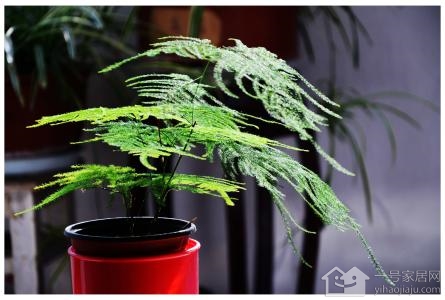
Asparagus fern is an evergreen ornamental plant belonging to the genus Asparagus in the Liliaceae family, originating from Africa. It is a common potted ornamental plant in homes. Asparagus fern is a green climbing plant, with fleshy roots and stems that grow from the stem, relatively soft, and extending straight upward. Like bamboo, it has nodes, symbolizing rising step by step.
Because it resembles a dwarf bamboo but has more elegance and artistic flair than bamboo, ancient scholars and writers called it asparagus fern. What the asparagus fern displays as that luscious green is actually not leaves, but its leaf-like branches, which grow densely and cluster together like feathers, very elegant.
Viewed from a distance, the asparagus fern layers up one level after another, like green clouds, so it is also called cloud-pine or cloud bamboo. Its branches and leaves are lush and well-arranged, so it is rated as the scholar among bamboos. Generally, asparagus fern looks best in its first three years of growth; as it gradually grows larger, it needs proper pruning, and it is mainly grown for its foliage. Moreover, placing asparagus fern in the home not only purifies the air, but its fragrance also has a cough-relieving and lung-moistening effect.
Home Cultivation
1. Potting soil: For cultivating asparagus fern, use fertile sandy loam soil, requiring warmth and moisture, rich in leaf mold, and good drainage. Generally, a mixture of 4 parts garden soil, 2 parts leaf mold, 2 parts compost soil, and 1 part sand can be used, and regular soil replacement and fertilizing should be done.
2. Watering: Watering is the key point in cultivating asparagus fern. Too much water and overly wet soil can easily cause root rot, while too little water will cause leaf tips to dry out and turn yellow.
3. Fertilizing: Asparagus fern does not need much fertilizer, but it cannot go without. Limited by the potting soil, asparagus fern cultivation must timely replenish nutrients to meet its growth requirements. When fertilizing asparagus fern, apply frequently but in small amounts, and never apply concentrated fertilizer, otherwise it will cause yellow leaves.
4. Light: Asparagus fern must not be exposed to blazing sun. In hot seasons, it should be placed in a cool, ventilated spot. At the same time, during the flowering period, asparagus fern is sensitive to both wind and rain, so good ventilation should be ensured, and in good weather it can be appropriately placed outdoors to receive sunlight. In winter, the temperature for potted asparagus fern should be kept above 5°C to avoid frost damage.
5. Placement: Asparagus fern loves a clean and airy environment. If irritated by harmful gases such as smoke, coal gas, or pesticides, its leaves will turn yellow, curl up, and even die. Asparagus fern should be placed in a clean, well-ventilated environment, away from marble-type decorative materials that release mercury vapor.
Key Points to Note When Growing Asparagus Fern
The importance of soil for asparagus fern:
For home cultivation, the soil for planting asparagus fern is very important. Choose fertile sandy loam soil, and make sure the soil stays moist. Friends should pay attention! Generally speaking, a ratio of four parts sandy loam soil, two parts leaf mold, and one part sand can be used to mix the soil. But friends should note to regularly replace the soil and add fertilizer, so as to ensure the asparagus fern can grow healthily!
Watering for growing asparagus fern:
Asparagus fern is a very "fussy" plant. If you water too much, its roots will rot; if you water too little, its leaf tips will turn yellow and wither. So the key point friends should remember is: when watering, pay attention to the weather and the dry or wet condition of the soil, and water when dry. In hot summer, you can use a spray-type watering device to humidify and cool the asparagus fern!
Daily pruning for asparagus fern:
Here I also want to tell friends about the daily pruning method for asparagus fern. If the branches and leaves of the asparagus fern have growth problems due to sunburn, dry soil, or lack of fertilizer, all the leaf-like branches can be cut off. If a certain branch grows slowly, then to make the asparagus fern look better, it can be cut off from the root all at once!
The above is the relevant introduction in this article. I believe after reading it, you have a simple understanding of this. If needed, you can continue to follow No.1 Home Network for more information.