What is the best time to harvest the pelt of a Rex rabbit?
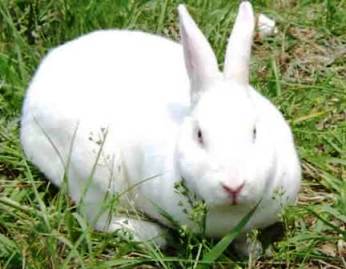
Rex rabbit
A: The quality of rabbit pelts directly affects economic returns. To obtain high-quality Rex rabbit pelts, in addition to having excellent breeding stock and scientific husbandry, you must also understand the molting patterns of Rex rabbits and calculate the pelt harvesting time accurately. Molting in Rex rabbits is divided into two types: age-related molting and seasonal molting.
Age-related molting: From 30 to 150 days of age after birth, young rabbits go through their first age-related molting period. Harvesting the pelt after the first age-related molt is the most economical. The second age-related molt mostly occurs between 170 and 240 days of age. If the first age-related molt coincides with spring or autumn, the second age-related molt often begins immediately.
Seasonal molting: This refers to the spring and autumn molting of adult rabbits. Spring molting generally occurs from early March to the end of April, and autumn molting generally occurs from early September to the end of November.
The pelt harvesting time for Rex rabbits must be determined by both the right age and the right season.
1. Right age: This means slaughtering and harvesting the pelt after the first age-related molt of young rabbits ends and before the second age-related molt begins, that is, at 5-6 months of age, when body weight reaches 2.5-3 kg. At this time, the pelt area meets requirements. From the perspective of pelt maturity, slaughtering and harvesting after the second age-related molt ends is even better, but this requires raising them for more than two extra months, which increases feeding and management costs.
2. Right season: Pelt harvesting refers to the harvesting time for adult rabbits, older rabbits and culled rabbits, and should be chosen during the period from late winter to early spring, that is, from the end of November to before March of the following year. This is because pelts harvested during this period have thick underfur, do not shed fur, and have good pelt quality.