Pomegranate flowers are not only beautiful, but keeping them at home also benefits your health
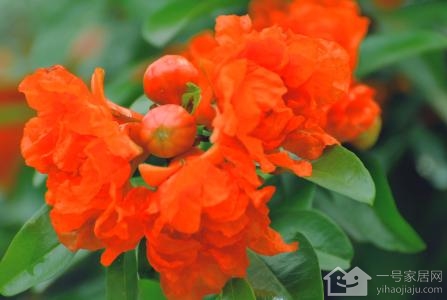
I believe everyone has eaten pomegranates, right? It is a very delicious fruit. Today, the editor will introduce pomegranate flowers. Pomegranate flowers are the flowers that bloom on the pomegranate tree, and their flowers are generally orange-red. The propagation method for pomegranate flowers is generally the direct cutting method. Pomegranate flowers also have many uses; they can help astringe and stop diarrhea, which is their medicinal value. In addition, they can also be stir-fried into dishes. At the same time, their appearance is also very beautiful, so they have ornamental value. Below is an introduction to the uses of pomegranate flowers.
What are the uses of pomegranate flowers?
1. Pomegranate flowers can both decorate the home environment and be enjoyed for their flowers and fruit. The pomegranate has a graceful tree form and elegant branches and leaves. In early spring, the tender leaves begin to sprout green and look graceful and charming; in midsummer, the flowers are abundant and brilliantly colored; and in autumn, heavy fruits hang on the branches and leaves, creating quite a lively scene. If you place a small potted pomegranate flower plant on your windowsill, balcony, or indoors, letting the pomegranate's bright red flowers and fruits and its tender green branches and leaves bring a bit of abundance to your home, making your home environment both festive and elegant, would that not be wonderful?
2. Pomegranate can effectively remove harmful substances such as sulfur dioxide, chlorine, ether, ethylene, carbon monoxide, and nitrogen peroxide, especially lead. There is a saying about pomegranate flowers: pomegranate flowers red as fire, enjoy the flowers and the fruit, airborne lead has no place to hide. If you place one or two pots of pomegranate indoors, you can not only decorate your home environment but also reduce the lead content in the air, achieving two benefits at once.
3. Pomegranate not only has decorative functions but also medicinal effects. Pomegranate flowers, when used internally, have the effect of stopping nasal congestion, vomiting blood, and traumatic bleeding, and can also treat excessive vaginal discharge; when used externally, they can treat otitis media. The tender leaves of pomegranate can strengthen the stomach and regulate the intestines, reduce food stagnation, and aid digestion; when used externally, they can treat eye diseases and skin diseases. Modern medical research believes that pomegranate peel contains "pomegranate root bark alkaloid," which has an inhibitory effect on various bacilli and skin fungi. In addition, sour pomegranate contains more tannins, has an astringent and sterilizing effect, can treat diarrhea and dysentery, and can stimulate appetite and aid digestion. The root bark of the pomegranate tree also contains tannins and has the effect of expelling tapeworms and roundworms. In short, pomegranate has very strong medicinal effects. If you grow such a potted plant at home, it can not only be ornamental but also treat many diseases.
4. Edible effects: astringes and stops diarrhea, kills parasites, stops bleeding, moistens the lungs and relieves cough. It mainly treats chronic diarrhea due to deficiency cold, enteritis, dysentery, blood in the stool, rectal prolapse, uterine bleeding, tapeworm disease, and roundworm disease. Flowers: treat vomiting blood and nosebleeds. Use an appropriate amount externally to treat otitis media. Leaves: treat acute enteritis. Pomegranate is sour and astringent, warm in nature, and has the effects of moistening the intestines and stopping diarrhea, stopping bleeding, and expelling parasites. According to pharmacological research reports, it has an inhibitory effect on Shigella dysenteriae and Salmonella typhi. Escherichia coli and Mycobacterium tuberculosis. The root (including root bark) contains isopelletierine, mannitol, organic acids, etc., and has an inhibitory effect on Escherichia coli, Staphylococcus aureus, Pseudomonas aeruginosa, and various pathogenic fungi.
Pomegranate flowers have great ornamental value. We can grow pomegranate flowers in a small pot, then place it indoors, and when it blooms, we can admire its beauty. In addition, it also has medicinal value. It can help us treat otitis media, can also help strengthen the stomach and regulate the intestines, and can also help treat skin diseases. Overall, pomegranate flowers have very many uses. They have many benefits for our health. We should make good use of them.
The above is the relevant introduction in this article. I believe that after reading it, you also have a simple understanding of it. If needed, you can continue to follow No. 1 Home Network to learn more information.