How to grow sweet corn? A detailed guide to sweet corn cultivation techniques
Have you ever found yourself craving that tender, sweet corn? Actually, the sweet corn we eat in our daily lives is also a type of corn, but we often call it vegetable corn. Sweet corn is deeply favored by consumers from all walks of life for its unique rich nutrition and its fragrant, sweet and crisp characteristics. Moreover, because sweet corn has a very high sugar content and a long harvest period, it is widely grown. Below, let us learn how sweet corn is grown to produce such sweet and fragrant kernels.
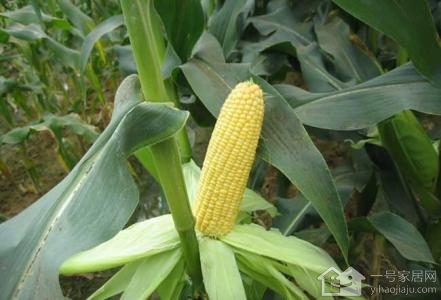
Sweet corn cultivation techniques - planting
When planting sweet corn, in order to ensure the eating quality and yield of sweet corn, we need to strictly isolate it from other varieties of corn when choosing where to plant, so as to prevent different varieties from cross-pollinating and affecting quality. Generally, the isolation methods we use when planting are spatial isolation and temporal isolation. Spatial isolation is generally the best. The spatial isolation method means that within about 400 m of the planting area, no other varieties of corn may be planted, and it is best to have natural barriers such as trees and hills. Temporal isolation, on the other hand, means staggering the sowing period so as to stagger the flowering period; the sowing time between two different varieties is generally about 25 days apart.
Sweet corn cultivation techniques - soil
Because sweet corn seeds are small, they are more difficult to germinate than ordinary corn seeds, so careful seedling raising is required. When planting, the land needs to be finely leveled, and it is best to choose land with loose soil and fertile soil, ideally with convenient drainage and irrigation. Generally, after the crop is harvested, plowing and fertilizing should be carried out. When planting sweet corn, economic benefits can be achieved through a suitable planting density. For some early-maturing varieties, they can be planted more densely, while late-maturing ones should be planted more sparsely.
Sweet corn cultivation techniques - field management
After sweet corn emerges, we should promptly check the seedlings, fill in gaps and thin the seedlings, and carry out topdressing and intertillage at different stages of sweet corn cultivation, and loosen the soil and weed in time. When the pollination period of sweet corn arrives, some supplementary pollination can be done as appropriate; the time for artificial pollination is generally chosen at 10 a.m. as the most suitable. Throughout the entire sweet corn cultivation process, we must carry out comprehensive prevention and control of pests and diseases, and at the same time remove the tassels in time, so that nutrients can be concentrated on the development of the ear. The above are the cultivation techniques for sweet corn. We can refer to the above planting methods during cultivation, and also adjust the methods according to the actual conditions of each place. In addition, sweet corn also has very good economic value; the oil and protein in its kernels are higher than those of ordinary corn. It can also be processed into many products.
The above is the relevant introduction in this article. I believe that after reading it, you will have a simple understanding of this. If needed, you can continue to follow No.1 Home Network to learn more information.