Sharing Wild Vegetable Cultivation Techniques: Master the Key Points of Scientific Cultivation
Wild vegetables mainly grow in natural environments such as remote mountains or grasslands. Because they have strong vitality and, since few people go there, they are not subject to any pollution. If wild vegetables are eaten over the long term, they can supplement the fats, proteins and vitamins the human body needs. They have very good benefits for the human body, so next I will briefly introduce wild vegetable cultivation!
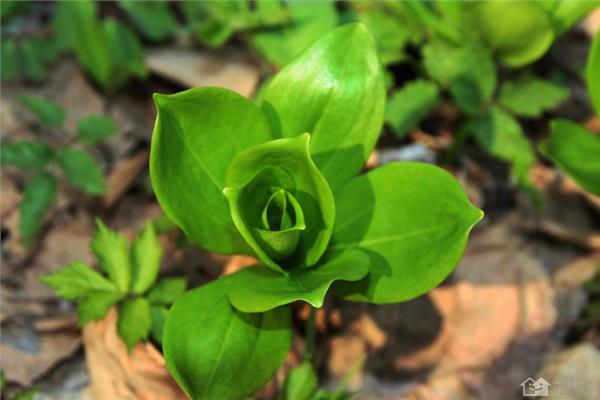
Selection of Seed Sources
Because there are many kinds of wild vegetables, if wild vegetables are to be grown on a large scale, an adequate guarantee of seed sources is needed so that development can be stable. When specifically developing wild vegetables, priority should be given to building wild vegetable seed source bases, to provide the necessary wild vegetable seeds or seedlings for the whole development effort. At the same time, if conditions permit, appropriate high-tech methods can also be used to provide a fast, high-quality, low-cost seedling propagation base, ensuring that the seedlings do not degenerate. For wild vegetables already included in development projects, a relatively concentrated wild vegetable seed source should be set up around the development zone, and protection measures should be taken to prevent unrelated people from over-collecting and causing the wild vegetable resources to wither.
Establishing Protection Zones
At the same time, only the development zone is allowed to carry out planned collection; people outside the development zone may not casually enter or leave the development zone to collect. The size of a wild vegetable cultivation base should be based on the annual cultivation scale and quantity of each kind of wild vegetable, with a little margin left, to ensure the seed quantity needed for production operations and special uses. When building a wild vegetable production base, isolation should be used to cut off pollution sources, ensuring that the growing environment of the wild vegetables has no pollution or only slight pollution, and striving to make the wild vegetable production base equivalent to nature. Because wild vegetables are a kind of green food, during the growth of the wild vegetables chemical fertilizer should be used as little as possible or not at all, with organic fertilizer being the main type applied.
Fertilizer Storage
According to the annual production scale of wild vegetables, the production and storage of organic fertilizer should be prepared in advance, and the fertilizer formula for wild vegetables should be gradually worked out. In areas where conditions permit, appropriate biogas digesters can also be built to ensure the fertilizer needed for production. At the same time, pest and disease control for wild vegetables should also be done well, first insisting on biological control; in general, chemical pesticides are not used. Through the self-regulation of the biological chain, we should reduce or prevent the occurrence and spread of pests and diseases in wild vegetables.
The above is a summary of some related content about wild vegetable cultivation techniques. As a kind of green plant, wild vegetables generally grow in areas few people visit, so their bodies do not contain any elements harmful to the human body. If eaten over the long term, they can also have a nourishing effect on the human body, so they are now loved by many urban people.