A detailed explanation of the classification and roles of herbaceous plants, all in one article
The vascular bundles of herbaceous plants also differ from those of woody plants. Let us take a look below at a detailed introduction to the roles and classification of herbaceous plants.
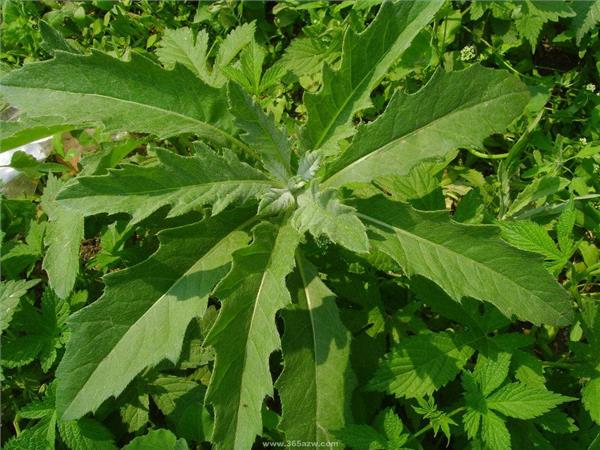
A detailed introduction to the roles and classification of herbaceous plants
Main roles
1. Herbaceous plants have many uses. All important food crops are herbaceous plants, such as wheat, millet, corn, barley, sorghum, rice and so on, which can be eaten by humans.
2. Many animals in nature, as well as various livestock such as pigs, cattle, horses and sheep, also eat herbaceous plants, so herbaceous plants are an important part of the food chain.
3. Some herbaceous plants can be seen everywhere in daily life and can be used for weaving and making tools. In Southeast Asia there are even houses made of bamboo.
4. Many grasses in nature are not only food for animals, but can also produce large amounts of oxygen and prevent soil erosion.
5. Many herbaceous plants are important sources of traditional Chinese medicinal materials.
Side effects
If a product uses words such as "natural" and "herbal", it seems to make people feel safe. In fact, this is not necessarily so, and examples abound. For example, tobacco leaves, coca leaves (the source of cocaine), cannabis (the source of cannabis drugs) and opium poppy (the source of heroin and morphine) are all natural ingredients, but they are harmful to health. Therefore herbaceous plants can be divided into two major categories: edible herbaceous plants, and medicinal herbaceous plants without harmful side effects. When the formula is wrong or used improperly, they can harm health. Some drug manufacturers themselves do not have professional qualifications and cannot correctly use herbs or plants when developing drugs. Other manufacturers, driven by high profits, completely disregard consumer safety.
Ephedra contains the active ingredient ephedrine. Ephedrine is a common ingredient in weight-loss drugs and can cause heart disease, blood poisoning and hemorrhagic stroke. The FDA has received 150 reports of deaths related to ephedra. The journal Neurology reported that consuming 32 mg of ephedra per day increases the risk of stroke. However, labels on drugs containing ephedra recommend that people take up to 100 mg per day. At present, the U.S. federal government has banned the use of ephedra as a dietary supplement.
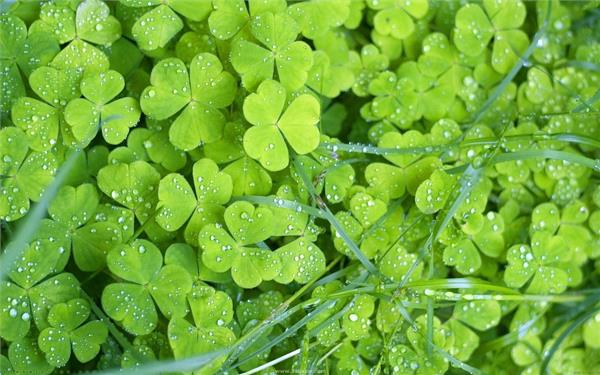
Herbaceous plants with high caffeine content
Sometimes, when ephedra is taken together with plants containing large amounts of caffeine, such as guarana seeds, it can lead to stroke, seizures, and sudden death from high blood pressure.
Herbaceous plants containing large amounts of caffeine include guarana seeds, kola nuts, tea leaves and coffee beans. These herbaceous plants are widely grown around the world, such as in Malaysia and Sri Lanka.
They are popular weight-loss substances because caffeine is said to promote metabolism. Depending on the variety, the caffeine content in guarana fruit is as high as 10%, in tea leaves about 3.5%, and the average caffeine content in coffee beans is about 2.2%.
Experts agree that consuming too much caffeine can lead to anxiety, insomnia, irregular heartbeat, addiction, and may even cause death in patients with high blood pressure.
When some of these caffeine-rich plants are mixed with herbs that have diuretic effects as ingredients in weight-loss drugs, they cause the body to excrete large amounts of water, resulting in temporary weight loss. This makes people mistakenly believe that the caffeine-rich weight-loss pills they are taking can burn fat. In addition, excessive diuretics can damage the kidneys.
Guar gum
Guar gum is a weight-loss ingredient that was banned in the 1990s of the 20th century. Guar gum is a complex sugar that swells when wet, so eating it creates a feeling of fullness. However, its side effects include severe stomach, throat and intestinal blockages.
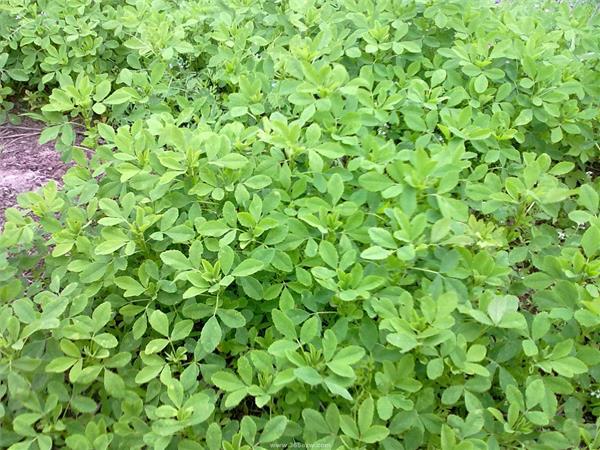
White willow bark
White willow bark contains salicylic acid, which is the active ingredient in aspirin. The FDA pointed out that this herb is used in some children's medicines, yet the labels of these medicines state that they do not contain aspirin. White willow bark can cause symptoms of internal bleeding in some adults who are sensitive to aspirin. The U.S. Council for Health Fraud has called on the public to note that using white willow bark to treat chickenpox or influenza in children can lead to a liver disease -- Reye's syndrome.
Annual herbaceous plants
Annual herbaceous plants (annual) refer to herbaceous plants whose lifespan is only 1 year, from seed germination, growth, flowering and fruiting to withering and death, that is, plants that can complete their life cycle within one growing season, that is, plants that flower and fruit and then die in the same year, such as morning glory, cineraria, gourd, China aster and so on.
Biennial herbaceous plants
Biennial herbaceous plants (biennial) are plants that in the first growing season (autumn) grow only vegetative organs, and in the second growing season (spring) flower, fruit and then die, such as winter wheat, sugar beet, broad bean and so on.
Perennial herbaceous plants. Perennial herbaceous plants (perennial herb) have a relatively long lifespan, generally herbaceous plants of more than two years, such as chrysanthemum, orchid, lotus, water lily, clivia and so on. The roots of perennial herbaceous plants are generally relatively thick and sturdy, and some also grow organs such as tuberous roots, tubers, corms and bulbs. In winter, the aboveground parts still sleep quietly, and when the climate warms the next year, they sprout and grow again. Growing year after year in this way, the underground roots or stems may gradually become larger and may also branch. This provides us with a basis for identifying their age; we can infer their age from the number of branches on the underground part, and the size, length and thickness of the stems or roots. Perennial herbaceous plants can live for more than two years. The underground parts of some plants are perennial, such as modified organs including perennial roots or rhizomes, bulbs and tuberous roots, while the aboveground parts die every year, and in the spring of the next year new shoots grow again from the underground parts, flowering and fruiting, such as lotus root, onion, taro, sweet potato, dahlia and so on; in addition, some plants have both aboveground and underground parts that are perennial, and after flowering and fruiting, the aboveground parts still do not wither and die, and can fruit many times, such as Japanese ardisia, dwarf lilyturf and so on.
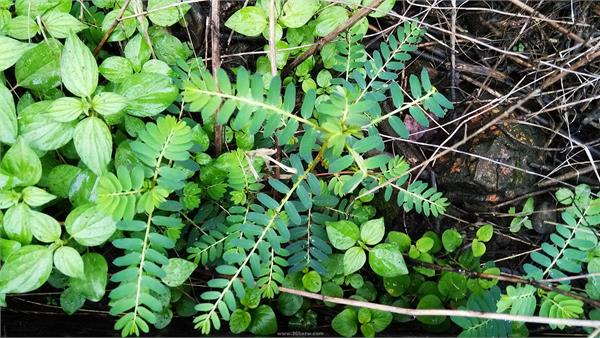
Herbaceous plants and herbaceous stems
The most notable difference between herbaceous plants and woody plants lies in the structure of their stems. The stems of herbaceous plants are "herbaceous stems", in which many relatively small vascular bundles are densely distributed. Filling the spaces between the vascular bundles are large numbers of parenchyma cells, and the outermost layer of the stem is tough mechanical tissue.
The roots of perennial herbaceous plants are generally relatively thick and sturdy, and some also grow organs such as tuberous roots, tubers, corms and bulbs. In winter, the aboveground parts still sleep quietly, and when the climate warms the next year, they sprout and grow again. Growing year after year in this way, the underground roots or stems may gradually become larger and may also branch. This provides us with a basis for identifying their age; we can infer their age from the number of branches on the underground part, and the size, length and thickness of the stems or roots. Perennial herbaceous plants can live for more than two years. The underground parts of some plants are perennial, such as modified organs including perennial roots or rhizomes, bulbs and tuberous roots, while the aboveground parts die every year, and in the spring of the next year new shoots grow again from the underground parts, flowering and fruiting, such as lotus root, onion, taro, sweet potato, dahlia and so on; in addition, some plants have both aboveground and underground parts that are perennial, and after flowering and fruiting, the aboveground parts still do not wither and die, and can fruit many times, such as Japanese ardisia, dwarf lilyturf and so on.
Herbaceous plants and herbaceous stems
The most notable difference between herbaceous plants and woody plants lies in the structure of their stems. The stems of herbaceous plants are "herbaceous stems", in which many relatively small vascular bundles are densely distributed. Filling the spaces between the vascular bundles are large numbers of parenchyma cells, and the outermost layer of the stem is tough mechanical tissue.