What indoor plants purify the air?
Common indoor plants and flowers are no less effective than air purifiers. Below, let us take a look at which indoor plants purify the air specifically.
Which indoor plants purify the air specifically
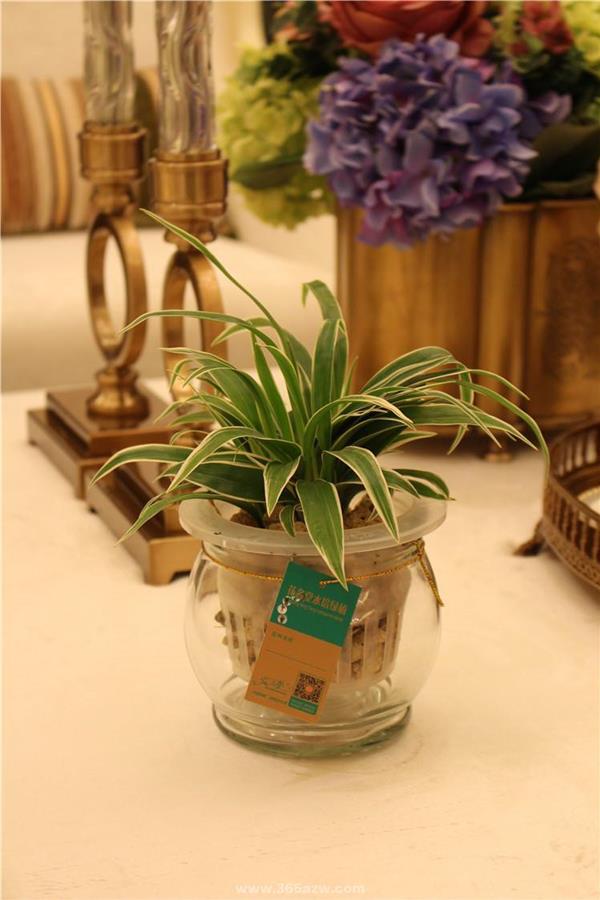
1. Spider plant:
Its ability to absorb harmful chemical substances in the air exceeds that of an air filter. One pot of spider plant can, within 24 hours, absorb carbon monoxide, nitrogen peroxide and other volatile harmful gases in a room completely.
2. Cactus:
Its characteristic is that it closes its stomata during the day to prevent water evaporation. At night it opens its stomata, absorbs carbon dioxide and releases oxygen. If two or three pots of cactus are placed indoors, they can increase negative ions in the air, which is greatly beneficial to sleep and health.
3. Snake plant:
A natural scavenger, one pot of snake plant can absorb more than 80% of various harmful gases in a room of about 10 sq m; two pots of snake plant can basically completely purify the air in an ordinary living room; snake plant can also release a large amount of oxygen during the day.
4. Aloe:
As the floral saying goes, "Spider plant and aloe are strong hands; formaldehyde is so scared it hides away." Evergreen aloe has a certain effect in absorbing odors, and its effect lasts a relatively long time. In addition, aloe also has beauty benefits.
5. Chinese rose:
It can absorb gases such as hydrogen sulfide, hydrogen fluoride, benzene, ethyl phenol and ether; it also has considerable resistance to sulfur dioxide and nitrogen dioxide.
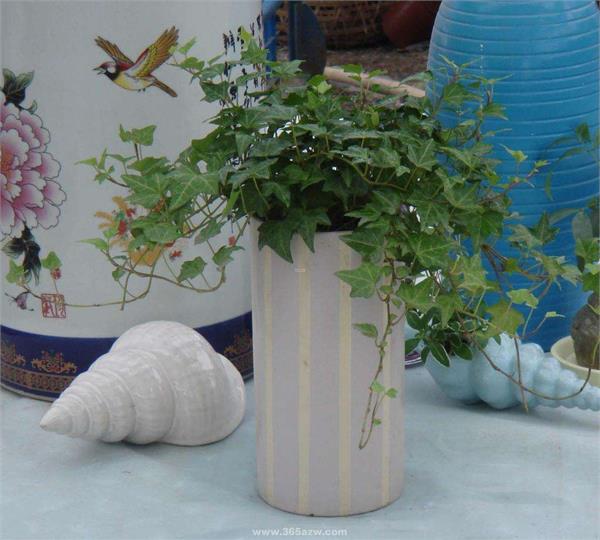
6. Ivy:
One pot of ivy can eliminate 90% of the benzene in a room of 8 to 10 sq m, can deal with bacteria and other harmful substances brought in from outdoors, and can even absorb dust that is difficult for even a vacuum cleaner to reach.
7. African jasmine:
The volatile oils it produces have a significant bactericidal effect. It can help people relax, benefit sleep, and also improve work efficiency.
8. Silver queen:
It is famous for its unique air-purifying ability: the higher the concentration of pollutants in the air, the more it can exert its purifying ability! Therefore it is very suitable for dark rooms with poor ventilation.
9. Umbrella tree:
Its leaves can absorb nicotine and other harmful substances from smoke-filled air, and through photosynthesis convert them into harmless substances of the plant's own. In addition, it can reduce formaldehyde concentration by about 9 milligrams per hour.
10. Monstera:
Monstera's air-purifying function is slightly weaker; it is not like spider plant or aloe, which are all-rounders at purifying air. But monstera has a relatively obvious effect on removing formaldehyde from the air. In addition, monstera has the effect of absorbing carbon dioxide at night. It is greatly helpful for improving indoor air quality and increasing oxygen content.
11. Lucky bamboo:
A healthy plant suitable for the bedroom, lucky bamboo can help improve air quality in rooms that are not often ventilated by opening windows, and has a detoxifying function. Especially in the bedroom, lucky bamboo can effectively absorb waste gases, improving the private environment of the bedroom.
12. Rubber plant:
An all-rounder among plants for eliminating harmful substances, it has a certain resistance to harmful gases in the air such as carbon monoxide, carbon dioxide and hydrogen fluoride. The rubber plant can also eliminate inhalable particulate pollution and has an effective dust-retaining effect on indoor dust.
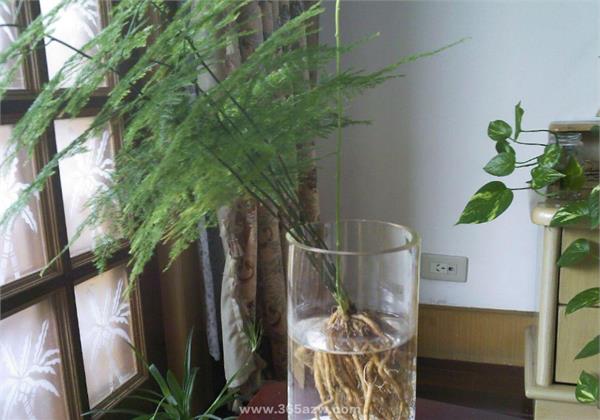
13. Asparagus fern:
A protective umbrella that eliminates bacteria and viruses, asparagus fern contains plant aromas with antibacterial components, which can remove bacteria and viruses from the air and has health benefits.
14. Money tree:
It releases oxygen and absorbs carbon dioxide; it is suitable for growing in warm, humid and well-ventilated environments, likes sunlight and also tolerates shade, and is convenient to manage and care for.
15. Peace lily:
An "expert" at suppressing waste gases exhaled by the human body, such as ammonia and acetone. At the same time, it can also filter benzene, trichloroethylene and formaldehyde from the air. Its high evaporation rate can prevent dryness of the nasal mucosa, greatly reducing the possibility of illness.
16. Weeping fig:
Its leaves and roots can absorb xylene, toluene, trichloroethylene, benzene and formaldehyde, and decompose them into non-toxic substances.
17. Elephant ear:
It has the effect of removing dust from the air.
18. Milan:
It can absorb sulfur dioxide and chlorine gas in the atmosphere. Fumigated for 4 hours in air containing IPPM chlorine gas, 1 kilogram of dry leaves absorbs 0.0048 grams of chlorine.
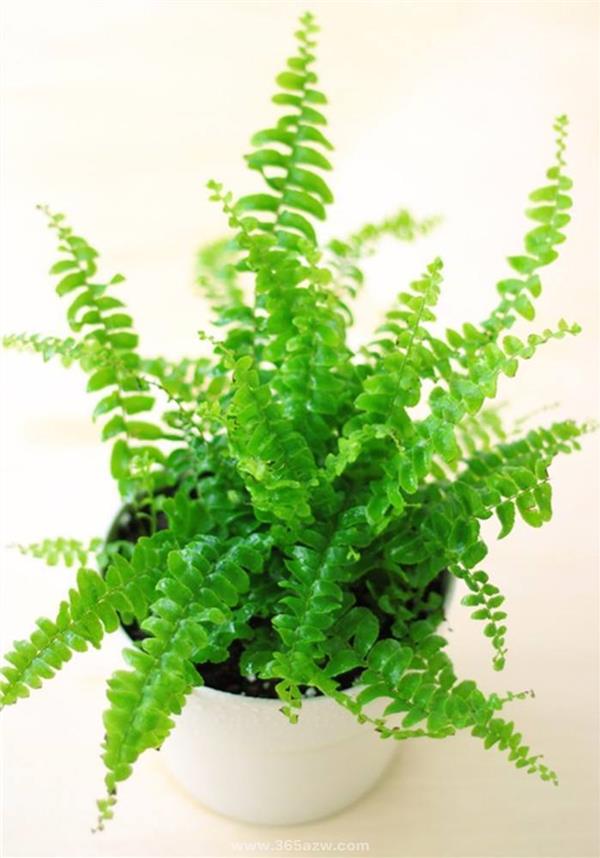
19. Boston fern:
Ranked ninth by NASA among air-purifying plants is the Boston fern, which has always been deeply loved by people. This cool and relaxing plant is called the "most effective filtering plant" for its repeatedly proven ability to remove mold and toxic substances from indoor air.
20. Gerbera:
This plant is not only good at absorbing formaldehyde, but also highly ornamental, and quite a few varieties can even be used as cut flower material.
Warm tips:
Although flowers and plants have such a great purifying effect, care should also be taken not to place too many in the bedroom. This is because green plants, under insufficient light, will like humans absorb oxygen and release carbon dioxide. If poor air circulation then causes the carbon dioxide concentration to become too high, it will affect human health.
In addition, when using flowers and plants to purify the indoor environment, attention should also be paid to:
Avoid strong fragrance:
Some flowers and plants have too strong a fragrance, which can make people uncomfortable or even cause adverse reactions, such as night-blooming jasmine, tulips and lantana.
Avoid allergies:
Some flowers can cause allergic reactions in people. Such as Chinese rose, mock orange, lantana, hydrangea, geranium and redbud; when people touch or stroke them, they often cause skin allergies, and even red rashes and unbearable itching.
Avoid toxicity:
Some ornamental flowers and plants are toxic and should be placed with care, such as sensitive plant, poinsettia, oleander, yellow azalea and zhuangyuan red.