Precautions for Feeding Aquatic Plants to Pigs and the Effect of Water on Flower Growth and Development
Plant cultivation is a profoundly extensive and deep field of knowledge, and it has long received widespread attention. So what are the precautions for aquatic flowers? I believe everyone is eager to know the answer to this question. Through learning about plant cultivation, we can better integrate into practical life. So let us take a look together below.
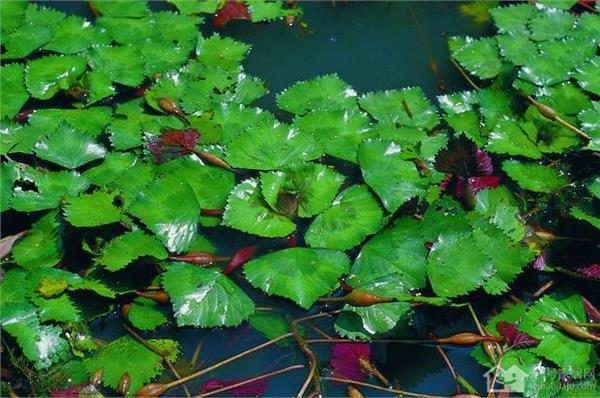
Precautions for Feeding Aquatic Plants to Pigs
1. The growing site of aquatic feed must be disinfected. Use a 1:5000 copper sulfate solution or 0.1% lime water to disinfect the ponds and reservoirs where aquatic feed is grown, in order to kill the intermediate host that spreads Fasciolopsis buski - the planorbid snail. Apply decomposed farmyard manure to the aquatic feed.
2. The fermentation of aquatic feed must be done well. Aquatic feed should not be fed raw; it must be fermented to destroy insect eggs before being fed to pigs. Fermentation method: wash the aquatic feed clean, dry it, chop it up, add rice bran, wheat bran, etc., add distiller's yeast at a ratio of 3%-5% and a small amount of water, mix well, pile it up and ferment for 2-3 days, then it can be fed to pigs. For the next fermentation, do not add distiller's yeast; simply use a small amount of the already fermented feed as a starter.
3. Deworming must be carried out regularly. Administer deworming medicine once every two months. Mix the medicine into the feed at a ratio of 10 mg per kg of body weight and feed it once on an empty stomach. Alternatively, use refined trichlorfon tablets, mix the medicine into the feed at a ratio of 0.1 g per kg of body weight, and feed once on an empty stomach.
What Effect Does Water Have on Flower Growth and Development
(1) Xerophytic flowers. Such as plum blossom, crape myrtle, Malus spectabilis, hollyhock, nandina, etc., and succulent flowers are all relatively drought-tolerant.
(2) Aquatic flowers. Such as lotus, water lily, Acorus calamus, water bamboo, etc.
(3) Mesophytic flowers. Flowers that can grow well in moist soil. The vast majority of flowers belong to this type, such as magnolia, Michelia alba, wintersweet, peach blossom, camellia, redbud, etc.
The above is the relevant introduction in this article. I believe that after reading it, you now have a simple understanding of this. If needed, you can continue to follow No.1 Home Network to learn more information.