Detailed Explanation of the Characteristics and Cultivation Methods of the Water Lily
The parlor palm, also known as the dwarf coconut palm, miniature palm, miniature palm, and dwarf palm, belongs to the genus Chamaedorea in the palm family (Arecaceae) and is native to Mexico and Guatemala. Next, let us take a look at how to grow it.
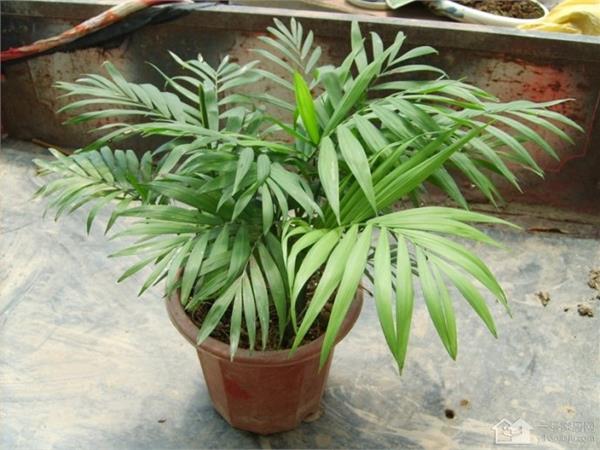
The parlor palm is very suitable as a small to medium-sized indoor potted plant, decorating indoor environments such as living rooms, studies, conference rooms, and hotel service counters, adding a tropical atmosphere and charm to the interior. Placed in a corner of a room or on a coffee table, it can add a vibrant touch to the interior, giving the room a charming tropical feel. It is an evergreen small shrub, and the potted height generally does not exceed 1 m.
The parlor palm prefers a warm, humid, and semi-shaded environment. The suitable temperature for growth is 20-30°C; at 13°C it enters dormancy, and the minimum winter temperature for overwintering is 3°C. The best cultivation medium for the parlor palm is well-drained, moist, and fertile loam. For potting, a mix of leaf mold and peat soil with 1/4 river sand and a small amount of base fertilizer can generally be used as the medium. It has low fertilizer requirements; generally, apply liquid fertilizer 1-2 times per month during the growing season, and apply little or no fertilizer in late autumn and winter.
Potted parlor palm, with a plant height not exceeding 1 m; its stem is slender and upright, unbranched, dark green, with irregular ring patterns. The leaves emerge from the top of the stem, are pinnately compound, fully divided, with broad lanceolate segments; there are 20-40 pinnate leaflets, sickle-shaped, dark green, and glossy. The plant blooms in spring, with a spadix axillary, dioecious; male flowers are slightly upright, female inflorescences droop slightly when nutritional conditions are good, and the flowers are yellow and bead-like; the small berries produced are mostly orange-red or yellow.
Cultivation Methods of the Parlor Palm
1. Soil: The best cultivation medium for the parlor palm is well-drained, moist, and fertile loam. For potting, a mix of leaf mold and peat soil with 1/4 river sand and a small amount of base fertilizer can generally be used as the medium.
Parlor Palm
2. Watering: Follow the principle of keeping it moist rather than dry when watering; just keep the potting soil consistently moist. When the air is dry in summer and autumn, frequently spray water on the plant to increase the ambient air humidity, which is beneficial for its growth and also keeps the leaf surface dark green and glossy; appropriately reduce watering in winter to help it overwinter.
3. Sunlight: The parlor palm prefers semi-shaded conditions and should be kept away from direct sunlight during hot seasons. Under strong sunlight, its leaf color will fade or turn yellow, and scorched leaves and black spots will appear, causing it to lose its ornamental value.
4. Temperature: The suitable growth temperature for the parlor palm is 20-30°C; it enters dormancy at 13°C, and the overwintering temperature is 10°C.
5. Fertilization: It has low fertilizer requirements; generally, apply liquid fertilizer 1-2 times per month during the growing season, and apply little or no fertilizer in late autumn and winter.
6. Pests and diseases: Under high temperature and high humidity, the parlor palm is prone to brown spot disease, which can be controlled by spraying 800-1000 times diluted thiophanate or carbendazim. When the air is dry and ventilation is poor, it is also prone to scale insects, which can be controlled by manual scraping and by spraying 800-1000 times diluted omethoate.
Precautions for Growing the Parlor Palm
During the seedling stage, apply 3-4 times of dilute liquid fertilizer in spring and the two seasons.
Be careful to prevent scorched edges caused by excessive light. Since the parlor palm prefers a more shaded environment, when grown indoors it should be placed near a north window, east window, or other location with bright scattered light; the parlor palm is most afraid of strong direct light, and even short exposure to the sun can cause leaf scorch and yellowing of the leaves. Conversely, if placed in an overly dry and dark place for a long time, the leaf color will also fade and lose its gloss.
Suitable temperature. The optimum temperature for general growth is 20-30°C; in winter, the indoor temperature should be between 12-14°C, and the minimum temperature must not be lower than 10°C. At the same time, the surrounding air humidity should also be maintained. It is necessary to frequently spray water on the leaf surface to increase air humidity.
Repotting is required once every 3 years. The potting soil must not use acidic soil, and a small amount of clay should also be added.
The above is the relevant introduction in this article. I believe that after reading it, you also have a simple understanding of this. If needed, you can continue to follow No. 1 Home Network to learn more information.