How to diagnose pests when growing vegetables on a balcony? Practical tips to teach you
Vegetables grown in containers on a balcony can also get pests. If you find pests, first determine whether it is a problem with environmental conditions such as water, light and temperature, or a problem with the fertility of the growing medium. After ruling out these factors, then determine whether it is a disease or a pest. Below, the editor teaches you how to diagnose vegetable pests.
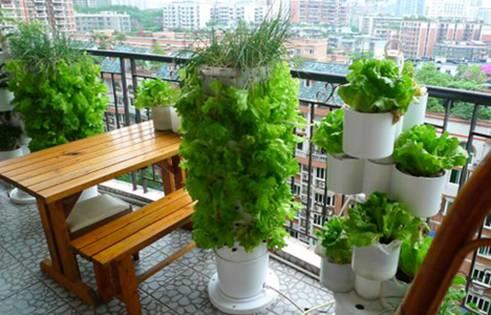
Vegetable pest and disease diagnosis methods can identify pests by their morphological characteristics at each stage, or by the remnants they leave behind. Pest remnants include egg shells, pupal cases, shed skins, residual body hairs and dead insect bodies, as well as pest excrement such as feces, honeydew substances, silk webs and frothy substances.
1. Leaves are eaten, forming notches
These are mostly eaten by Lepidoptera larvae and Coleoptera pests with chewing mouthparts.
2. Linear stripes or grayish-white or grayish-yellow spots on the leaves
This symptom is mostly caused by pests with piercing-sucking mouthparts, such as leaf miners or stink bugs.
3. Seedlings are bitten off or cut through
This is mostly done by crickets or leaf moths.
4. Honeydew secretion and sooty mold
Such pests produce black spots on the surface of vegetables by excreting honeydew-like waste, and are mainly sap-sucking, liquid-excreting pests such as various aphids.
5. The heart leaves shrink and thicken
This symptom mostly appears on sweet peppers and chili peppers, and is related to mite pests.
6. The interior of the vegetable is damaged
Such pests generally enter the interior of the vegetable and are very hard to see from the outside. If you find fresh pest droppings on or around the plant and fresh entry holes on the plant, you can judge that the pests are far inside the vegetable causing damage. Sometimes, although there are droppings and entry holes, the droppings and entry holes have already dried up, which indicates that the pests have already moved elsewhere. Such pests are mostly moth pests and larvae.
7. The upper part of the seedling wilts and dies
This indicates that the roots of the vegetable have been damaged, mostly by underground pests such as mole crickets, root mites and root-knot nematodes.
8. Blocky fruits are bored into and rot
For example, the underground tubers of potatoes, onions and garlic rot or are bored into during growth and storage. These are mostly caused by weevils, root mites and the like.
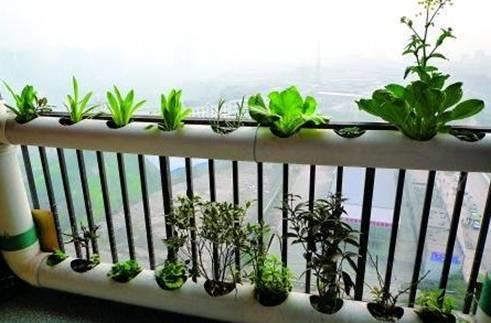
Although growing vegetables in containers on a balcony has many benefits, it also suffers from pests just like vegetables grown in the ground, so we must do a good job of pest prevention and control.
The above is the related introduction of this article. I believe that after reading it, you also have a simple understanding of this. If needed, you can continue to follow No. 1 Home Network to learn more information.