A Detailed Explanation of the Conditions for Cactus Flowering and What It Symbolizes
First of all, under normal circumstances, if you want to see a cactus bloom, you need to grow it for at least 3-4 years. Let's take a look together at the conditions for cactus flowering and what it symbolizes.
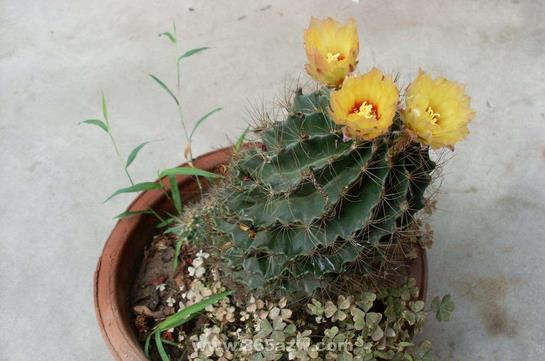
What Are the Conditions for Cactus Flowering and What Does It Symbolize?
When Do Cacti Bloom?
1. Flowering has little to do with plant size (unless the plant is very small); as long as the season for blooming arrives, most will develop buds and flower. This category includes: Schlumbergera truncata, Schlumbergera russelliana, Christmas cactus (Schlumbergera bridgesii), Echinocactus grusonii, Gymnocalycium baldianum, certain cacti (the kinds that wrinkle in winter), and so on. These plants are easy to grow, as long as they grow vigorously.
2. The plant must be grown to a relatively large size before it will bloom. This category includes: Echinopsis tubiflora, Schlumbergera x buckleyi, large-spined cacti, some species of the genus Mammillaria, and so on.
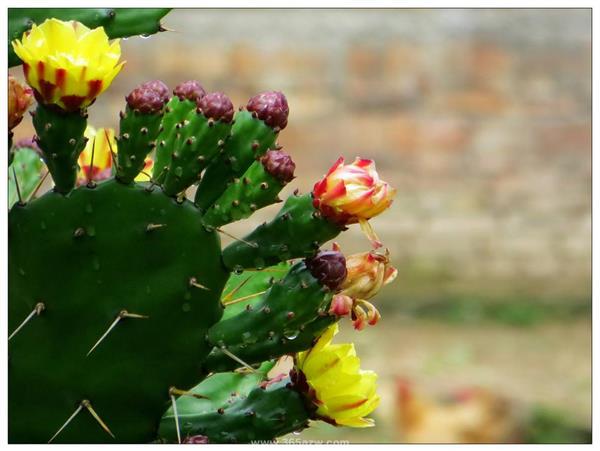
3. The plant needs to endure cold, drought or dormancy conditions before it will bloom; if it is kept too vigorous, it will instead be difficult to flower. This category includes: Cleistocactus colademononis, Notocactus, and so on. When growing these plants, attention must be paid to creating the right conditions, with care given to temperature, water, fertilizing and other aspects, otherwise flowering will be adversely affected.
4. For the ball-type cacti, those that develop buds from new areoles at the top can easily bud and bloom during the growing season, while those that bud from the sides need certain conditions to do so.
The Flowering Conditions for Ball Cacti
Micro-environment
Give the ball cactus a growing environment with a suitable temperature. You can use plastic film on a windowsill to make a closed shelter, then place the ball cactus inside for care. This will not only promote the growth rate of the ball cactus, but also give it bright colors and make it easier to bloom.
Sunlight
Ball cacti require plenty of sunlight and like warmth. If the ambient temperature cannot reach above 20 degrees, they will not bloom.
Watering
Ball cacti require a dry environment, and must never be watered too much; better dry than wet, and do not let water accumulate in the pot.
Fertilizing
During cultivation, appropriate water and fertilizer should be given. During the growing period of the ball cactus, apply a thin, well-rotted cake fertilizer once every 10 days to half a month. Do not apply too much fertilizer.
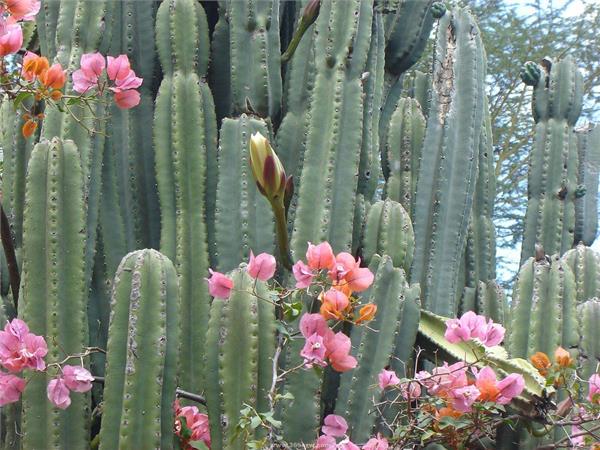
Propagation Methods for Cacti
Cacti can be propagated by cuttings or by sowing seeds. First, let's introduce the cutting propagation method commonly used for cacti. Many cacti can produce offsets: ball-type cacti will grow small offsets on the stem, while Opuntia cacti or segmented cacti will all produce offsets. For these varieties we must put in a bit more effort. You can use a knife to cut off the growing point of the cactus, and after cultivating it for a period of time, many small offsets will grow near the growing point. Once the offsets have grown to an appropriate size, you can cut them off for cutting propagation.
Besides the cutting propagation method, the process of using seeds to propagate cacti is also very interesting, because only by seed propagation can you crossbreed some new varieties yourself and bring yourself some surprises. In seed propagation, pollinating the cactus flowers is the primary step in the whole process, because most cacti cannot self-pollinate, so you have to act as the "matchmaker" and give them a helping hand. You can use a cotton swab to dab pollen onto the pistil, then simply wait for good news. Before long, once the fruit is full and ripe, you can take out the seeds and wash them.
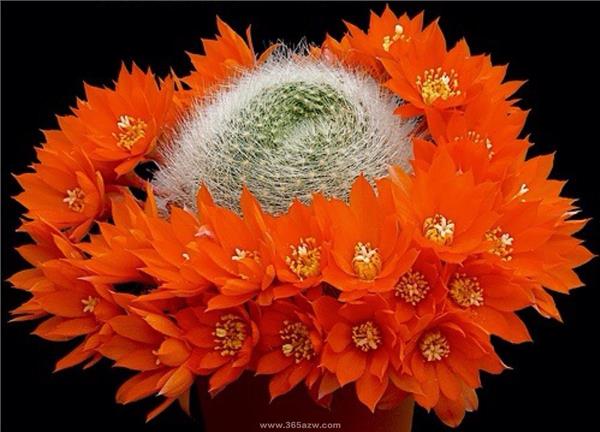
Since cactus seeds are very small, it is best to wrap the seeds in gauze and rinse them under running water. Then, scatter the seeds evenly over already soaked potting soil, place them in a dark spot, and keep the temperature at around 20°C; in winter the temperature must not fall below 10°C. Once the seeds develop into seedlings, you can carry out the first transplanting, then continue cultivating them in a dark spot for a period of time, after which they can be planted out into small pots; alternatively, you can cut off the root system of the seedlings and graft them onto rootstock.