How to Grow Cacti? A Complete Guide to Cultivation Methods and Precautions
Although cacti are very cold-resistant and heat-tolerant, the temperature difference between day and night should not be too large. Let's take a look below at how to grow cacti and the cultivation precautions.
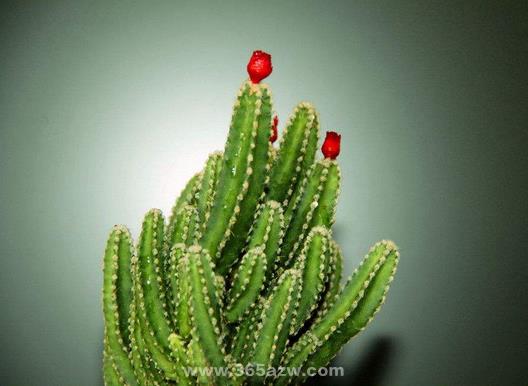
How to Grow Cacti and Cultivation Precautions
Cactus Cultivation Methods
Soil
Soil: Cacti like soil that has sufficient nutrients and is moderately loose, so the soil must be specially mixed. You can use 4 parts vermiculite, 4 parts fine sand, and 2 parts fully decomposed humus, stirred evenly. The resulting growing medium should barely hold together when squeezed in the hand and scatter apart as soon as you let go - that's the ideal consistency. This kind of soil is quite suitable for cactus growth.
Watering and Misting
Terrestrial cacti have distinct growth and dormancy periods. Water during the growth period, and water sparingly or not at all during dormancy. For epiphytic types, if the winter temperature stays above 12°C, you can water and mist year-round; if the winter temperature stays below 12°C, reduce watering as appropriate and stop misting. When watering, follow this principle: "water thoroughly when dry, do not water when not dry." The water temperature should be as close to the soil temperature as possible. In summer, water early (before sunrise) and late (after sunset); in winter, water between 10 AM and 11 AM. Pour water directly onto the potting soil, otherwise it will affect the appearance of the spines. In addition, in summer, sprinkle water on the ground to increase air humidity.
Fertilizing
Follow this principle for fertilizing: timely, appropriate amount, and according to the plant type. Fertilize in spring and autumn, once every 20 days, and choose to do it in the early morning or evening of a sunny day. If the potting soil is relatively dry, sprinkle a little water on the potting soil before fertilizing. A concentration of 0.05%-0.2% is appropriate. The next morning, water thoroughly once for better results. Terrestrial types require fertilizer rich in potassium and phosphorus and low in nitrogen, while epiphytic types require more nitrogen fertilizer.
Light
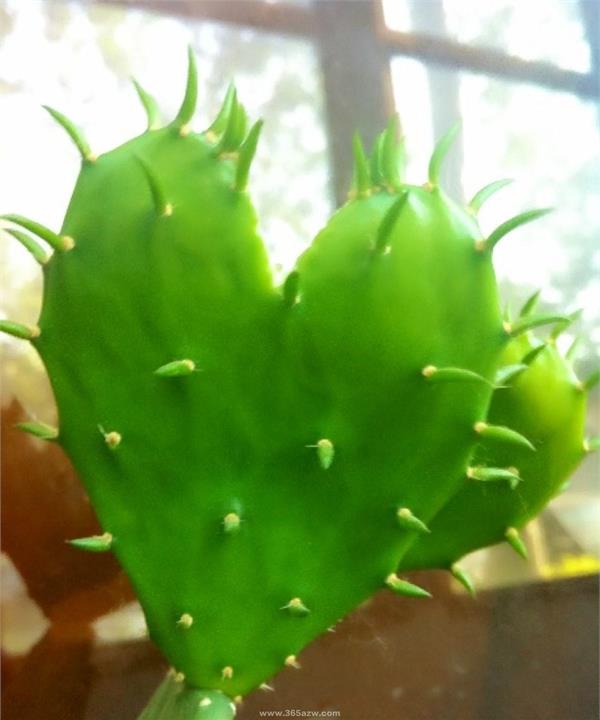
Terrestrial types prefer ample sunlight, especially in winter when they need full sun exposure. Generally, tall columnar and flattened cacti are more tolerant of intense light and can be placed outdoors in summer without shading; smaller spherical types prefer semi-shade conditions in summer. During the hot summer months of June to August, cover the top growth point and surrounding area of golden barrel cactus (Echinocactus grusonii) with a circular plastic film so that all parts of the sphere grow evenly. Epiphytic cacti require semi-shade conditions year-round.
Temperature
The optimal temperature for cactus growth is between 20-35°C. Terrestrial types do not require very high temperatures during winter dormancy; keeping the potting soil dry and maintaining a temperature of 4-7°C is sufficient. Epiphytic types, however, require higher temperatures in winter, preferably maintaining 10-13°C or higher. When summer temperatures reach 30-35°C, most cacti slow down their growth rate, and sometimes the stems of certain varieties turn yellow or get scorched. At this point, you must provide shade and sprinkle more water on the ground to lower the temperature.
Air
Most cacti originate from open desert areas with good ventilation and fresh air. Therefore, during the hot midsummer weather, ventilation and cooling of the cultivation site should be done well. Cultivation greenhouses should be chosen in environments with good air circulation, and more ventilation openings such as windows and skylights should be installed to allow ventilation and air exchange during hot weather. If necessary, equipment such as exhaust fans, blowers, or electric fans can be installed to enhance air circulation in the environment, helping cacti safely get through the summer.
Precautions for Cactus Cultivation
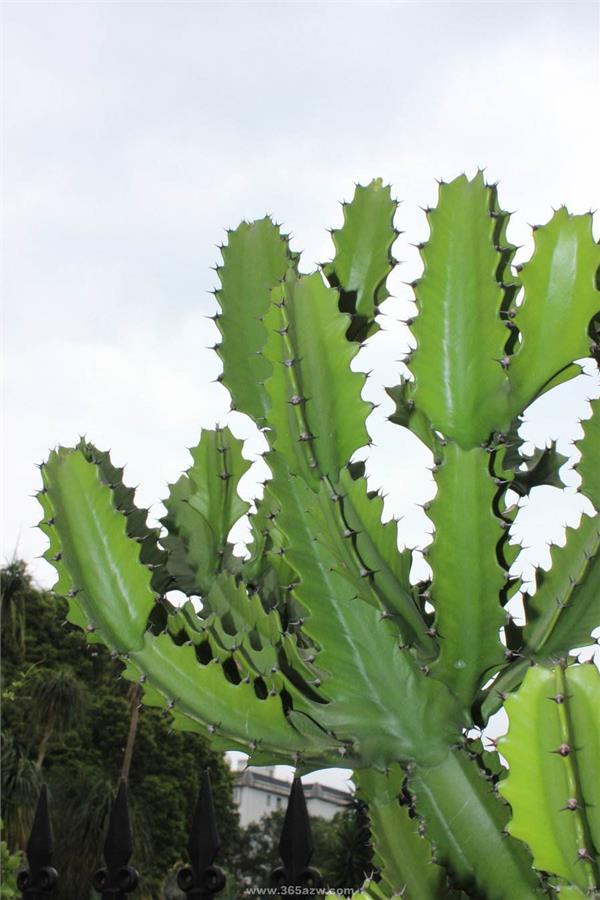
(1) Young cactus plants should be repotted once a year. Mature plants do not need annual repotting. However, after a certain period, the nutrients in the pot tend to become exhausted, the root system fills the potting soil, or due to frequent watering, the potting soil becomes hard and compacted, which is unfavorable for drainage and aeration and can easily cause root rot. Therefore, repot once every 2-3 years generally. Fast-growing varieties can be repotted into a slightly larger pot than the original; the original pot fitting inside the new pot is a good gauge. During cultivation, frequently loosen the surface soil of the pot to keep the soil well-aerated and promote root growth.
(2) Plants that are kept in a certain degree of dryness and sufficient light during cultivation management have lighter stem color and slower growth, but their areoles and spines are well-developed, thick, and beautiful. Plants kept in high temperature, high humidity, and poor light conditions grow rapidly with soft stems and bright colors, but their areoles and spines are poorly developed and their color characteristics are not pronounced - for example, red spines often turn dark brown. Therefore, the amount of watering should also be adjusted according to the purpose of cultivation.
(3) The water quality used for watering and misting should be free of excessive sodium chloride and other salts. Generally, rainwater and well water are both fine, but the water temperature should not be too low - close to the air temperature is best. Tap water should be placed in a container for 1-2 days before use. If you keep fish at home, using aquarium water to water potted plants is even more suitable.
Key Care Points for Cacti
Seed-grown cacti are indeed very easy to grow - neither watering nor soil requires much attention. However, some people buy cacti that are cuttings; they look fine on the surface but actually have no roots. This mainly applies to small potted plants bought on the roadside and small potted plants bought at flower markets.
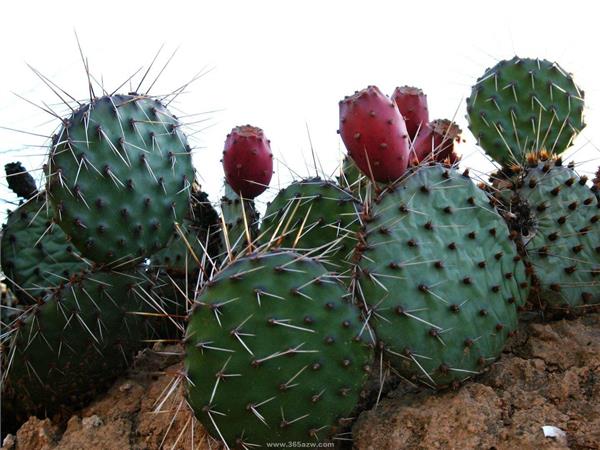
Although cacti are succulent plants and relatively drought-tolerant, they will not completely die even if not watered for a month. But watering is essential for their healthy growth. Winter: Water approximately once every 20 days, preferably in the afternoon when the temperature is higher. If the indoor air is relatively dry, you can spray water on the stems to keep them green. Once the whole plant enters dormancy, you can stop watering.
Spring: As temperatures rise, watering frequency can be appropriately increased. The principle is to water only when dry, and water thoroughly when you do; do not overwater, and do not go without watering for extended periods. When the temperature rises to around 20°C, watering once every 7-10 days is generally appropriate.
Summer: High temperatures, high evaporation, and vigorous growth make this the season when edible cacti need the most water. Generally, water once every 3-5 days. When the temperature rises above 30°C, to maintain stem turgor and enhance ornamental value, it is best to spray water on the cactus stems 1-2 times daily in the morning and evening.
Autumn: Gradually reduce watering. When watering potted plants, also pay attention to water temperature and water quality. Water should be neutral or slightly acidic in pH; tap water is best left to stand for two days before use. Also, the water temperature should ideally be close to the indoor air temperature - in cold northern regions, extra attention is needed when watering potted edible cacti.
This mainly applies to small potted plants bought on the roadside and small potted plants bought at flower markets.
Although cacti are succulent plants and relatively drought-tolerant, they will not completely die even if not watered for a month. But watering is essential for their healthy growth. Winter: Water approximately once every 20 days, preferably in the afternoon when the temperature is higher. If the indoor air is relatively dry, you can spray water on the stems to keep them green. Once the whole plant enters dormancy, you can stop watering.
Spring: As temperatures rise, watering frequency can be appropriately increased. The principle is to water only when dry, and water thoroughly when you do; do not overwater, and do not go without watering for extended periods. When the temperature rises to around 20°C, watering once every 7-10 days is generally appropriate.
Summer: High temperatures, high evaporation, and vigorous growth make this the season when edible cacti need the most water. Generally, water once every 3-5 days. When the temperature rises above 30°C, to maintain stem turgor and enhance ornamental value, it is best to spray water on the cactus stems 1-2 times daily in the morning and evening.
Autumn: Gradually reduce watering. When watering potted plants, also pay attention to water temperature and water quality. Water should be neutral or slightly acidic in pH; tap water is best left to stand for two days before use. Also, the water temperature should ideally be close to the indoor air temperature - in cold northern regions, extra attention is needed when watering potted edible cacti.