How to Grow Echeveria 'Perle von Nürnberg'? An Introduction to Its Growth Habits and Care Methods
In late summer and early autumn, flower stalks grow from the leaves, bearing slightly purple-orange flowers. Below, let us take a look at an introduction to the growth habits and care of Echeveria 'Perle von Nürnberg'.
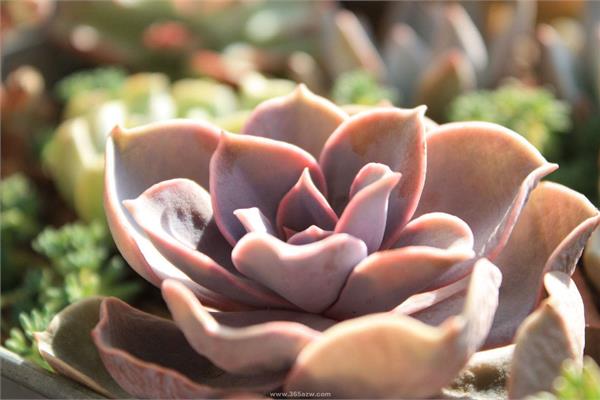
An Introduction to the Growth Habits and Care of Echeveria 'Perle von Nürnberg'
It likes light, and prefers a warm, dry and well-ventilated environment. It loves light, is drought-tolerant, cold-tolerant, shade-tolerant, and tolerant of stuffy indoor conditions, with extremely strong adaptability. It does not tolerate harsh sun exposure, and has no obvious dormancy period.
It prefers a cool, dry environment with plenty of sunlight and well-drained sandy soil.
Light
The more sufficient the light and the greater the temperature difference between day and night, the more vivid the leaf color. When temperatures allow, it is best to place it outdoors for care to ensure sufficient light. When light is insufficient or the soil is too moist, it will become leggy, with the whole plant turning light green or dark green, the leaves becoming sparse and the internodes elongating, accelerating upward growth. This seriously affects its ornamental value, and may even cause death due to hindered photosynthesis.
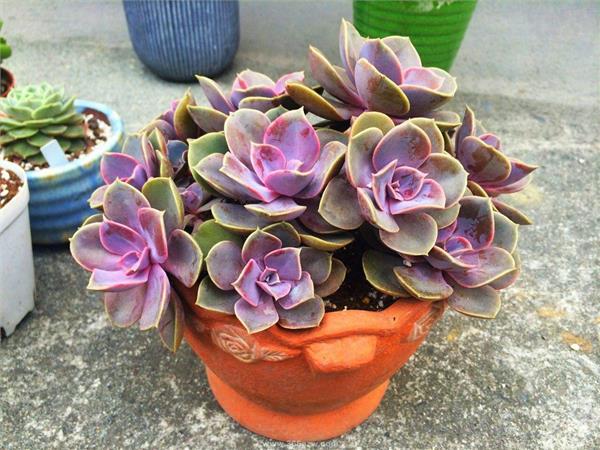
Water
Because the plant has a high internal water content, Echeveria 'Perle von Nürnberg' rots easily in overly humid environments. Never overwater. To avoid water accumulating at the roots, it is best to use a pot with drainage holes at the bottom; beginners can use a breathable terracotta pot; glass containers absorb heat and have poor breathability, so use them with caution.
Reference watering amount: about once every 10 days, watering thoroughly each time. The watering frequency can be increased or decreased as appropriate according to climate differences in different regions and seasons.
Soil
It is best cultivated in well-drained, breathable sandy soil to facilitate the removal of excess water and the growth of the plant's roots; you can mix leaf mold, sand and garden soil at 1/3 each. Repot once every 1-2 years in spring, and you can trim off dead old roots.
Temperature
Below 5°C it stops growing or suffers mild frost damage; at 0°C and below, the water in the leaves freezes and the cells die. When temperatures in winter and summer are too high (above 35°C) or too low (below 5°C), the plant stops growing. At this time, reduce or stop watering temporarily, and resume the watering frequency once temperatures are suitable. In summer heat, pay attention to ventilation and prevent prolonged sun exposure to avoid sunburn.
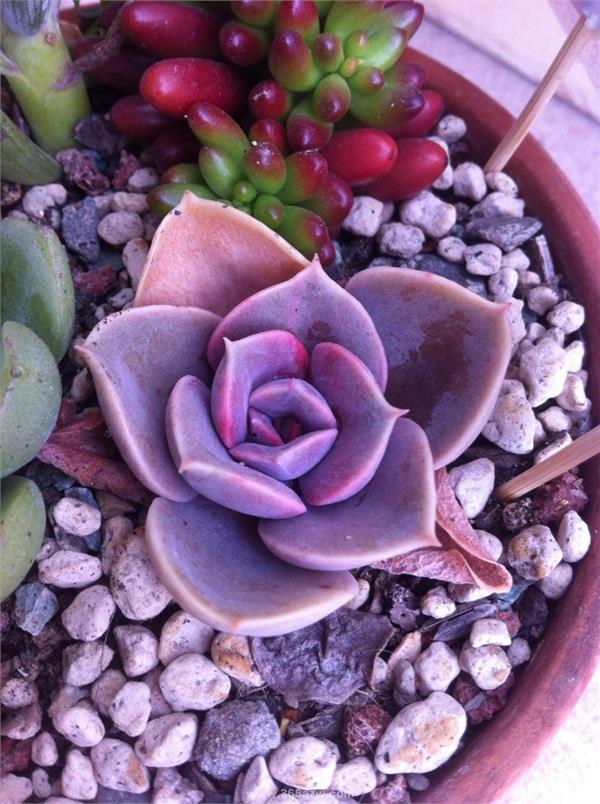
Pruning
Normally, remove dried old leaves promptly to prevent them from piling up and breeding bacteria. When the plant becomes leggy or grows too tall, you can shape it and control its height by pruning the top branches and leaves, so as to maintain a graceful plant shape. The cut top portion can be dried until the wound calluses and then inserted into slightly moist sandy potting soil to take root and become a new plant. The stems and branches at the bottom can sprout more side shoots.
Fertilizer
Do not fertilize too much, especially with nitrogen fertilizer, otherwise the plant will become leggy and the leaves will not turn red. Apply a dilute fertilizer mainly of phosphorus and potassium once a month.
Keep it in a ventilated environment for care, otherwise it is prone to disease. Its suitable growth temperature is 15-25°C, and no lower than 5°C in winter; during the growing season, water thoroughly after the soil dries out. When the air is dry, you can sprinkle water around the plant, but water should not accumulate on the leaf surface, especially in the center of the leaf rosette, otherwise it will cause heart rot; during the growing season, fertilize generally about once every 20 days. The growing seasons are spring and autumn; water only after the potting soil has completely dried out. In summer it needs shading and reduced watering. In winter, place it indoors in a sunny spot for care.
Pests and Diseases
The main pest is scale insects. More than 80% of plants bought from flower markets and other places have scale insects on their roots. In the early stage, the pests are commonly found on the roots or in the center of the plant. Once pests are found, immediately isolate the plant from other plants, cut off the roots where scale insects have bred, and spray the affected areas with Huhuashen or drench the roots to kill them (fungicides such as chlorothalonil and carbendazim do not have insecticidal effects). Completely killing scale insects may require several cycles. For prevention, mix a small amount of carbofuran or Tuchongdan into the soil mix.
The common disease is mainly black rot of the plant (that is, the plant parts turn black and rot, mostly seen at the roots). It occurs mostly in summer, usually caused by poor ventilation and a high-humidity, high-temperature environment, but it can sometimes also be caused by scale insects. Once discovered, promptly isolate it from other plants. In the early stage, you can thoroughly cut away the rotten parts, apply a little fungicide (chlorothalonil, carbendazim, etc.) to the cut surface, let the cut dry, and then insert it into loose sandy soil to re-root. If black rot has already spread to the plant's growth point, it can be regarded as dead; discard it as soon as possible to prevent contagion. Other diseases (such as sooty mold) can be treated by spraying diluted fungicides such as chlorothalonil and carbendazim. For prevention, mix a small amount of fungicides such as chlorothalonil and carbendazim into the soil mix.
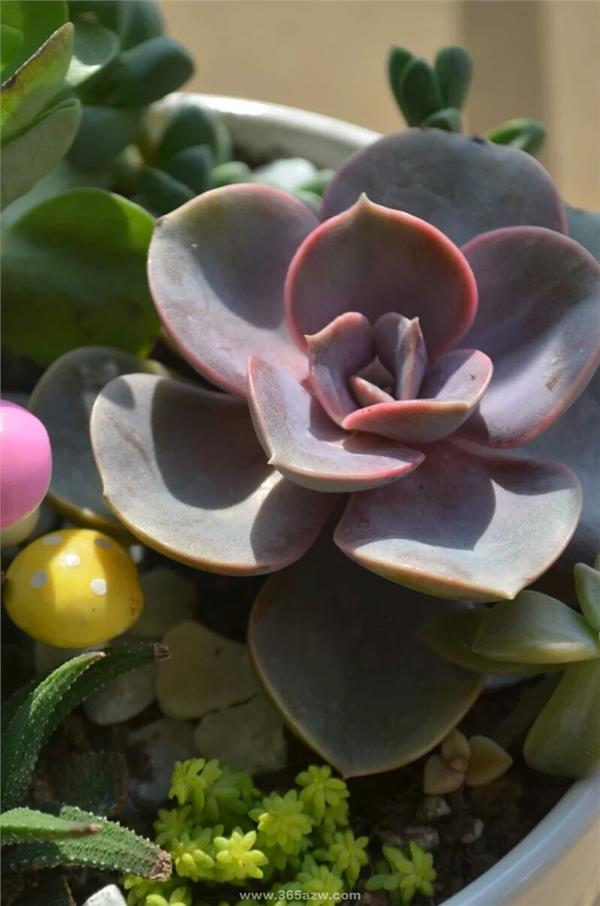
Propagation Techniques
Mainly cutting and division; cutting includes leaf cuttings and stem cuttings.
Leaf cuttings: Lay a complete mature leaf flat on moist sandy soil, with the leaf surface facing up and the back facing down. There is no need to cover it with soil. Place it in a cool, shaded spot. In about 10 days, small leaf clusters and new roots will grow from the base of the leaf. Bury the root system in the soil, then let it get more sunlight and water it appropriately, and it will gradually grow into a robust new plant.
For stem cuttings, you can use offshoot branches or top branches. The length of the cut cuttings is not limited, but after the cut surface dries, remove the lower leaves and insert them into a sand bed to avoid excessive water evaporation. After insertion, they generally root in about 20 days, and can be watered once rooted; before rooting, it is normal for the lower leaves to dry up and shrivel. Once the root system is well developed and water absorption is sufficient, they will naturally recover. The soil should not be too wet, otherwise the cut surface easily turns yellow and rots. When the roots are 2-3 cm long, they can be repotted. Division is best carried out in spring.