What are the cultivation methods and requirements for Swiss chard?
Swiss chard is a fairly easy-to-recognize plant in daily life. It can grow up to about 80 cm tall, with large, thick leaves shaped like little fans. Swiss chard has functions such as replenishing qi and blood, so it is quite commonly used as an ingredient in home cooking. As a result, the sale and cultivation of Swiss chard have always remained in high demand. Clearly, once you grasp the key points, Swiss chard is still very easy to grow. The following is about the cultivation techniques for Swiss chard; after reading it, you may find it helpful for growing Swiss chard.
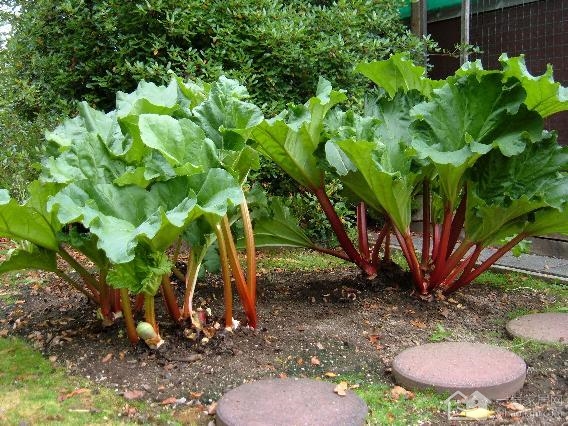
Cultivation of Swiss chard
1. Temperature: Swiss chard generally prefers to grow in a warm and cool climate, and the temperature of the growing area needs to remain between 15-25°C for a long time. Swiss chard seedlings can withstand cold temperatures of minus 5°C, but they have poor resistance to high temperatures. Therefore, when the temperature of the growing environment exceeds 30°C, the growth of Swiss chard will gradually slow down, and in severe cases it will even stop growing.
2. Water: The growth of Swiss chard requires relatively abundant water. When the soil moisture is high and the air humidity is also high, Swiss chard seedlings will grow rapidly and mature earlier than in a low-humidity environment. Swiss chard grown in a high-humidity environment is generally tender in appearance with abundant juice.
3. Fertilization: In terms of fertilization, Swiss chard has great particularities. Nitrogen fertilizer plays the greatest role in promoting the growth of Swiss chard. Usually, Swiss chard grown with nitrogen fertilizer has large, thick leaves, grows rapidly, and has tender and glossy leaf tissue, making it a high-quality variety of Swiss chard.
4. Disease identification: Generally, vegetables such as beet and spinach can all develop a disease called brown spot. The disease occurs over a relatively wide range, so preparations should be made in the early growth stage of Swiss chard. This disease mainly damages the leaves of Swiss chard. When the leaves are damaged by the disease, gray-white or brown areas will appear in the middle part of the leaves. Under high humidity, gray-white mold-like substances will also appear.
5. Conditions for disease occurrence: By understanding the conditions under which Swiss chard diseases occur and avoiding them to a certain extent, the damage to Swiss chard can be greatly reduced. The onset of disease in Swiss chard is strongly related to humidity and temperature. Generally, when the temperature is around 20°C and rainfall is excessive, the disease will occur.
Swiss chard will develop pathological changes under certain specific environments, as we mentioned above. However, many growers only think of solving the problem of plant diseases after the problem has already occurred. By then it is often too late, and the damage has already been done. Therefore, to solve Swiss chard diseases, you must always be prepared and create a good growing environment for the plants.
The above is the relevant introduction in this article. I believe that after reading it, you also have a simple understanding of this. If needed, you can continue to follow No.1 Home Network to learn more information.