Don't Raise Houseplants Carelessly: First, See Which Plants Are Toxic
Plants, like animals, will do whatever it takes to adapt to their environment and protect themselves. Some plants have thorns to protect themselves from being picked; some plants can move, also to protect themselves, such as the mimosa; and most plants choose to protect themselves by being toxic. Around us in daily life, there are many very gorgeous flowers and plants, and the more beautiful the plant, the stronger its toxicity. So, do you know which relatively common toxic plants there are in our daily lives?
Common toxic plants:
1. Black Locust
Black locust (Robinia pseudoacacia) is a toxic plant; eating its fruit and bark can cause dizziness and vomiting.
2. Begonia
Begonia contains a sour taste, and this sourness reacts with stomach acid; eating it will cause stomach pain, and in severe cases, death. Begonia is very beautiful, but it is generally toxic, and the whole plant is toxic, causing various skin allergies and skin erosion, and its toxicity is very strong.
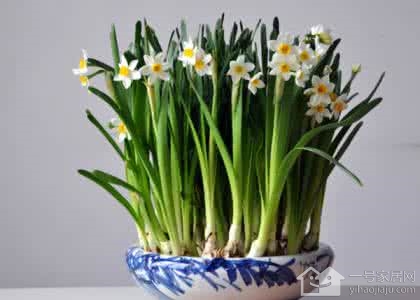
3. Narcissus
Narcissus is also toxic, but not many people know this, and most people like to grow narcissus at home. Narcissus carries the meaning of bringing in wealth and treasure, but the bulb of the narcissus is toxic and can cause gastroenteritis and skin allergies. If it gets into the eyes, it can lead to blindness.
4. Corn Poppy
The corn poppy (Papaver rhoeas) is highly toxic in all its parts and is a very dangerous plant. The corn poppy contains alkaloids that can cause poisoning of the human central nervous system, and it can be life-threatening at any time.
5. Calla Lily
The flower of the calla lily is toxic; the calla lily flower contains calcium oxalate, and if swallowed by mistake, it will cause fainting and poisoning.
6. Lantana
The flowers and leaves of lantana (Lantana camara) are toxic; if eaten by mistake, they will cause severe diarrhea and fever.
7. Datura
Datura (Datura metel) is a wildflower more commonly seen in rural areas; its appearance is nothing unusual, but it is toxic. If children eat it by mistake, it will cause vomiting and fainting.
8. Mimosa
Mimosa (Mimosa pudica) contains mimosine, which can damage the human central nervous system.
9. Cactus Plants
The spines of cacti are generally toxic, but the toxicity is not great; after pricking a person, they only cause pain and itching.
10. Orchid
The orchid is one of the "Four Gentlemen" flowers, but the orchid is also toxic, and its scent can make people overly excited.
There are still many toxic plants in our daily lives, and the lily is one of them. Although the scent of the lily is very fragrant, the fragrance of the lily can make people sleepless and agitated. Besides the common toxic plants around us, there are also many toxic plants in nature. In nature, the more colorful the plant, the greater its toxicity, so when you see brightly colored plants in the wild, be sure not to pick them.
The above is the relevant introduction in this article; I believe that after reading it, you have also gained a simple understanding of this. If you need more, you can continue to follow No. 1 Home Network to learn more information.