How to Grow Hyacinths in Water? Cultivation Methods and Techniques Explained
The hyacinth is a plant of the Liliaceae family and also a bulbous flower. Its flower clusters are full and its colors are diverse. Below, let us take a look together at the cultivation methods and techniques for growing hyacinths in water.
Introduction to the Cultivation Methods and Techniques of Growing Hyacinths in Water
The hyacinth originates from the Netherlands and is a famous world-renowned flower, as celebrated worldwide as the tulip. Main biological characteristics: the hyacinth is a plant of the Liliaceae family and also a bulbous flower. Its flower clusters are full, its colors are diverse, and its roots are pure white. The hyacinth is a perennial bulbous flower; winter and early spring are its growing period and flowering period, while summer is its dormant period, so it is generally cultivated as an annual flower. The hyacinth prefers a warm, humid environment with good air circulation and ample sunlight.
Characteristics
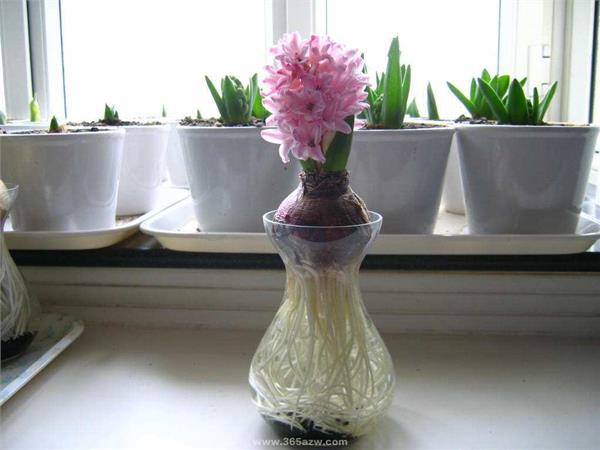
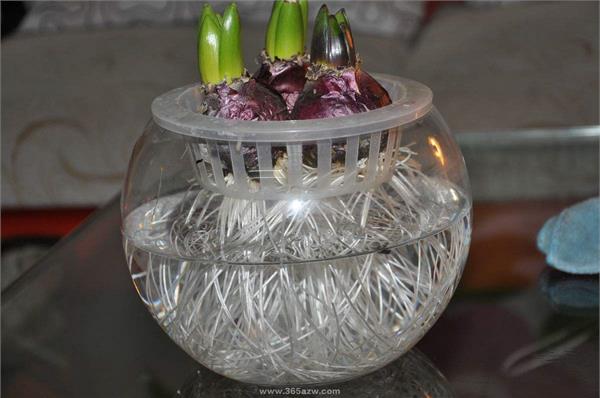
There must be a 1-2CM space between the water level and the base plate of the bulb, so that the root system can breathe and get air. It is strictly forbidden to fill the water so full that it submerges the bottom of the bulb. In December, place the bulb in a wide-mouthed glass bottle with a grid, and add a little charcoal to help with disinfection and preservation. The hyacinth bulb needs only to be immersed up to the bottom of the bulb. Then place it in a dark place and cover the bottle with a black cloth.
Watering
If growing in clean water, change the
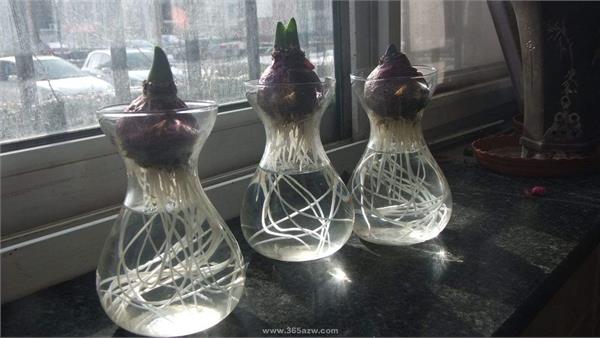
water once every 7 days; if growing with a hydroponic nutrient solution, replace the nutrient solution every 10-15 days depending on the degree of cloudiness. No matter what, the water quality in the bottle must be kept clean. You can grow the hyacinth in a specially made glass bottle shaped like a gourd; in the upper section you can admire its flower cluster. After more than 20 days in this way, the roots will sprout in a completely dark environment, and at this point you can take it outside to receive sunlight.
Environment
Before the bulb sprouts, do not place it under direct sunlight. After sprouting, it should be placed in a bright, well-ventilated spot with sunlight to benefit its growth. At first, give it one to two hours of sunlight per day, then gradually increase to seven or eight hours. If the weather does not change much, it may bloom by the Spring Festival. In the lower section you can see a bundle of thick white roots. This scene of both flowers and roots flourishing together is rarely seen in other flowers and plants besides orchids.
Color
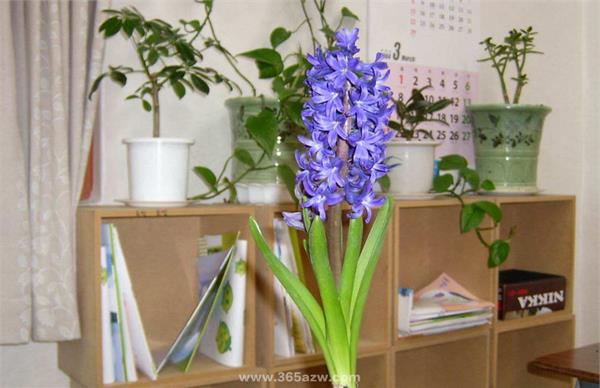
The hyacinth grown in water is one of the easiest flowering ornamental varieties to grow among hydroponic flowers. The hyacinth's flower colors are varied: red like fire, purple intoxicating, yellow dazzling, pink charming, white pure, blue profound. They represent positivity and a love of life. When they bloom, they symbolize the arrival of spring and inspire people. Start growing them in water from November, and they will bloom after about 70-80 days, with a fragrance.
Cultivation Methods
After the first hydroponic growing period, the hyacinth generally finds it very difficult to bloom again the following year, and it needs a year of rest. As for the rest, that means burying it in soil and watering and fertilizing it appropriately, but when it grows a flower cluster, steel yourself and cut off the flower cluster, letting it only grow vegetatively. Before planting, place it in a refrigerator at 4°C in the cold storage compartment for 2 weeks, then grow it in water again, and it will be able to produce beautiful flowers once more.
Before growing in water, disinfection treatment is also needed. After disinfecting, a dedicated hyacinth hydroponic bottle does not need pebbles; if it is a wide-mouthed bottle, put in pebbles, and it is best to let tap water sit overnight before use. Place the bulb on the bottle or on the pebbles.
Key points for hydroponic growing:
(1) Choose a container whose mouth can hold the bulb in place, preferably a gourd-shaped container that is small at the top and large at the bottom, with a transparent glass texture being better. Some household items such as stemmed wine glasses and wine bottles can also be used, and wide-mouthed containers can be used as well. There must be a 1cm-2cm space between the water surface and the bottom of the bulb. Never let the water submerge the bottom of the bulb! (Ensure the roots can breathe freely)
(2) The water temperature should not be high; below 15°C is better. Tap water can be used directly.
(3) Place the bulb on the neck of the bottle. After roots begin to form, the water level can be lowered until the roots just barely touch the water surface. This allows the roots to fully absorb oxygen and promotes the growth of the root hairs. After the roots develop, cover the growing container with a black cloth to let the bulb develop further.
(4) In winter, move the container to a place with ample sunlight to encourage the plant to produce large, robust flowers.
(5) When the leaves and flower buds emerge, give them one to two hours of sunlight daily to make the leaves and flower stems strong and healthy; rotate the direction once a day so that it does not grow leaning to one side. Avoid the "crooked neck" phenomenon.
(6) Before the bulb sprouts, do not place it under direct sunlight.
(7) You can also plant several hyacinths in a fish tank, using sand as the substrate, supplemented with shade-loving ferns, to create a small scene full of rustic charm, which is also very unique.
Using sand as the substrate, supplemented with shade-loving ferns, to create a small scene full of rustic charm, which is also very unique.