What should you pay attention to when watering flowers? Master the correct method
Watering is a very important part of growing flowers, and it has always received widespread attention. So what are the things to note when watering flowers? I believe everyone wants to know the answer to this question. Below, through learning about flower knowledge, we can better apply it to daily life.
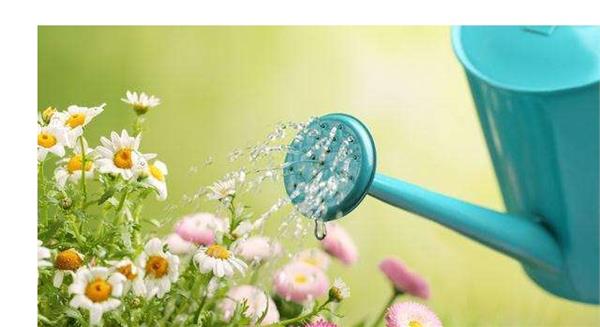
Things to note when growing flowers
(1) Watering in the courtyard
In dry seasons, water must be added to keep the soil moist. In rainy seasons, pay attention to drainage to prevent the roots from suffocating and dying due to waterlogging and lack of oxygen.
When watering, often make sure the difference between water temperature and soil temperature does not exceed 5°C. In summer, water in the early morning and evening; in winter, water around noon.
(2) Watering potted flowers
① Watering principle: dry and wet alternately, do not water when not dry, water as soon as it is dry, and water thoroughly when watering.
Dry and wet alternately means making the soil sometimes dry and sometimes wet. This not only ensures the flowers and plants receive water, but also keeps the potting soil aerated and protects root development.
The standard for dryness is that the upper layer of potting soil is dry, the bottom soil still has some moisture, and the plant grows normally or the leaves briefly wilt at noon.
When flowering plants lack water, the first sign is wilting of the petals. If leaves and flowers show signs of water loss, water must be added immediately to restore vitality.
The principle of watering thoroughly means the amount of water should be enough that water seeps out from the bottom of the pot. Halfway watering, where the upper potting soil is wet and the lower part is dry, is a major taboo in potted flower management. It can cover up the reality of water shortage with the appearance of moist potting soil, causing root death from lack of water. Plants that have been deprived of water are very difficult to revive even if watered again as a rescue.
(3) More or less watering
Water more for herbaceous plants, less for woody plants; water more for moisture-loving flowers, less for drought-loving flowers;
Water more for plants with large, soft leaves, less for plants with small, waxy leaves;
Water more during vigorous growth, less after entering dormancy:
Water more when the plant is large and the pot is small, less when the plant is small and the pot is large;
Water more on balconies, less in courtyards; water more in summer, less in winter; water more when sunny and dry; water less on cloudy days;
Water more during bud formation, less during flowering.
(4) Rescuing drought dehydration and root rot from waterlogging
When woody plants suffer dehydration from long-term drought, the stems and leaves wilt, but the stems still have life. They should first be moved to a shady place to reduce water evaporation from the plant body. Spray water to maintain humidity in the aboveground environment. After watering the roots, do not continuously add water, to prevent root oxygen deficiency. Based on the principle of dry and wet alternately, keep the soil aerated to promote new root growth and restore vitality. For severely dehydrated plants, according to the aboveground growth condition, prune appropriately to help new buds and leaves emerge.
If potting soil has been waterlogged for a long time after prolonged rain and the plant suffers flooding damage, with branches and leaves wilting and losing vigor, the plant must immediately be removed from the pot with soil and placed in a cool, ventilated place to let the root soil moisture dissipate. After 3-5 days, once growth resumes, repot it. During continuous rainy weather, outdoor potted plants can be laid on their sides to avoid water accumulation. After long rainy weather, if it suddenly clears up with strong sunlight, exposing the plant to the sun may damage root growth and cause excessive transpiration from branches and leaves, resulting in severe water loss and death. Therefore, pay attention to strictly controlling water, moving the position, and providing shade for recovery.
What to pay attention to when watering flowers
① Different flowers have different water requirements. For example, succulents such as cacti and cactus balls are relatively drought-tolerant and do not need much watering; while flowers such as crab claw orchid and water lily prefer moist environments and need more water. For the same kind of flower, water appropriately more during the seedling stage; water appropriately less during flower bud differentiation to promote flower bud differentiation.
② Rainwater and river water are best for watering; tap water should be left to stand for several days before watering.
③ Use the spray-watering method. It can not only increase air humidity and promote leaf absorption, but also wash dust off leaf surfaces.
④ Do not water at noon on very hot days. If you forget to water for many days and the plant has already become dehydrated and wilted, never rush to pour a large amount of water. First use a spray bottle to spray the leaves 2-3 times, and after the leaves recover, water a small amount.
The "seven more" and "seven less" principles of watering flowers:
1 Water more for herbaceous plants, less for woody plants
Herbaceous flowers have shallow roots, poor water absorption capacity, high internal water demand, and fast leaf evaporation, so they should be watered more and frequently. Woody flowers have roots that go deep into the soil, are widely distributed, and have strong water absorption, so the amount of watering can be appropriately less.
2 Water more for moisture-loving flowers, less for drought-loving flowers
Moisture-loving flowers such as Monstera deliciosa and Reineckea carnea should be watered more; drought-loving flowers such as cacti, Echeveria, and Nandina domestica should be watered less.
3 Water more for plants with large, soft leaves, less for plants with small, waxy leaves
The larger and softer the leaves, the easier water evaporates, so water more; for flowers with small, waxy leaves, leaf surface water evaporation is slow, so water appropriately less.
4 Water more for sandy soil, less for clay soil
Sandy soil is loose and has poor water retention, so it is suitable to water appropriately more; clay soil is compact, has good water retention and poor aeration, so watering should not be too much or too frequent.
5 Water more in hot weather, less in cold weather
In the hot midsummer, leaf surface water evaporation is high and potting soil dries quickly, so watering should be timely and thorough.
6 Water more in dry weather, less on cloudy days
In dry weather, soil loses water easily, so water more and frequently. Small pots should be watered 2 times a day, and large pots once a day.
7 Water more during the vigorous growth period, less during dormancy
During the vigorous growth period, flowers need a large amount of nutrients and water, so watering should be increased and done frequently along with fertilizing; during the dormant period, growth tends to stall and water demand is very low, so watering should be strictly controlled.
The above is the related introduction in this article. I believe after reading it you also have a simple understanding of this. If needed, you can continue to follow No. 1 Home Network to learn more information.