Is Datura poisonous? A detailed look at its toxicity
Many people learn from films and television that Datura is a poisonous plant. Is that really the case? Let us take a look together at the detailed introduction on whether Datura is poisonous.
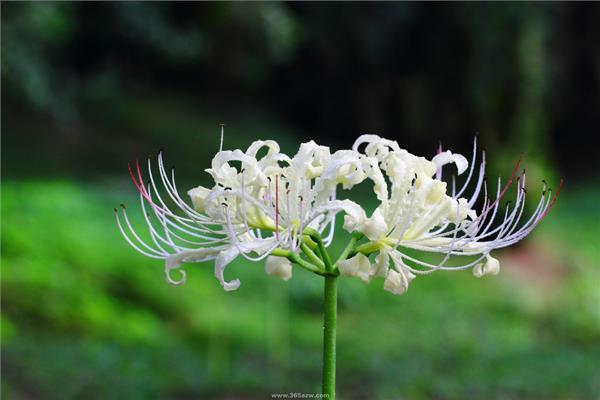
Is Datura poisonous? A detailed introduction
Datura is poisonous, so it must be grown with caution.
The toxicity of the Datura plant is found in almost every part of it, with the fruit and especially the seeds being the most toxic, followed by the young leaves. Dried leaves are less toxic than fresh ones. The toxic components of Datura: it mainly contains scopolamine and hyoscyamine, followed by atropine, apoatropine, noratropine, daturine, tigloidine, datura base, skimminaine, 2,6-dihydroxyhyoscyamine, cuscohygrine and 7-hydroxy-3,6-ditigloyloxytropane. The total alkaloid content is highest at the end of flowering and drops rapidly when the seeds mature. A hemagglutinin has also been isolated from the seeds.
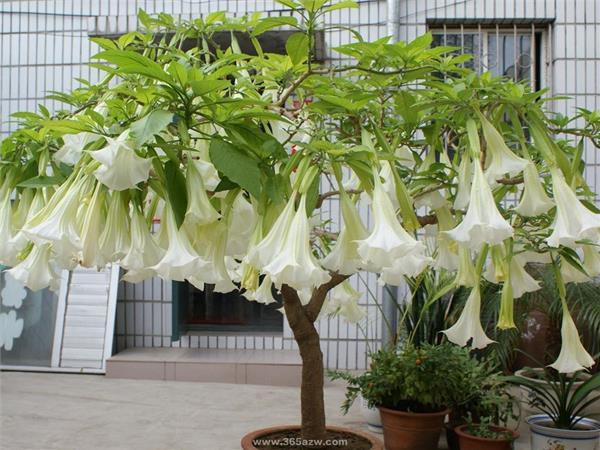
There are also quite a number of cases of Datura poisoning. Poisoned individuals generally show symptoms half an hour after eating, at the earliest 20 minutes, and at the latest no more than 3 hours; the toxic dose varies depending on the route by which the toxin enters the body, age and health status. An adult who eats three fruits can be poisoned; children are more sensitive, and only one tenth of the adult amount, no more than one fruit, or 3 to 4 seeds, is enough to cause poisoning, mostly with acute sudden onset. Poisoned children also show drowsiness. External application of Datura leaves can also cause acute systemic poisoning, with symptoms the same as those from oral ingestion, but symptoms appear sooner than with oral ingestion.
Not only humans can be poisoned; even livestock that eat Datura will be poisoned. Cats are the most sensitive, followed by cattle and horses, while sheep and rabbits have the strongest tolerance. The lethal dose of the above-ground parts of the plant for cattle is 150 to 300 g, for horses 150 to 200 g, and for sheep 75 to 200 g. A horse that eats 1 kg of seeds will die of convulsions the next day. The seeds are especially toxic to ostriches and are also toxic to fish. Recent reports say that poisoning symptoms in sheep include ataxia, spontaneous muscle fasciculation, hyperesthesia, rapid breathing and reduced water intake.
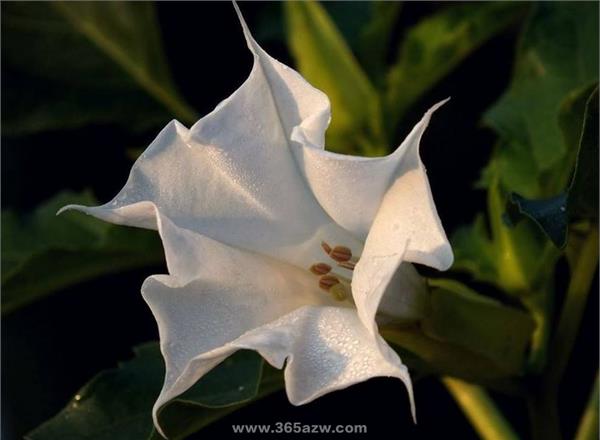
So what symptoms appear after Datura poisoning? Clinical manifestations and incubation period: symptoms often appear half an hour to 1 hour after eating, consisting of inhibition of the parasympathetic nervous system and excitation of the central nervous system, similar to the symptoms of atropine poisoning, including dry mouth, difficulty swallowing, hoarseness, dry skin, flushing, fever, increased heart rate, deepened breathing, elevated blood pressure, headache, dizziness, restlessness, delirium, auditory and visual hallucinations, clouded consciousness, inappropriate laughing and crying, muscle twitching, ataxia or the appearance of paroxysmal twitching and spasms. In addition, there is increased body temperature, constipation, dilated pupils and hyperactive knee reflexes. The above symptoms mostly disappear or largely disappear within 24 hours; in severe cases, after 12 to 24 hours the person enters a stupor, with spasms, cyanosis, and finally coma and death.
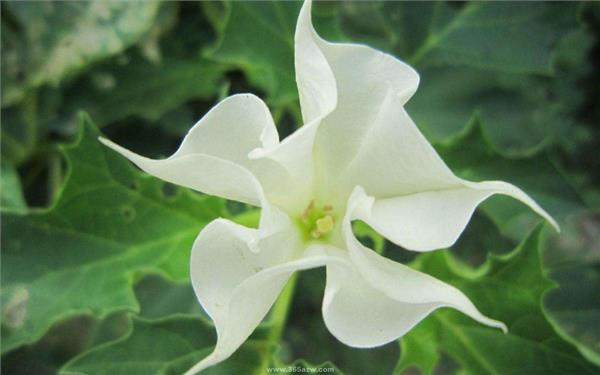
It can thus be seen that Datura is poisonous. Although this plant is very beautiful, its toxicity is quite harmful, so when you see this plant you must not mistakenly eat its fruit, and it is best not to grow such a plant at home, even though this plant is very beautiful.