What are the characteristics and uses of the rose? A detailed explanation in one article
The rose not only has a long history but is also widely used; its edible value, medicinal value, and industrial value are all enormous. Below, let us take a look together at a detailed introduction to the characteristics and uses of the rose.
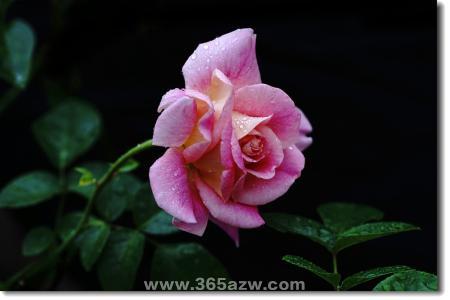
A detailed introduction to the characteristics and uses of the rose
Unlike other flowers, whose blooming and fragrance last no more than ten days, the rose can bloom in all four seasons. One flower has just opened its stamens, while another sweeps in with a mighty momentum, dominating the branches. Yet the best is always still to come; perhaps the next flower will catch people's eyes with some new posture, whether coldly elegant and noble, or gracefully dancing.
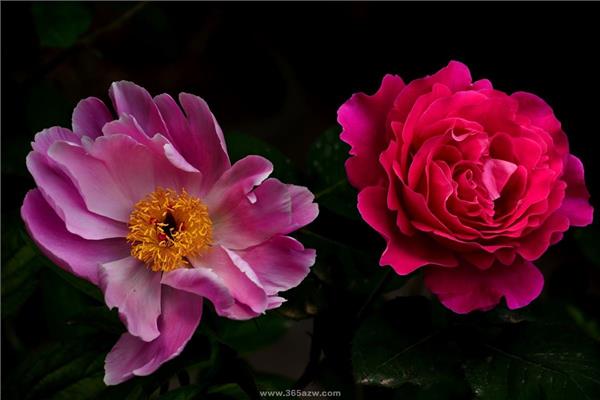
Look at it: the colors of the petals are so rich and varied. Some are white with a blush of red, some are soft pink and plain, and others are bright and striking, blooming in a lively display. The leaves are also layered in overlapping tiers, mostly dark green, smooth and hairless on the surface, with clear and distinct veins. When a gust of wind blows past, flowers and leaves sway together in a scene both beautiful and moving.
Many people know that roses are pleasing to the eye and therefore use them for decoration, not realizing that their medicinal value is also immeasurable. If women experience problems such as lower abdominal pain or dry stools during menstruation, or merely a small flow with pale color, they can gather 10 grams of rose flowers, together with 10 grams each of angelica, salvia, and white peony, add a little brown sugar, and decoct in clear water. Take it starting 3 days before each menstrual period; an egg can also be added and boiled together, ensuring that the remedy works.
I. Characteristics of the rose
1. It has strong cold resistance and can tolerate low temperatures of -15 degrees.
2. The flower shape is mostly rather small and delicate, and the petals are generally 5 in number.
3. It has a sweet scent, and the thorns on the branches are few and large, making them easy to see.
4. The rose blooms in all four seasons, so it is hailed as the "Queen of Flowers."
II. The rose has strong medicinal value
1. When women experience amenorrhea or scant, pale, and light menstruation, lower abdominal pain, accompanied by poor spirits and dry bound stools, or when the above symptoms appear during the menstrual period, treatment with Shengchun decoction is effective.
2. The combination of rose and bitter orange flower is an even better prescription for treating menstrual disorders caused by disharmony of qi and blood. Use 15 g each of rose and bitter orange flower, decoct in water and take. The rose is strong at invigorating blood, while the bitter orange flower tends more toward moving qi.
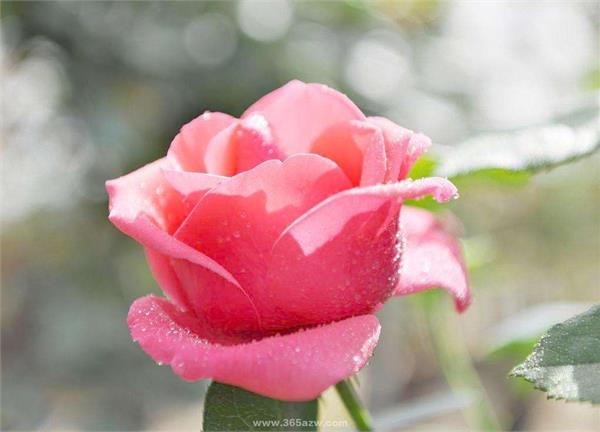
3. Steep 20 g of fresh rose in boiling water and drink it to treat irregular menstruation or abdominal pain during menstruation.
III. The rose enriches our recipes
Rose congee: requires 100 grams of japonica rice, 50 grams of longan flesh, 30 grams of rose flowers, and 50 grams of honey.
Rose soup: requires 50 grams of rose flowers, 30 grams of rock sugar, and 10 grams of yellow wine.
Rose tea: prevents and treats irregular menstruation or dysmenorrhea in women.
Rose rock sugar drink: treats cough with blood-streaked sputum due to lung deficiency, effective when taken continuously, and prevents and treats high blood viscosity.
Rose white liquor drink: treats muscle and bone pain, bruises and injuries, swollen and painful feet and knees, and prevents and treats high blood viscosity.
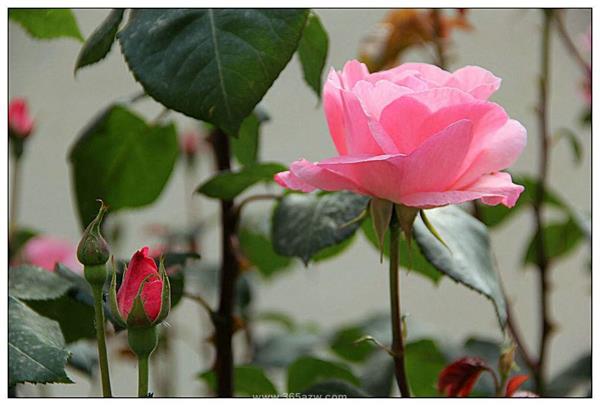
The rose is an erect shrub, 1-2 m tall; branchlets stout, cylindrical, nearly hairless, with short, thick hooked prickles. Leaflets 3-5, rarely 7, together with the petiole 5-11 cm long; leaflets broadly ovate to ovate-oblong, 2.5-6 cm long, 1-3 cm wide, apex long acuminate or acuminate, base nearly rounded or broadly cuneate, margin sharply serrate, nearly hairless on both surfaces, dark green and often glossy above, lighter below; terminal leaflet stalked, lateral leaflets nearly sessile; rachis relatively long, with scattered prickles and glandular hairs; stipules mostly adnate to the petiole, only the free apical portion ear-shaped, margin often glandular-hairy.
Flowers several in clusters, rarely solitary, 4-5 cm in diameter; pedicel 2.5-6 cm long, nearly hairless or glandular-hairy; sepals ovate, apex caudate-acuminate, sometimes leaf-like, margin often pinnately lobed, rarely entire, outer surface hairless, inner surface densely covered with long soft hairs; petals double to semi-double, red, pink to white, obovate, apex emarginate, base cuneate; styles free, exserted beyond the mouth of the hypanthium, about as long as the stamens. Fruit ovoid or pear-shaped, 1-2 cm long, red, sepals deciduous. Florescence April-September, fruiting period June-November.