Camellia Growing Methods and Precautions: A Detailed Guide
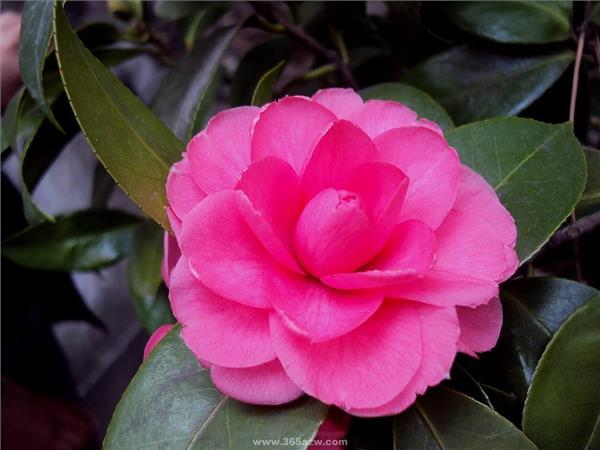
Camellia, also known as camellia or camellia flower, is a shrub or small tree in the genus Camellia of the family Theaceae. Let us take a look below at a detailed guide to camellia growing methods and precautions.
Camellia Growing Methods and Precautions: A Detailed Guide
Camellia Growing Methods
First, temperature considerations. Camellia is neither cold-tolerant nor heat-tolerant, and its most suitable temperature is 18-25 degrees, so the ambient temperature must not be too high or too low, otherwise its growth will be affected. Pay special attention in winter: the indoor temperature must be above 3 degrees; if it falls below 0 degrees, the plant will suffer frost damage.
Second, light conditions. Camellia dislikes strong light, so sunlight must be carefully managed when planting. In spring and autumn, ample light is required, but in summer, direct sunlight must be avoided. If camellia is exposed to strong light for too long, it can easily die. If conditions allow, moving it under a shade frame is best.
Third, key points of fertilizing. Camellia is relatively fond of fertilizer, so special attention must be paid to fertilizer use throughout the entire growing process, for example adding phosphorus and potassium fertilizer when potting up. But fertilizing also has limits and must never be excessive. Generally, fertilize about 3 times during the nearly half year after flowering, and once in winter is enough. To make the flowers more beautiful, it is best to include more phosphorus fertilizer in the mix.
Fourth, watering matters. Camellia likes a moist environment, so special attention must be paid: it must not be too dry, not too wet, and not alternately dry and wet. Generally in spring, water more, which helps sprouting; in summer, water twice a day, morning and evening, and preferably splash water onto the leaf surface. Never water when the plant is at high temperature. Autumn is the same as spring, but in winter watering must be handled carefully. It is best to water before and after the plant, and do not water every day; preferably once every two or three days.
Fifth, pruning of flowering branches. Pruning camellia is very important. Generally, branches that affect the tree shape and diseased or weak branches are cut off, and flower buds are also tidied. Once flower buds are too dense, they should also be thinned out. After flowers fade, they should be removed promptly, which can reduce nutrient consumption.
Sixth, repotting camellia. Many people overlook this point; many plant it and then never repot it, which is actually very wrong. Camellia generally needs repotting once every two years, and it should be moved into a larger pot, which benefits its growth. The timing of repotting requires special attention; it is best in April. When repotting, note that you should not remove all the old soil, and also add a small amount of base fertilizer, then water.
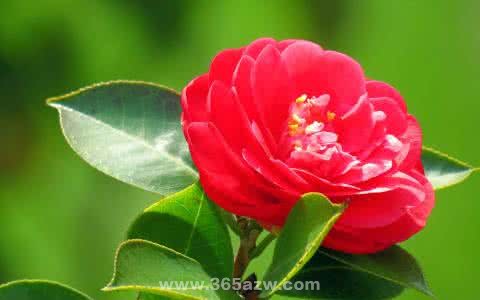
Seventh, prevention and control of diseases and pests. Camellia is very prone to illness, and there are mainly two common diseases - black mold and anthracnose. In this case, simply spray 0.5-degree Bordeaux mixture. The main pest of camellia is the tea shoot borer; at this time, mainly pruning away the infested shoots is enough.
Eighth, soil requirements. Soil is the foundation of camellia growth, and all nutrients and so on are obtained by camellia from the soil, so the requirements for soil are quite high. Generally its soil has high humus content, with a pH between 5-6.5, slightly acidic. Its optimal soil mix is: 50% mountain soil, 40% sawdust or spent mushroom substrate, and 10% cake fertilizer powder or livestock manure plus phosphorus fertilizer powder.
Ninth, air circulation. The place where camellia grows has extremely high requirements for air circulation. It grows best in a gentle breeze, but camellia is very afraid of northwest winds and strong winds, because northwest winds and strong winds easily cause water to evaporate too quickly, making camellia's supply and demand lose balance, which is not conducive to its growth.
Next, the editor will introduce camellia propagation.
First type, sowing
Sowing technology is very common in many professional growing gardens, mainly used for breeding new varieties. Generally speaking, when using this method, seeds are collected in December, sown in February-March, and bloom after 3-4 years. When sowing, the soil covering thickness is about 2 cm. They will sprout in one month to one and a half months, and can be transplanted in the spring of the second year.
Second type, cuttings
This technique can be said to be the most widely used method now. Generally in spring, tender branches from the tree are taken for cuttings. But one point must be noted: before inserting the cuttings, the base of the cuttings needs to be soaked in naphthalene acetic acid solution for about 10 hours, which can greatly increase the rooting rate. After inserting, spray water and shade, and never let strong light shine directly on them. Keep air humidity between 85%-95% and the surrounding temperature at 25-30 degrees. In this way, about one month after insertion, new roots will form at the base of the cuttings. At this time, gradually reduce shading and increase light. When the seedlings are 50-80 cm tall, they can be planted out.
Third type, grafting
This technique is somewhat difficult and not something ordinary people can do. The grafting time is generally better from early April to late September. Grafting has many advantages and can artificially improve varieties, but the technical requirements are very high, so it is not recommended for home growers doing it themselves.
Fourth type, tissue culture
Tissue culture technology is relatively cumbersome. Generally its explants include anthers, seed embryos, buds, etc., and it is usually divided into juvenile and mature types. The culture solutions for the two are different. For juvenile types, 0.5-1.0 mg/L of 6-benzylaminopurine can be used; for mature types, WPM plus 2.0 mg/L of 6-benzylaminopurine and 0.01 mg/L. In this method, the main thing to pay attention to is the rooting method. The specific procedure is: soak the base of tender shoots in 1 mg/L indolebutyric acid solution for 15-20 minutes, then inoculate them onto a basic medium without growth substances, carry out dark treatment for 10-15 days, and after rooting, transplant and harden off after 20-30 days.
Camellia Growing Tips 1. How should pruning be done? When to prune?
Camellia grows relatively slowly, so do not prune excessively. Simply remove unwanted buds. During the flowering period, generally not all flower buds should be retained; they can be adjusted manually, paying attention to the spacing between flowers.
Camellia Growing Tips 2. When should camellia be repotted?
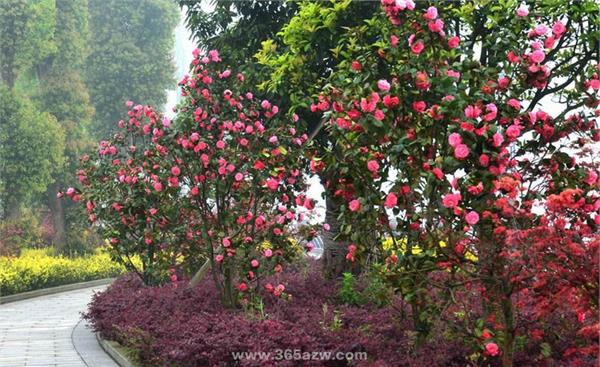
The repotting time for potted camellia is generally in spring. It can be repotted once a year or once every two years, and fresh soil should be used. The new pot is best a little larger than the original one, which benefits camellia growth.
Camellia Growing Tips 3. How should camellia diseases and pests be prevented?
Camellia is beautiful but also prone to illness, mainly anthracnose, black mold, and so on. Spraying 0.5-degree Bordeaux mixture can be used for prevention and control, and diseased branches can also be cut off.
Camellia Growing Tips 4. In what temperature environment should the flowers be placed?
Camellia is generally placed in an environment of 15-25 degrees Celsius. If the winter temperature is too low, camellia is easily frozen, and growers need to take warming measures. In summer, if the temperature is too high, to prevent camellia from dehydrating, water should often be sprayed on the leaf surface, and shading treatment should be carried out when necessary.
Camellia Growing Tips 5. What kind of soil should be chosen for planting?
Camellia prefers slightly acidic soil. The soil should be loose and have good water absorption and drainage. Fertilizing should keep up, adding new fertilizer at the right time, which benefits the growth of camellia roots.
Camellia, also known as camellia or camellia flower, is a shrub or small tree in the genus Camellia of the family Theaceae. Let us take a look below at a detailed guide to camellia growing methods and precautions.
Camellia Growing Methods and Precautions: A Detailed Guide
Camellia Growing Methods
First, temperature considerations. Camellia is neither cold-tolerant nor heat-tolerant, and its most suitable temperature is 18-25 degrees, so the ambient temperature must not be too high or too low, otherwise its growth will be affected. Pay special attention in winter: the indoor temperature must be above 3 degrees; if it falls below 0 degrees, the plant will suffer frost damage.
Second, light conditions. Camellia dislikes strong light, so sunlight must be carefully managed when planting. In spring and autumn, ample light is required, but in summer, direct sunlight must be avoided. If camellia is exposed to strong light for too long, it can easily die. If conditions allow, moving it under a shade frame is best.
Third, key points of fertilizing. Camellia is relatively fond of fertilizer, so special attention must be paid to fertilizer use throughout the entire growing process, for example adding phosphorus and potassium fertilizer when potting up. But fertilizing also has limits and must never be excessive. Generally, fertilize about 3 times during the nearly half year after flowering, and once in winter is enough. To make the flowers more beautiful, it is best to include more phosphorus fertilizer in the mix.
Fourth, watering matters. Camellia likes a moist environment, so special attention must be paid: it must not be too dry, not too wet, and not alternately dry and wet. Generally in spring, water more, which helps sprouting; in summer, water twice a day, morning and evening, and preferably splash water onto the leaf surface. Never water when the plant is at high temperature. Autumn is the same as spring, but in winter watering must be handled carefully. It is best to water before and after the plant, and do not water every day; preferably once every two or three days.
Fifth, pruning of flowering branches. Pruning camellia is very important. Generally, branches that affect the tree shape and diseased or weak branches are cut off, and flower buds are also tidied. Once flower buds are too dense, they should also be thinned out. After flowers fade, they should be removed promptly, which can reduce nutrient consumption.
Sixth, repotting camellia. Many people overlook this point; many plant it and then never repot it, which is actually very wrong. Camellia generally needs repotting once every two years, and it should be moved into a larger pot, which benefits its growth. The timing of repotting requires special attention; it is best in April. When repotting, note that you should not remove all the old soil, and also add a small amount of base fertilizer, then water.
Seventh, prevention and control of diseases and pests. Camellia is very prone to illness, and there are mainly two common diseases - black mold and anthracnose. In this case, simply spray 0.5-degree Bordeaux mixture. The main pest of camellia is the tea shoot borer; at this time, mainly pruning away the infested shoots is enough.
Eighth, soil requirements. Soil is the foundation of camellia growth, and all nutrients and so on are obtained by camellia from the soil, so the requirements for soil are quite high. Generally its soil has high humus content, with a pH between 5-6.5, slightly acidic. Its optimal soil mix is: 50% mountain soil, 40% sawdust or spent mushroom substrate, and 10% cake fertilizer powder or livestock manure plus phosphorus fertilizer powder.
Ninth, air circulation. The place where camellia grows has extremely high requirements for air circulation. It grows best in a gentle breeze, but camellia is very afraid of northwest winds and strong winds, because northwest winds and strong winds easily cause water to evaporate too quickly, making camellia's supply and demand lose balance, which is not conducive to its growth.
Next, the editor will introduce camellia propagation.
First type, sowing
Sowing technology is very common in many professional growing gardens, mainly used for breeding new varieties. Generally speaking, when using this method, seeds are collected in December, sown in February-March, and bloom after 3-4 years. When sowing, the soil covering thickness is about 2 cm. They will sprout in one month to one and a half months, and can be transplanted in the spring of the second year.
Second type, cuttings
This technique can be said to be the most widely used method now. Generally in spring, tender branches from the tree are taken for cuttings. But one point must be noted: before inserting the cuttings, the base of the cuttings needs to be soaked in naphthalene acetic acid solution for about 10 hours, which can greatly increase the rooting rate. After inserting, spray water and shade, and never let strong light shine directly on them. Keep air humidity between 85%-95% and the surrounding temperature at 25-30 degrees. In this way, about one month after insertion, new roots will form at the base of the cuttings. At this time, gradually reduce shading and increase light. When the seedlings are 50-80 cm tall, they can be planted out.
Third type, grafting
This technique is somewhat difficult and not something ordinary people can do. The grafting time is generally better from early April to late September. Grafting has many advantages and can artificially improve varieties, but the technical requirements are very high, so it is not recommended for home growers doing it themselves.
Fourth type, tissue culture
Tissue culture technology is relatively cumbersome. Generally its explants include anthers, seed embryos, buds, etc., and it is usually divided into juvenile and mature types. The culture solutions for the two are different. For juvenile types, 0.5-1.0 mg/L of 6-benzylaminopurine can be used; for mature types, WPM plus 2.0 mg/L of 6-benzylaminopurine and 0.01 mg/L. In this method, the main thing to pay attention to is the rooting method. The specific procedure is: soak the base of tender shoots in 1 mg/L indolebutyric acid solution for 15-20 minutes, then inoculate them onto a basic medium without growth substances, carry out dark treatment for 10-15 days, and after rooting, transplant and harden off after 20-30 days.
Camellia Growing Tips 1. How should pruning be done? When to prune?
Camellia grows relatively slowly, so do not prune excessively. Simply remove unwanted buds. During the flowering period, generally not all flower buds should be retained; they can be adjusted manually, paying attention to the spacing between flowers.
Camellia Growing Tips 2. When should camellia be repotted?
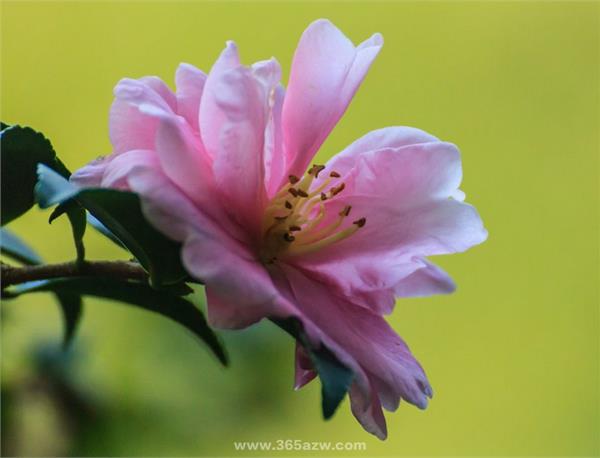
The repotting time for potted camellia is generally in spring. It can be repotted once a year or once every two years, and fresh soil should be used. The new pot is best a little larger than the original one, which benefits camellia growth.
Camellia Growing Tips 3. How should camellia diseases and pests be prevented?
Camellia is beautiful but also prone to illness, mainly anthracnose, black mold, and so on. Spraying 0.5-degree Bordeaux mixture can be used for prevention and control, and diseased branches can also be cut off.
Camellia Growing Tips 4. In what temperature environment should the flowers be placed?
Camellia is generally placed in an environment of 15-25 degrees Celsius. If the winter temperature is too low, camellia is easily frozen, and growers need to take warming measures. In summer, if the temperature is too high, to prevent camellia from dehydrating, water should often be sprayed on the leaf surface, and shading treatment should be carried out when necessary.
Camellia Growing Tips 5. What kind of soil should be chosen for planting?
Camellia prefers slightly acidic soil. The soil should be loose and have good water absorption and drainage. Fertilizing should keep up, adding new fertilizer at the right time, which benefits the growth of camellia roots.
Camellia Growing Tips 1. How should pruning be done? When to prune?
Camellia grows relatively slowly, so do not prune excessively. Simply remove unwanted buds. During the flowering period, generally not all flower buds should be retained; they can be adjusted manually, paying attention to the spacing between flowers.
Camellia Growing Tips 2. When should camellia be repotted?
The repotting time for potted camellia is generally in spring. It can be repotted once a year or once every two years, and fresh soil should be used. The new pot is best a little larger than the original one, which benefits camellia growth.
Camellia Growing Tips 3. How should camellia diseases and pests be prevented?
Camellia is beautiful but also prone to illness, mainly anthracnose, black mold, and so on. Spraying 0.5-degree Bordeaux mixture can be used for prevention and control, and diseased branches can also be cut off.
Camellia Growing Tips 4. In what temperature environment should the flowers be placed?
Camellia is generally placed in an environment of 15-25 degrees Celsius. If the winter temperature is too low, camellia is easily frozen, and growers need to take warming measures. In summer, if the temperature is too high, to prevent camellia from dehydrating, water should often be sprayed on the leaf surface, and shading treatment should be carried out when necessary.
Camellia Growing Tips 5. What kind of soil should be chosen for planting?
Camellia prefers slightly acidic soil. The soil should be loose and have good water absorption and drainage. Fertilizing should keep up, adding new fertilizer at the right time, which benefits the growth of camellia roots.
Camellia, also known as camellia or camellia flower, is a shrub or small tree in the genus Camellia of the family Theaceae. Let us take a look below at a detailed guide to camellia growing methods and precautions.
Camellia Growing Methods and Precautions: A Detailed Guide
Camellia Growing Methods
First, temperature considerations. Camellia is neither cold-tolerant nor heat-tolerant, and its most suitable temperature is 18-25 degrees, so the ambient temperature must not be too high or too low, otherwise its growth will be affected. Pay special attention in winter: the indoor temperature must be above 3 degrees; if it falls below 0 degrees, the plant will suffer frost damage.
Second, light conditions. Camellia dislikes strong light, so sunlight must be carefully managed when planting. In spring and autumn, ample light is required, but in summer, direct sunlight must be avoided. If camellia is exposed to strong light for too long, it can easily die. If conditions allow, moving it under a shade frame is best.
Third, key points of fertilizing. Camellia is relatively fond of fertilizer, so special attention must be paid to fertilizer use throughout the entire growing process, for example adding phosphorus and potassium fertilizer when potting up. But fertilizing also has limits and must never be excessive. Generally, fertilize about 3 times during the nearly half year after flowering, and once in winter is enough. To make the flowers more beautiful, it is best to include more phosphorus fertilizer in the mix.
Fourth, watering matters. Camellia likes a moist environment, so special attention must be paid: it must not be too dry, not too wet, and not alternately dry and wet. Generally in spring, water more, which helps sprouting; in summer, water twice a day, morning and evening, and preferably splash water onto the leaf surface. Never water when the plant is at high temperature. Autumn is the same as spring, but in winter watering must be handled carefully. It is best to water before and after the plant, and do not water every day; preferably once every two or three days.
Fifth, pruning of flowering branches. Pruning camellia is very important. Generally, branches that affect the tree shape and diseased or weak branches are cut off, and flower buds are also tidied. Once flower buds are too dense, they should also be thinned out. After flowers fade, they should be removed promptly, which can reduce nutrient consumption.
Sixth, repotting camellia. Many people overlook this point; many plant it and then never repot it, which is actually very wrong. Camellia generally needs repotting once every two years, and it should be moved into a larger pot, which benefits its growth. The timing of repotting requires special attention; it is best in April. When repotting, note that you should not remove all the old soil, and also add a small amount of base fertilizer, then water.
Seventh, prevention and control of diseases and pests. Camellia is very prone to illness, and there are mainly two common diseases - black mold and anthracnose. In this case, simply spray 0.5-degree Bordeaux mixture. The main pest of camellia is the tea shoot borer; at this time, mainly pruning away the infested shoots is enough.
Eighth, soil requirements. Soil is the foundation of camellia growth, and all nutrients and so on are obtained by camellia from the soil, so the requirements for soil are quite high. Generally its soil has high humus content, with a pH between 5-6.5, slightly acidic. Its optimal soil mix is: 50% mountain soil, 40% sawdust or spent mushroom substrate, and 10% cake fertilizer powder or livestock manure plus phosphorus fertilizer powder.
Ninth, air circulation. The place where camellia grows has extremely high requirements for air circulation. It grows best in a gentle breeze, but camellia is very afraid of northwest winds and strong winds, because northwest winds and strong winds easily cause water to evaporate too quickly, making camellia's supply and demand lose balance, which is not conducive to its growth.
Next, the editor will introduce camellia propagation.
First type, sowing
Sowing technology is very common in many professional growing gardens, mainly used for breeding new varieties. Generally speaking, when using this method, seeds are collected in December, sown in February-March, and bloom after 3-4 years. When sowing, the soil covering thickness is about 2 cm. They will sprout in one month to one and a half months, and can be transplanted in the spring of the second year.
Second type, cuttings
This technique can be said to be the most widely used method now. Generally in spring, tender branches from the tree are taken for cuttings. But one point must be noted: before inserting the cuttings, the base of the cuttings needs to be soaked in naphthalene acetic acid solution for about 10 hours, which can greatly increase the rooting rate. After inserting, spray water and shade, and never let strong light shine directly on them. Keep air humidity between 85%-95% and the surrounding temperature at 25-30 degrees. In this way, about one month after insertion, new roots will form at the base of the cuttings. At this time, gradually reduce shading and increase light. When the seedlings are 50-80 cm tall, they can be planted out.
Third type, grafting
This technique is somewhat difficult and not something ordinary people can do. The grafting time is generally better from early April to late September. Grafting has many advantages and can artificially improve varieties, but the technical requirements are very high, so it is not recommended for home growers doing it themselves.
Fourth type, tissue culture
Tissue culture technology is relatively cumbersome. Generally its explants include anthers, seed embryos, buds, etc., and it is usually divided into juvenile and mature types. The culture solutions for the two are different. For juvenile types, 0.5-1.0 mg/L of 6-benzylaminopurine can be used; for mature types, WPM plus 2.0 mg/L of 6-benzylaminopurine and 0.01 mg/L. In this method, the main thing to pay attention to is the rooting method. The specific procedure is: soak the base of tender shoots in 1 mg/L indolebutyric acid solution for 15-20 minutes, then inoculate them onto a basic medium without growth substances, carry out dark treatment for 10-15 days, and after rooting, transplant and harden off after 20-30 days.
Camellia Growing Tips 1. How should pruning be done? When to prune?
Camellia grows relatively slowly, so do not prune excessively. Simply remove unwanted buds. During the flowering period, generally not all flower buds should be retained; they can be adjusted manually, paying attention to the spacing between flowers.
Camellia Growing Tips 2. When should camellia be repotted?
The repotting time for potted camellia is generally in spring. It can be repotted once a year or once every two years, and fresh soil should be used. The new pot is best a little larger than the original one, which benefits camellia growth.
Camellia Growing Tips 3. How should camellia diseases and pests be prevented?
Camellia is beautiful but also prone to illness, mainly anthracnose, black mold, and so on. Spraying 0.5-degree Bordeaux mixture can be used for prevention and control, and diseased branches can also be cut off.
Camellia Growing Tips 4. In what temperature environment should the flowers be placed?
Camellia is generally placed in an environment of 15-25 degrees Celsius. If the winter temperature is too low, camellia is easily frozen, and growers need to take warming measures. In summer, if the temperature is too high, to prevent camellia from dehydrating, water should often be sprayed on the leaf surface, and shading treatment should be carried out when necessary.
Camellia Growing Tips 5. What kind of soil should be chosen for planting?
Camellia prefers slightly acidic soil. The soil should be loose and have good water absorption and drainage. Fertilizing should keep up, adding new fertilizer at the right time, which benefits the growth of camellia roots.