Is Kalanchoe poisonous? Detailed guide to growing it
Kalanchoe flowers are dense and brilliantly colored, giving an excellent ornamental effect. But some people dare not buy or grow Kalanchoe casually. Below, let us take a look at whether Kalanchoe is poisonous and a detailed guide to growing it.
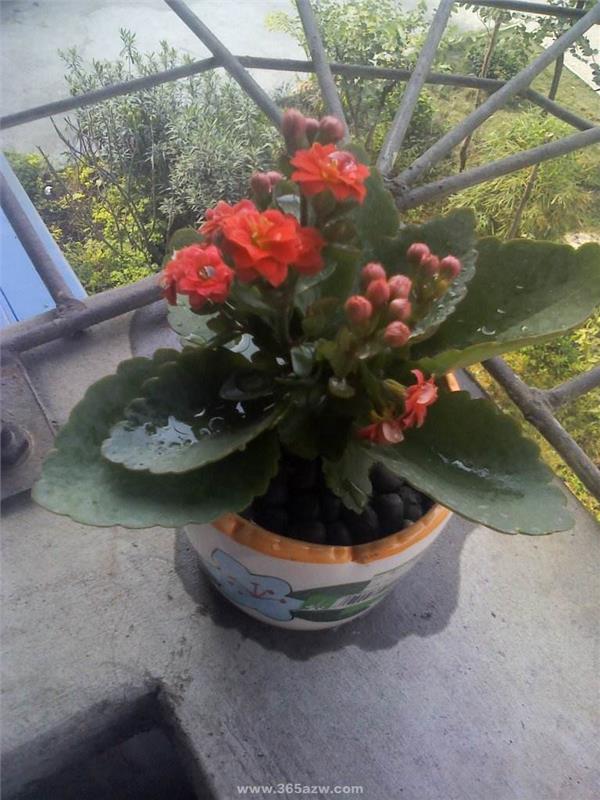
Is Kalanchoe poisonous and a detailed guide to growing it
Is Kalanchoe poisonous?
It is not poisonous.
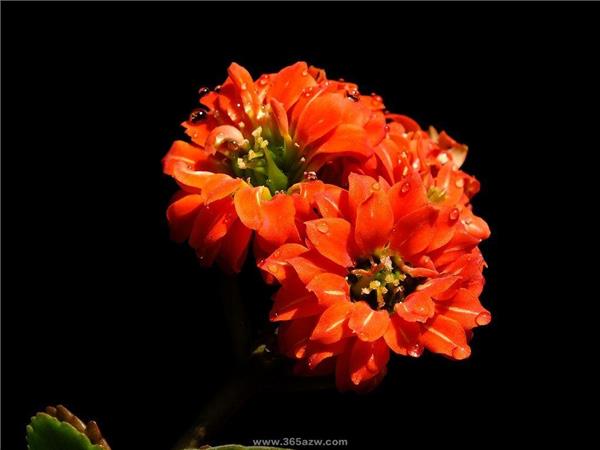
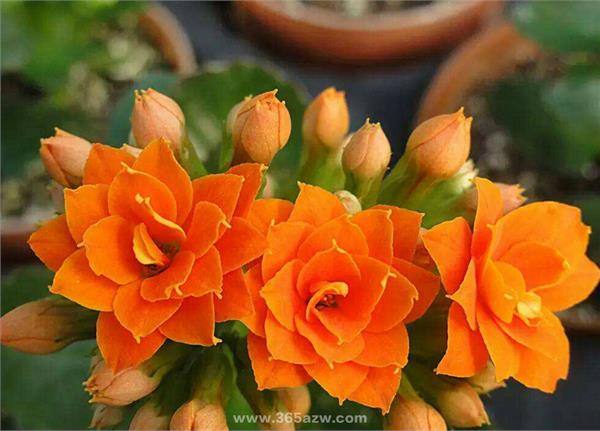
Kalanchoe is a succulent plant that produces a large number of flowers; each flowering stem can carry as many as dozens of flowers, and the flowering period lasts more than 4 months, which is why it is named "longevity flower." The flowering period of Kalanchoe coincides with Christmas, New Year's Day and the Spring Festival, and its ornamental effect is excellent, so growing Kalanchoe indoors can beautify the environment and also add a festive atmosphere to the winter holidays. Because its flowers are especially bright and colorful, many people mistakenly think Kalanchoe is poisonous. In fact, Kalanchoe is harmless to the human body and is a relatively good indoor ornamental flower for winter and spring.
After consulting a large amount of materials and online resources, we learned that Kalanchoe belongs to a healthy category of flowers. As long as it is cared for carefully and not mistakenly eaten in large quantities, it will not cause harm. Kalanchoe is not only non-toxic, but placing a few pots of it in a newly renovated house can also absorb harmful gases. Because of its name "longevity" and because its flowering period coincides with Christmas, New Year's Day and the Spring Festival, it is an ideal potted flower for giving to relatives, friends and elders during New Year's Day and the Spring Festival. Therefore, giving a pot of Kalanchoe to relatives and friends during the holidays means great good fortune and long life, making it suitable and likable.
Can Kalanchoe be grown at home if there is a pregnant woman?
It can be grown.
Keeping some flowers and plants at home can not only beautify the environment, add pleasure to life and adjust one's mood, but can also purify the air and protect the environment. Seeing the flowers and plants you have worked hard to grow bloom and bear fruit gives you an indescribable feeling of joy.
The Kalanchoe plant is small and delicate, with a compact shape, emerald green leaves and dense flowers. Its flowering period is long and can be controlled. When arranged on desks, tabletops, public flower troughs, display windows and halls, its overall ornamental effect is excellent, making it a popular and excellent indoor potted flower. When grown indoors in pots for viewing, it offers both foliage and flowers. It can also be used in flower beds in autumn. The whole plant is used as medicine. It has the effects of reducing fever, dispersing blood stasis, detoxifying and stopping bleeding. With a Kalanchoe that is both beautiful and practical, how could you not be tempted to grow it?
Pregnant women have a vigorous metabolism. The room needs sufficient oxygen. Although some flowers and plants absorb carbon dioxide from the air and release oxygen during photosynthesis in the daytime, at night plants also "breathe," absorbing oxygen from the air and releasing carbon dioxide, which can take away oxygen in the room, such as with night-blooming jasmine and lilac, thus creating a problem of "competing for oxygen" with a sleeping pregnant woman. This is very unfavorable to the health of the pregnant woman and the fetus. Kalanchoe absorbs oxygen and releases carbon dioxide during the day, and at night absorbs carbon dioxide and releases oxygen, making it very suitable for placement in the bedroom at night. In this way, it not only will not compete with the pregnant woman for oxygen, but can also supplement the indoor oxygen content. Moreover, Kalanchoe is non-toxic and has no fragrance, making it very suitable for pregnant women to grow. Growing flowers can cultivate the mind, which is quite good.
Can Kalanchoe be grown at home if there is a baby?
It can be grown.
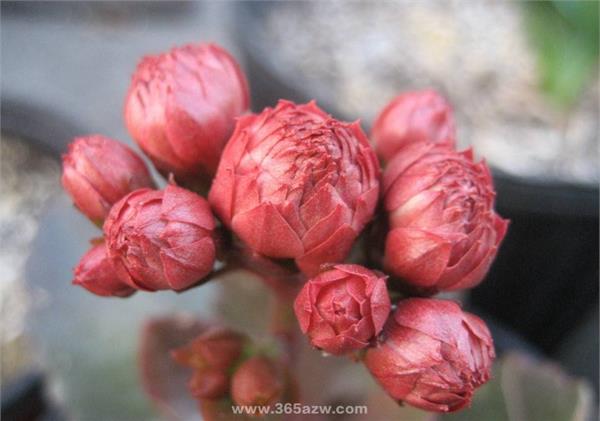
Kalanchoe belongs to the Crassulaceae family and the Kalanchoe genus. It is also known as Shouxing flower, false water lotus, Christmas kalanchoe and Christmas kalanchoe. It is native to the island of Madagascar in Africa. It likes a warm and humid environment and is not cold-tolerant. It is a relatively easy potted flower to grow. The Kalanchoe plant is small, with dense emerald green leaves and richly colored flowers. In addition, the leaves of Kalanchoe are thick and fleshy, densely dark green and glossy, with high ornamental value. When it is not flowering, you can still enjoy its leaves, making it a very ideal indoor potted flower. Kalanchoe is harmless to the human body and is a relatively good indoor ornamental flower for winter and spring. Kalanchoe can also be planted at home if there is a baby. However, you still need to pay attention to the following:
1. Although Kalanchoe is non-toxic and harmless, it is not known whether some babies will have allergic reactions to the brightly colored and varied Kalanchoe, so when growing Kalanchoe at home, pay more attention to the baby's reactions.
2. Kalanchoe is best placed somewhere the baby cannot reach, to avoid accidental ingestion out of curiosity.
3. Pay more attention when the baby is playing, so that the baby does not damage the beautiful and practical Kalanchoe.
Kalanchoe not only has a good name, but its flowers are brightly colored and it is non-toxic and harmless. Even if there is a baby at home, you do not need to worry about growing a few more pots of Kalanchoe.
Its flowers are brightly colored and it is non-toxic and harmless. Even if there is a baby at home, you do not need to worry about growing a few more pots of Kalanchoe.