How to Grow Aloe Vera? A Complete Guide to Growing Methods and Precautions
Aloe vera is a natural beauty and skincare medicinal plant for women; its leaves can be applied directly to the face. In addition, aloe vera also has good ornamental value, so many flower lovers grow aloe vera. So how should aloe vera be grown? What points need attention? Let's take a look below at what aloe vera growing methods there are.
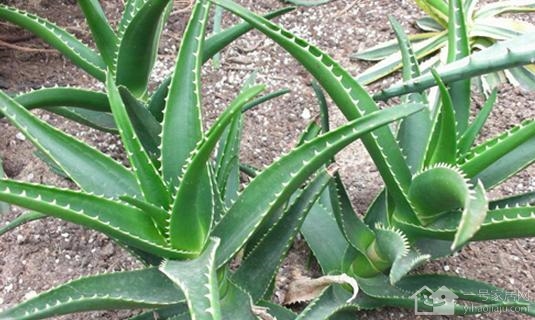
I. Aloe Vera Growing Precautions
1. Pay attention to temperature. Aloe vera is afraid of cold; at around 5°C it will stop growing, and at 0°C it will suffer frost damage. Therefore, aloe vera grows fastest when the growing temperature is 15-35°C.
2. Aloe vera is afraid of waterlogging. Aloe vera needs to grow in a place with good drainage, so when planting, some gravel can be mixed into the soil to prevent the soil from compacting, which would reduce the water soaking and air permeability of the aloe vera roots and block root respiration.
3. Aloe vera needs photosynthesis. Like other plants, aloe vera needs sunlight to grow. For newly planted aloe vera, it is best to let it get some sunlight in the morning, and absolutely avoid direct sunlight at noon.
4. The main thing affecting aloe vera growth is black spot disease, which is not only widespread but also relatively severe. The occurrence and spread of black spot disease are mainly due to rainy conditions and low temperatures, and it generally appears noticeably in spring. For control measures, prevention should be the main approach, using a combination of agricultural cultivation measures such as clearing ditches and draining waterlogged areas, lowering soil humidity, and chemical agents, so as to achieve the goal of reducing the damage.
5. Watering in summer needs attention. Aloe vera likes light and tolerates heat, but in summer when temperatures are high and rainfall is low, drought must also be prevented; appropriate watering can let aloe vera grow quickly. Watering must not be excessive; generally watering once every 5-10 days is enough.
6. Fertilizing aloe vera. Fertilizer is indispensable for any plant. Aloe vera not only needs nitrogen, phosphorus, and potassium, but also some trace elements. To ensure that aloe vera is a green and natural plant, try to use fermented organic fertilizer; cake fertilizer, chicken manure, and compost are all fine, and vermicompost is even more suitable for growing aloe vera.
7. Seedling propagation. Aloe vera seedling propagation is mainly asexual propagation. The propagation methods include division propagation and cutting propagation, and the propagation season is best in spring and autumn. Division propagation means that when the aloe vera tiller seedlings have more than 5 leaves, carefully pull up the young seedlings, trying not to damage the root system, and transplant them elsewhere or into flower pots. Cutting propagation means cutting off an aloe vera side branch of about 15 cm, placing it in a ventilated and shaded place for two or three days, and after the cut shrinks and dries, planting it elsewhere or in a flower pot, then shading it for one month. During this period, try not to water; when the cutting begins to grow, move it to the desired location, and at this time begin watering. For old aloe vera plants that have grown for many years, after reaching a certain height they tend to fall over, affecting their ornamental value. Therefore, cutting them off 7 cm from the leaf base and using the cutting method can make the old aloe vera plant regain its vitality.
II. Aloe Vera Growing Methods
Temperature: Temperature and light conditions should be suitable. Aloe vera likes light and is afraid of cold. So in summer it should be placed outdoors in a well-ventilated, well-lit place, while in winter attention should be paid to keeping it warm; an indoor temperature above 5°C is enough.
Soil: It is best to use sandy soil for cultivating aloe vera. Because sandy soil has good air permeability and drainage, aloe vera grows best in sandy soil. It is best if some humus soil can be added as fertilizer, but it is also fine if there is none. Usually, watering with some rice-washing water is enough to ensure the nutrition of aloe vera; there is no need to fertilize deliberately. On the contrary, fertilizing during the dog days can easily cause root rot. This is something very worth noting in aloe vera growing methods and precautions.
Watering: It is best not to let water accumulate in the aloe vera pot for a long time; too high soil moisture can cause root oxygen deprivation, leading to rot and death. Usually, watering once a week is enough, and in winter the amount of watering must be controlled even more, otherwise aloe vera is prone to root rot.
Repotting: It is best to repot aloe vera in spring, and after two years of growing it should be repotted into a pot one size larger. When repotting, be careful to remove rotten roots and keep the soil held by the root ball. After repotting with new soil, water thoroughly once to ensure the soil has moisture.
The above is the relevant introduction in this article. I believe that after reading it you also have a simple understanding of this. If needed, you can continue to follow No. 1 Home Network to learn more information.