How to grow cyclamen? 6 small tips for growing it
How do you grow cyclamen? How to care for cyclamen? Many flower lovers do not understand the growing methods for cyclamen. In fact, to master the growing methods for cyclamen you only need to start from a few aspects. Below we introduce the growing methods for cyclamen and tell everyone exactly how to grow cyclamen.
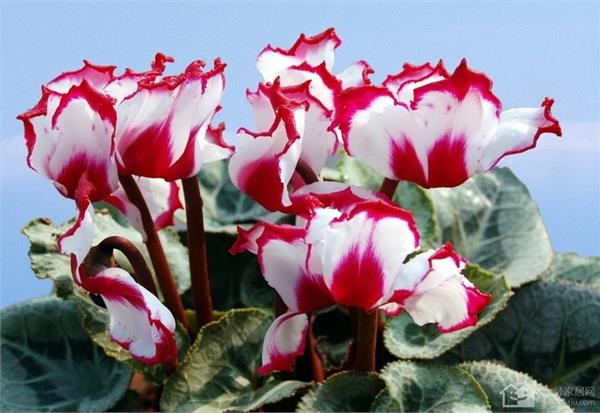
I. Basic information about cyclamen
Also known as root begonia, rabbit ear flower, rabbit flower, yipin crown, bonfire flower and fan-petal lotus, it is a perennial herbaceous plant of the genus Cyclamen in the family Primulaceae. Cyclamen is a commonly grown flower, and its growing methods are suitable for indoor pots, while in winter it needs to be grown in a greenhouse. Some cultivated varieties of cyclamen have a rich fragrance, while some have a light or no fragrance.
II. How to grow cyclamen
1. Potting soil: Cyclamen requires fertile, well-drained, slightly acidic soil. If the soil is left unmanaged for a long time or managed unscientifically, cyclamen will grow poorly, bloom little, have dull colors, and lose or reduce its ornamental value. For potting, loose and fertile nutrient soil is best. Apply a top dressing of decomposed, thin organic fertilizer such as human and animal manure and urine about every 10 days; after flower buds appear, apply two additional doses of 0.1% potassium dihydrogen sulfate.
2. Seed selection: Carefully select seeds, choosing plump, glossy, pest- and disease-free brown seeds. Soak seeds harvested in the same year for a full day and night in a mixture of 50 ppm GA3 (gibberellin) and 500 ppm thiophanate-methyl or chlorothalonil, then drain off the water, rinse clean in clear water, and drain off the surface moisture. Then sow; they bloom about 10 days earlier than seeds that were not soaked.
3. Temperature: The most suitable growing temperature is about 15°C. The optimum temperature for growth and flower bud differentiation is 15-20°C, with humidity of 70%-75%; in winter during the flowering period the temperature must not be lower than 10°C, for if the temperature is too low the flower color becomes dull and the flowers easily drop; if the summer temperature reaches 28-30°C, the plant goes dormant, and when the temperature rises above 30°C, cyclamen leaves will turn yellow and fall and the flowers will fade, leaving no ornamental value; if it reaches above 35°C, the tubers easily rot. At this time, place the plant on a well-ventilated north-facing balcony or under the eaves or corridor or in a rain-sheltered shade shed, stop fertilizing, control watering, and keep the potting soil moist. If it stays dry for a long time, the roots will shrivel and die and the corm will shrink, lose water and die.
4. Watering: Cyclamen likes water but dislikes wetness. The potting soil needs to stay moist, but waterlogging or soggy conditions must be strictly prevented, otherwise once the roots rot the whole plant will quickly die. Because the whole cyclamen plant is fleshy, it is also not drought-tolerant. If water is not supplied in time, the leaves will quickly turn yellow and wilt, and even after watering is resumed, many leaves will still turn yellow and need pruning, seriously affecting the appearance and growth of the whole plant.
5. Fertilizing: Fertilizing is generally carried out during the vegetative growth period, where nitrogen, phosphorus and potassium need to be balanced; during the flower bud formation period, the application rate of phosphorus and potassium fertilizer should be increased, but concentrated fertilizer, strong fertilizer or raw fertilizer must absolutely not be applied, otherwise fertilizer burn is very likely and the whole plant will die. If applying liquid fertilizer, pour it slowly along the edge of the pot, not from the top of the plant, and rinse the leaf surface with clear water after fertilizing.
6. Pest and disease control: The main diseases of cyclamen include bacterial soft rot, bacterial leaf rot, gray mold, anthracnose and leaf spot. Among these, soft rot and leaf rot are especially serious. When controlling them, the following aspects should be noted: strictly disinfect seeds, growing soil and tools; strengthen ventilation, lower temperature and humidity, and use rain-sheltered cultivation as much as possible; promptly remove diseased leaves and plants, and carry out operations such as leaf picking and bud picking when conditions are relatively dry; carry out chemical control regularly. In addition, cyclamen is also easily harmed by root-knot nematodes, mites and aphids, which should be controlled.
The above is the related introduction in this article. I believe that after reading it you also have a simple understanding of this. If needed, you can continue to follow No. 1 Home Network to learn more information.