Carnation Growing Tips: Grow Them This Way for More Blooms
As a common flowering plant, carnations have high ornamental value and their own beneficial properties, and since the plants are short, they are convenient for indoor pot cultivation. So how do you grow carnations? Below are the shared steps for how to grow carnations.
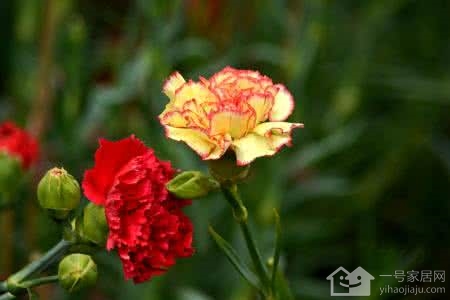
I. How to Grow Carnations
1. Soil: Carnation planting requires soil that drains well, is rich in humus, has good fertilizer-retention capacity, and is slightly alkaline clayey soil.
2. Watering: Carnations grow vigorously and have a relatively strong tolerance for drought. In rainy and overly wet areas, the soil tends to become compacted, and the root system develops abnormally due to poor aeration, so during the rainy season pay attention to loosening the soil and draining water. During the period of vigorous growth, water promptly and water more; at ordinary times, watering just to keep the soil moist is enough. Before flowering, spray water to regulate humidity.
3. Fertilizing: If you choose to plant carnation plants, folks, pay attention to choosing soil that drains well, is rich in humus, has good fertilizer-retention capacity, and is slightly alkaline clayey soil. Before planting, first apply sufficient base fertilizer containing potassium, calcium, nitrogen, and phosphorus at the bottom of the pot (or apply a sufficient amount of baked fertilizer and bone meal). During the growing period, continue to apply liquid fertilizer; generally apply a once-decomposed dilute fertilizer solution about every 10 days, and apply one topdressing after harvesting the flowers. Fertilizing is prohibited during the high-temperature period in summer, otherwise the plants are prone to withering and dying.
4. Pinching: Carnation flowers are very beautiful and are also the most valuable part. How do you make carnations bloom? This needs to start from the seedling stage, mainly through pinching, that is, removing branches. When the seedlings grow 8 to 9 pairs of leaves, carry out the first pinching, keeping 4-6 pairs of leaves; when the side branches grow more than 4 pairs of leaves, carry out the second pinching, keeping 3-4 pairs of leaves per side branch, and finally it is best for the whole plant to have 12-15 side branches. When buds are forming, keep only one flower bud at the top of each side branch, and promptly remove entirely the small flower buds and side branches sprouting from the leaf axils below the top. After the first flowering, promptly cut off the flower stalks, keeping only two buds at the base of each branch. Through such repeated pinching, the plant shape can be made graceful, with abundant flowers and bright colors. An important characteristic of carnations is that they love strong light, but not scorching sun. Whether pot cultivated indoors or grown in a greenhouse, they all need sufficient light, and placing them in a sunny position is of great benefit to the growth of carnations.
5. Control light and temperature well: Some flower enthusiasts report that during the growing process, phenomena such as leaf withering occur. This problem is mainly caused by poor control of temperature and light conditions. When the temperature is above 30 degrees, it is easy to cause withering symptoms. The most suitable environmental temperature for carnation growth is 13-25 degrees, and the light conditions should be controlled at 6-8 hours per day. This can ensure the normal growth of potted carnations. Loving strong light is an important characteristic of carnations. Whether indoors, potted for the summer, or greenhouse forcing cultivation, sufficient light is needed, and they should all be placed in sunny positions exposed to direct light.
II. Precautions for Growing Carnations
1. During the vigorous growth periods in spring and autumn, the soil should be kept moist to meet the needs of growth and development. During the high-temperature period in summer, growth is inhibited; at this time, watering should be moderated and ventilation strengthened, so as to keep the potting soil slightly dry.
2. Generally, move them into the greenhouse around "Frost's Descent," and the most suitable temperature regulation is 10-20°C. In order to force or delay the flowering period, the temperature can be appropriately raised or lowered. Measures should be taken to reduce the humidity in the greenhouse to reduce the occurrence of diseases.
3. Topdressing should follow the principle of light fertilizer applied frequently. For pot cultivation, apply dilute decomposed liquid fertilizer once every 7-10 days.
4. In winter, move them indoors and cultivate them in a place with sufficient sunlight and good ventilation. If the temperature is suitable, the flowering period can be extended to March of the following year.
5. During the seedling stage, pinching should be carried out 1-2 times to promote branching, so that each plant has about 10 side branches. Through pinching, the plant shape is graceful and flowering is abundant. As the branches grow, supports should also be set up to prevent lodging. During the growth period, promptly remove the side buds and small flower buds produced on each branch, keeping only one flower bud at the top of each branch, so that nutrients are concentrated to supply the terminal bud.
The above is the relevant introduction in this article. I believe that after reading it, you also have a simple understanding of this. If needed, you can continue to follow No. 1 Home Network to learn more information.