When Does Cymbidium Bloom? A Detailed Guide to Growing It
Cymbidium is also known as tiger-head orchid, Cymbidium hybrid, and boat orchid. Its leaves are long and emerald green, and its flowers are extremely beautiful, bold and magnificent, earning it the title of the world-famous "new star of orchids." It sells very well in the flower market and is deeply loved by flower enthusiasts, and is called the "new beauty orchid" by Europeans and Asians.
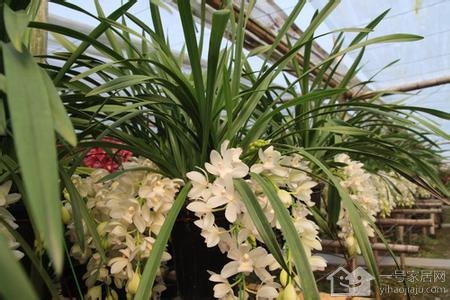
The natural blooming season of Cymbidium is from October to April of the following year, and with advances in technology, its blooming season can also be adjusted. June to October is the period for bloom regulation; artificially controlled blooming within 20 days before or after is feasible and quality is guaranteed. To control the blooming season, you must control the temperature well; during the day it should not exceed 30°C in the greenhouse, and it is best to keep it about 10 degrees higher than the outdoor temperature.
How to grow Cymbidium:
1. Temperature: choose a place that is warm in winter and cool in summer, with a growing temperature of 10-25°C and a nighttime temperature of around 10°C.
2. Water quality: acidic water, ideally rainwater for watering; during the growing period it needs higher air humidity. Generally speaking, Cymbidium is afraid of dryness but not of moisture.
3. Light: in midsummer, provide 50%-60% shade; in autumn, expose it to more sunlight, which helps flower bud formation and differentiation. On rainy and snowy days in winter, adding supplemental light is extremely beneficial for blooming.
4. Pest and disease control: black spot disease and ring spot necrosis harm the leaves; 70% thiophanate-methyl wettable powder can be used.
Cymbidium prefers a place that is warm in winter and cool in summer. Its optimum growing temperature is 10-25°C, and at night the best temperature is around 10°C. It has high requirements for water quality and prefers slightly acidic water; rainwater is best for watering. It needs relatively sufficient light; on rainy and snowy days in winter, adding supplemental light is extremely beneficial for blooming.
That is the relevant introduction in this article. I believe that after reading it you now have a simple understanding of it. If you need more, you can continue to follow No.1 Home Network for more information.