A Detailed Guide to the Cultivation Methods and Precautions for Four-Season Peonies
There are many varieties of peonies and many colors as well. Yellow, green, flesh-red, deep red and silver-red are considered the finest. Below, let us take a look together at the cultivation methods and precautions for four-season peonies.
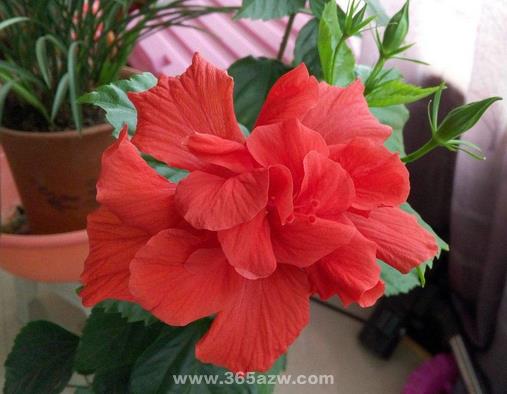
Spring Care Methods for Peonies
Repotting
In spring, when the temperature stabilizes at 10°C, you can begin watering, and repot once a year. When removing the plant from its pot, handle it gently and do not damage the root system. After removing it from the pot, cut off dead and diseased pest-damaged roots, let it dry in a cool, shaded place for 3-5 days, and then plant it.
Watering
After repotting, do not water for the time being. Mist 2-3 times a day and place it in a spot with higher humidity. After half a month, the peony resumes normal growth and can be watered lightly. After 1 month, when new roots have grown, gradually increase the amount of watering.
Summer Care Methods for Peonies
Shading
Summer temperatures are relatively good and sunlight is strong, so place the plant in a spot that receives sunlight in the morning and evening, avoiding the strong light at noon. In late summer, once it gradually cools down, move the plant to a spot with ample sunlight.
Watering
In summer, ensure sufficient moisture, watering when the soil is dry and withholding when it is wet. Spray water around the plant multiple times a day to lower the temperature, and ventilate frequently to avoid an environment that is too hot and stuffy.
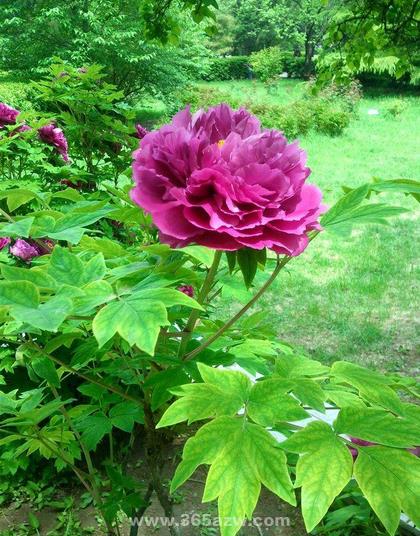
Autumn Care Methods for Peonies
Watering
In autumn, place red peonies in a spot with ample sunlight and shelter from rain, keeping the potting soil on the dry side. After the weather turns cool, gradually reduce watering so the plant slowly enters dormancy.
Moving Indoors
When the outdoor temperature drops to 10°C, promptly move the plant indoors to a warm place for care, such as a closed balcony or indoor space with light.
Winter Care Methods for Peonies
Keeping Warm
Peonies are not cold-tolerant. In winter, the indoor temperature should be kept above 10°C, or around 0°C. In regions with higher winter temperatures, pay attention to keeping the plant warm when caring for it outdoors.
Supplementing Light
In winter, peonies enter dormancy. Place the potted plant in a spot with ample sunlight so it can carry out photosynthesis and store nutrients, preparing for next year's bloom. During this period, pay attention to controlling water; the lower the temperature, the drier the potting soil should be.
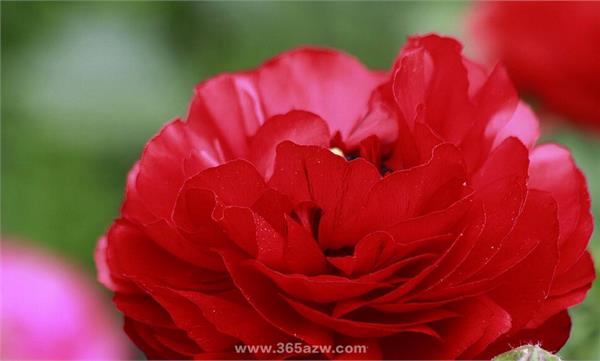
Peony Cultivation Techniques
Planting: The soil should be loose, fertile and neutral to slightly alkaline. Cut off broken and diseased roots from the peony seedling to be planted, soak it in insecticide and fungicide, and place it into a previously prepared pot or hole. The roots should spread out. Fill with soil to more than half the depth of the pot or hole, lift and shake the seedling gently, then firm and cover the soil. The depth should be such that the root crown is slightly below the pot surface or ground level.
Watering: After planting, water thoroughly once. Peonies dislike waterlogging, so water as appropriate during the growing season. In arid northern regions, generally water before flowering, after flowering and before the soil freezes. For pot cultivation, to make management easier, you may cut off the spent flowers after blooming and bury the whole pot underground.
Fertilizing: One year after planting, fertilizer may be applied in autumn, mainly well-rotted organic fertilizer. It can be applied in combination with loosening the soil, by broadcasting or by hole application. In spring and summer, chemical fertilizers are mostly used, applied together with watering as pre-flowering and post-flowering fertilizer. For pot cultivation, liquid fertilizer may be applied together with watering.
Pruning: In the year of planting, cut back to the ground. After sprouting in spring, keep about 5 branches and remove the rest, concentrating nutrients so that the flowers are large and vividly colored the following year. In autumn and winter, in combination with clearing the garden, cut off dried flower stalks, thin weak branches and non-flowering branches. For pot cultivation, prune into whatever shape you like as needed.
Cultivating: During the growing season, cultivate the soil promptly, pull out weeds, and watch for the occurrence of diseases and pests. In autumn and winter, carry out deep plowing of the soil around peonies more than two years old.
Repotting: After potted peonies have grown for three or four years, they need to be repotted in autumn into a larger pot with fresh fertile soil, or divided and planted separately.
Spraying: Before sprouting in early spring, spray with lime sulfur mixture; in summer, use a mixed solution of insecticide and fungicide, once every 2 weeks depending on the condition. In combination with fertilizing, chemical fertilizers and growth regulators may also be added.
Forcing Blooms: To add to festivals or celebratory events, depending on the variety, peonies can be warmed about 50 days in advance, with the temperature controlled at room temperature 10--25°C, averaging about 15°C. In the early stage, pay attention to keeping the plant moist; after buds appear, pay attention to ventilation and light; after buds form, control the temperature according to flowering requirements. Normally, apply foliar fertilizer and ensure an adequate water supply. In this way, flowers can be seen at any time in winter and spring.
Ornamental Display: A single peony plant has a natural flowering period of about 10--15 days, which shortens as the temperature rises; at 3--8°C it can last more than a month. For field planting, temporary sheds can be set up to shelter from wind and light to extend the viewing time; for pot cultivation, move it to a place without direct sunlight, at a temperature of 5--10°C, in a ventilated and well-lit environment, and water at appropriate times according to its appearance and the moisture of the potting soil. Do not splash water on the flowers, so the flowering period will be the longest. When cutting for flower arrangement, the cut wound should be made in water or seared. The water for the arrangement should contain a preservative or a little white sugar to extend the blooming time of the cut flowers.
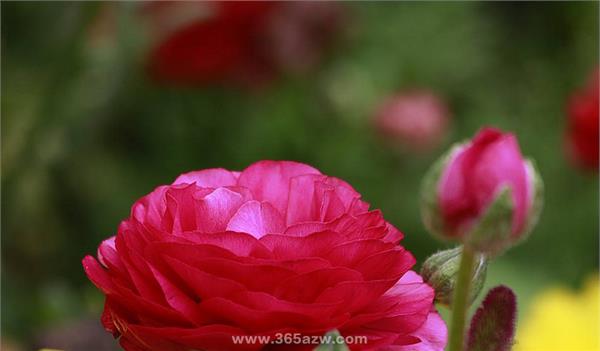
Growth Habits of Four-Season Peonies
It likes a warm, cool, dry and sunny environment. It enjoys sunlight but also tolerates partial shade, tolerates cold, tolerates drought, tolerates weak alkalinity, dislikes waterlogging, fears heat, and fears direct scorching sunlight. It is suitable for growing in loose, deep, fertile, neutral sandy loam on high, dry terrain with good drainage. It grows poorly in acidic or heavy clay soil.
Ample sunlight is relatively beneficial to its growth, but it cannot tolerate the scorching sun of summer; at temperatures above 25°C the plant will enter a dormant state. The suitable temperature for flowering is 17-20°C, but before flowering it must undergo low-temperature treatment at 1-10°C for 2-3 months. It can withstand low temperatures down to -30°C, but in cold northern regions appropriate cold protection measures are needed in winter to avoid frost damage. The hot, humid weather of the south is extremely unfavorable to peony growth. Therefore, cultivating peonies in the south requires giving them specific environmental conditions in order to enjoy their wonderfully beautiful flowers.