How to grow Epiphyllum hybrid? Detailed guide to cultivation methods
For the cultivation methods of Epiphyllum hybrid, fertilization should be stopped in winter and watering controlled. At this time, damp potting soil combined with low temperatures is the most likely to cause root rot. Below, let us take a look at the detailed introduction to the cultivation methods of Epiphyllum hybrid.
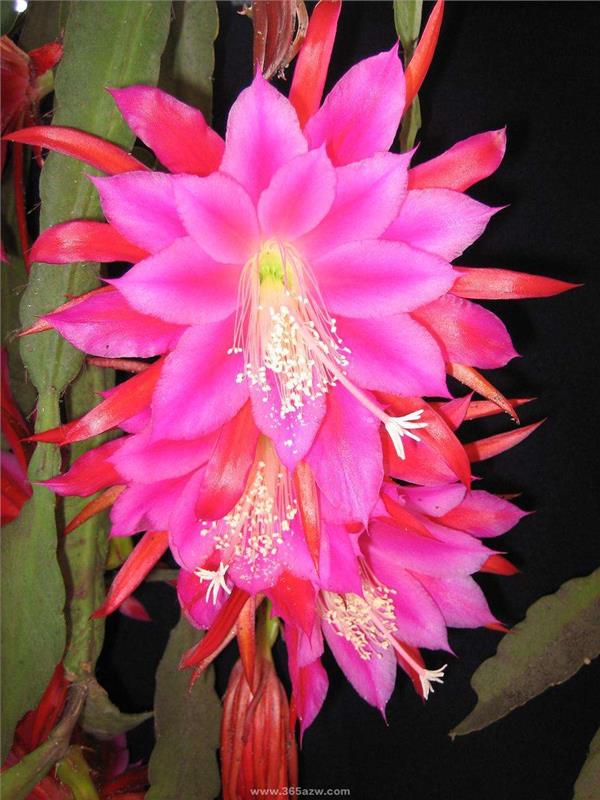
Detailed introduction to the cultivation methods of Epiphyllum hybrid
Cultivation methods of Epiphyllum hybrid
1. Soil: Epiphyllum hybrid does not have particularly high requirements for soil; loose, fertile, well-drained sandy loam is sufficient.
2. Watering: During the growth and development period of Epiphyllum hybrid, watering should follow the principle of watering when dry and stopping when wet. Never allow water to accumulate in the pot, otherwise root rot easily occurs. When flower buds have appeared but not yet opened, watering must not be excessive, otherwise it easily causes flowers and buds to drop. In the dry and windy spring and the hot summer, it is necessary to frequently spray the modified stems with clean water and sprinkle water on the ground around the flowerpot to maintain relatively high air humidity, which is beneficial to growth and flowering.
3. Sunlight: Epiphyllum hybrid prefers a warm and humid environment, but avoids direct sunlight. In summer, when the weather is hot and sunlight is strong, it should be placed under a shade shed to avoid direct sunlight, and water should often be sprayed around the pot to increase air humidity. In winter, when the weather is cold, Epiphyllum hybrid is not cold-tolerant, so after being brought indoors it should be placed in a sunny spot.
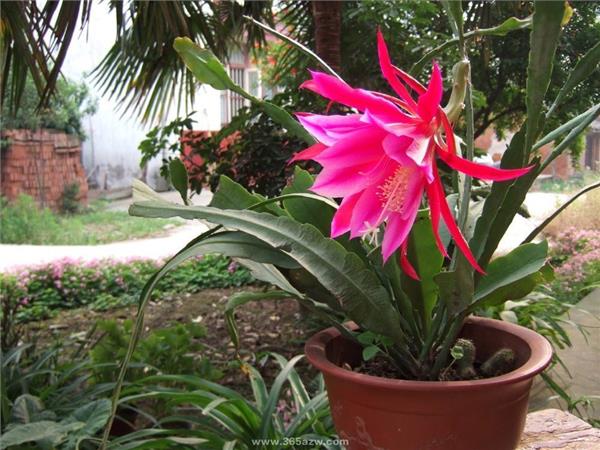
4. Temperature: Epiphyllum hybrid is not cold-tolerant. In northern regions, it should be brought indoors around the Cold Dew solar term, and after being brought indoors placed in a sunny spot. From November to March of the following year, the temperature should be maintained at 10-15°C. If the temperature is too high, the modified stems tend to grow leggy, affecting the symmetry of the plant shape; from March to June, the temperature should be maintained at 13-18°C. If the temperature is too low, it affects bud development. Cultivation methods of Epiphyllum hybrid and its precautions. Cultivation methods of Epiphyllum hybrid and its precautions.
5. Pruning: Because the modified stems of Epiphyllum hybrid are soft, thin bamboo poles are needed as supports. It is best to tie them into an oval frame and distribute the modified stems evenly and neatly on the frame for tying. This can both prevent breakage and facilitate ventilation and light penetration, making the plant shape symmetric and beautiful.
6. Fertilization: Epiphyllum hybrid likes fertilizer. During the growing season, apply 1 application of fully decomposed dilute cake fertilizer water every 15-20 days. After the Spring Festival, change to applying liquid fertilizer once every 10 days, and promptly remove excess lateral buds and branch buds sprouting from the base to reduce nutrient consumption and keep the plant shape neat and beautiful. During the bud stage, apply 1-2 additional applications of quick-acting phosphorus fertilizer to promote larger flowers and brighter colors.
7. Pests and diseases: Epiphyllum hybrid often suffers from stem rot, brown spot disease and root-knot nematode damage. It can be sprayed with a 1000-fold dilution of 50% carbendazim wettable powder. For root-knot nematode, irrigate with a 1000-fold dilution of 80% dichloropropane emulsifiable concentrate for control. When ventilation is poor, it is prone to damage by aphids, scale insects and red spider mites, which can be killed by spraying with a 1000-fold dilution of 50% fenitrothion emulsifiable concentrate.
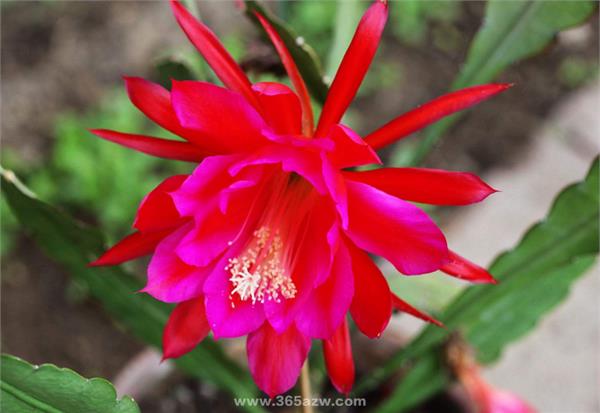
Precautions needed for Epiphyllum hybrid
1. For potted plants, the soil should preferably be fully decomposed culture soil rich in organic matter.
2. Summer is the growing season, and the potting soil should remain moist, but water must not accumulate, so as to avoid root rot. Avoid strong light; it can be grown in a semi-shaded place and protected from rain.
3. In autumn, if supplementary application of decomposed liquid fertilizer does not provide enough nutrients, it is not easy to bloom or it blooms less. Cultivation methods of Epiphyllum hybrid and its precautions. Flower encyclopedia. In autumn, remove the shading setup and increase light exposure.
4. In winter, move it indoors, water less, and place it in a spot with light to control its growth. If the indoor temperature is too high in winter, dense new shoots often sprout from the base and should be removed at any time to avoid consuming nutrients and affecting flowering after spring.
5. Spring is the season for flower bud growth, so watering and fertilizing should not be excessive, to avoid causing bud drop. In the evening, some water can be sprayed on the branch surfaces.