How to Water a Clivia? Detailed Guide to Watering Methods and Principles
Clivia likes a moist soil environment. But if watered too much, the potting soil becomes too wet, the air in the soil is squeezed out. Below, let's take a look at a detailed introduction to the watering methods and principles for Clivia.
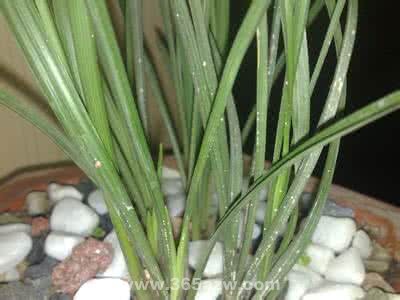
A Detailed Introduction to the Watering Methods and Principles for Clivia
If water is lacking beyond a certain limit, the plant will wilt or even die. Watering too much is no good, and being afraid to water is also no good, so some people use the phrase "three years to master watering flowers" to describe how hard it is to grasp the skill of watering. So how should you water a Clivia?
(1) Combine thorough and partial watering
Do not water thoroughly every time, and do not always avoid watering thoroughly. When only the surface layer is short of water, add only surface water; when the water content of the lower layer is insufficient, then water thoroughly.
(2) Combine dry and wet
The soil should often be in a state of half dry, half moist, or wet (note that when dry, the soil water content must not fall below 30%), as this favors the survival of aerobic and anaerobic microorganisms in the potting soil and benefits the growth of Clivia.
(3) Combine water and fertilizer
Add a little liquid fertilizer each time you water. This not only helps improve the water quality, but is also very beneficial to the growth of Clivia.
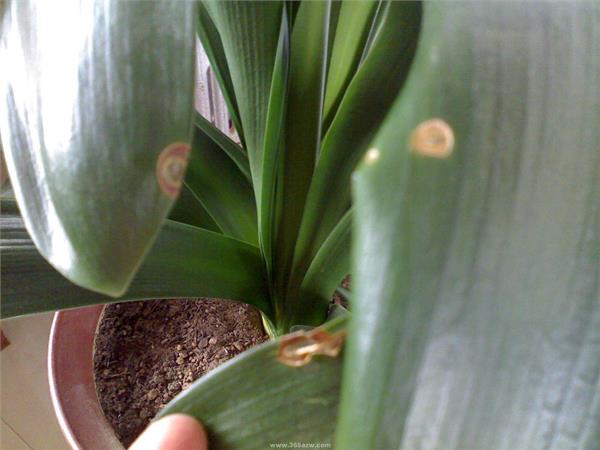
(4) Combine spraying and sprinkling
When grown at home, the surface of the potting soil tends to dry out more easily than in greenhouses or cellars. If you use a heavy watering, the volume of water is often too large and too fast, so it either does not water evenly or does not water thoroughly. The suitable method is: when the plant does not need thorough watering, use a pressurized spray bottle to moisten and soak the surface of the potting soil. When thorough watering is needed, use a special watering can (with many small holes at the spout) to sprinkle water evenly over every part of the potting soil, thus achieving the best watering effect.
(5) Combine top and bottom watering
When Clivia needs thorough watering, you can place the flower pot in a large basin containing a certain amount of water, so that the water in the basin slowly seeps into the potting soil through the drainage hole at the bottom. If you want to speed up watering, you can use a small container to pour the water in the basin from above. After thorough watering, just drain off the water that flows out of the pot. Households that grow only a small number of Clivia can use this method.
What Kind of Water Is Best for Clivia
(1) Hard water
Water is divided into hard water and soft water according to how much salt it contains. Hard water contains more salts. Long-term use of hard water containing large amounts of calcium and magnesium mineral salts to water Clivia will make the potting soil alkaline and compacted, worsening its permeability, causing brown spots on the leaves of the Clivia plant, affecting its ornamental effect, or producing toxic symptoms such as dry leaf tips, loss of green color, yellowing, and leaf drop, seriously affecting the plant's growth and flowering. Therefore, it is best not to use hard water for watering Clivia.
(2) Soft water
Among soft waters, rainwater (or snow water) is the most ideal. Because rainwater is a nearly neutral water, contains no minerals, and has more air (the suitable pH for Clivia is 6.0-7.0), it is very suitable for watering Clivia. If rainwater can be used for a long time to water Clivia, it helps promote the assimilation of Clivia, prolong the cultivation period, and increase its ornamental value. Therefore, during the rainy season you should try to store more rainwater for later use. In snowy areas south of the Yangtze River basin, snow water can also be stored to water Clivia, and the effect is also very good. But note that the ice and snow must be melted and left to stand until the water temperature is close to room temperature before use.
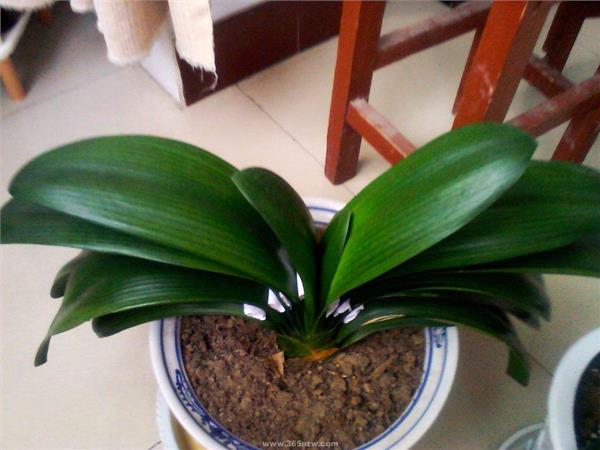
(3) River water and pond water
The main source of pond water is rainwater. On rainy days, surface runoff collects in ponds, so pond water contains more nutrients. If pond water can be used for a long time to water Clivia, no fertilizer need be applied, and the Clivia will still grow robustly, with bright leaf color and large, vividly colored flowers. Although river water has a wider range of sources, it is also mainly rainwater, and is also very good for watering Clivia. But river water is not as good as pond water.
(4) Tap water
Urban tap water, having undergone disinfection and sedimentation treatment, is not high in hardness and contains relatively few impurities. Although it contains trace amounts of easily volatile chlorine-aldehyde chemical agents, it is still highly safe and reliable for Clivia. If it can be left open for a few days until the chlorine in the water evaporates before use, so much the better.
(5) Groundwater
Groundwater (well water, underground mineral water) is generally high in hardness and mineralization, contains various impurities, and sometimes contains more chlorine, so it is not suitable for directly watering Clivia. But if it is stored in advance and exposed to the sun so that minerals settle out and chlorine-containing substances evaporate, it can also be used to water Clivia.
(6) Magnetized water
Recently there have been reports holding that watering Clivia with magnetized water gives very good results. The water temperature should be close to the soil temperature; around 20°C in spring and autumn is more suitable. Watering Clivia with magnetized water can promote the plant's metabolism, making Clivia grow vigorously, with green leaves and abundant flowers, and it also has the effect of preventing leaf spot disease in Clivia.
(7) Domestic wastewater
Domestic wastewater includes laundry water, dishwashing water, vegetable-washing water, face-washing water, tea water, rice-washing water, and bloody sewage. Some people always make a big deal out of using these wastewaters, but in fact the disadvantages outweigh the advantages. Especially for growing flowers on a balcony, it is better to keep things clean and hygienic; it is best not to use wastewater to water Clivia. Clivia also must not be watered with laundry water containing soap or washing powder, or with dishwashing water containing grease, as these waters have toxic effects.
What Principles Apply to Watering Clivia
(1) Water according to the soil
Usually you can tap the side of the pot lightly with your finger; if it gives a dull sound, it means the soil is moist and does not need watering; if it gives a light, bright sound, it means the potting soil is dry and should be watered. You can also water according to the color of the soil: when the potting soil is gray and whitish, it means the soil is already dry and needs watering; when the soil is dark in color, it does not need watering.
(2) Water according to the weather
When the temperature is high or there is strong wind, the plant's evaporation is large, so it should be watered more; when the temperature is low or it is cloudy, it can be watered less; on rainy days, do not water any more. Sometimes, when there is a lot of rain or the rain is too heavy, covering is still needed to prevent the potted flowers from becoming waterlogged.
(3) Water according to the seedling
For newly potted, newly repotted, or newly planted Clivia, water large seedlings thoroughly; water small seedlings after two or three days. Water again after 5-7 days.
(4) Water according to the pot
New pots are dry and absorb water quickly, so water more; old pots are moist and do not absorb much water, so water less; clay pots should be watered more, glazed pots and purple clay pots should be watered less; large pots should be watered less, small pots should be watered frequently.
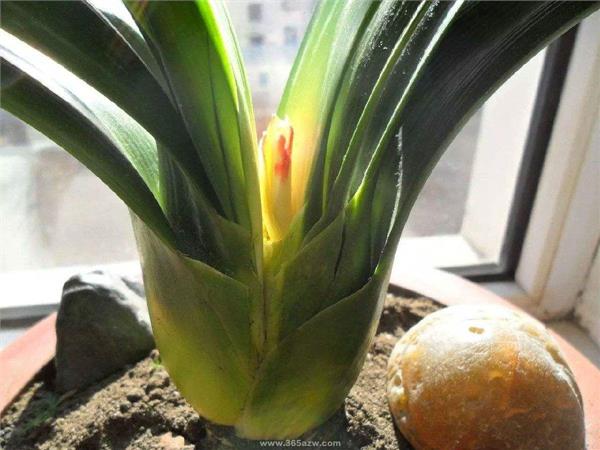
(5) Water according to the time
It is best to water before sunrise and after sunset, especially after sunset, where the effect is good; pay even more attention to this in hot summer. Watering in the afternoon, when the temperature is lower and evaporation is small, allows Clivia to absorb more. Watering at noon, due to drastic temperature changes, easily causes root damage and poor growth. In fact, the specific watering time for Clivia can simply be flexibly controlled according to the specific situation.
(6) Water according to the water temperature
When watering, the water temperature should be basically the same as the air temperature; if the difference between water temperature and air temperature is too great (more than 5°C), it easily harms the Clivia root system. To reduce the harm of water temperature to the Clivia root system, it is best to first put the water in a bucket (or vat) and let it stand in the sun for several hours, then use it once the water temperature is close to the air temperature. Generally speaking, the water temperature suitable for watering Clivia can be a few degrees higher than the soil temperature in winter, and a few degrees lower than the soil temperature in summer; in spring and autumn, being close to or equal to the soil temperature is best, with around 20°C being suitable.
Clivia also must not be watered with laundry water containing soap or washing powder, or with dishwashing water containing grease, as these waters have toxic effects.What Principles Apply to Watering Clivia
(1) Water according to the soil
Usually you can tap the side of the pot lightly with your finger; if it gives a dull sound, it means the soil is moist and does not need watering; if it gives a light, bright sound, it means the potting soil is dry and should be watered. You can also water according to the color of the soil: when the potting soil is gray and whitish, it means the soil is already dry and needs watering; when the soil is dark in color, it does not need watering.
(2) Water according to the weather
When the temperature is high or there is strong wind, the plant's evaporation is large, so it should be watered more; when the temperature is low or it is cloudy, it can be watered less; on rainy days, do not water any more. Sometimes, when there is a lot of rain or the rain is too heavy, covering is still needed to prevent the potted flowers from becoming waterlogged.
(3) Water according to the seedling
For newly potted, newly repotted, or newly planted Clivia, water large seedlings thoroughly; water small seedlings after two or three days. Water again after 5-7 days.
(4) Water according to the pot
New pots are dry and absorb water quickly, so water more; old pots are moist and do not absorb much water, so water less; clay pots should be watered more, glazed pots and purple clay pots should be watered less; large pots should be watered less, small pots should be watered frequently.
(5) Water according to the time
It is best to water before sunrise and after sunset, especially after sunset, where the effect is good; pay even more attention to this in hot summer. Watering in the afternoon, when the temperature is lower and evaporation is small, allows Clivia to absorb more. Watering at noon, due to drastic temperature changes, easily causes root damage and poor growth. In fact, the specific watering time for Clivia can simply be flexibly controlled according to the specific situation.
(6) Water according to the water temperature
When watering, the water temperature should be basically the same as the air temperature; if the difference between water temperature and air temperature is too great (more than 5°C), it easily harms the Clivia root system. To reduce the harm of water temperature to the Clivia root system, it is best to first put the water in a bucket (or vat) and let it stand in the sun for several hours, then use it once the water temperature is close to the air temperature. Generally speaking, the water temperature suitable for watering Clivia can be a few degrees higher than the soil temperature in winter, and a few degrees lower than the soil temperature in summer; in spring and autumn, being close to or equal to the soil temperature is best, with around 20°C being suitable.