What are the nutritional value and benefits of mustard greens?
Mustard greens can be seen everywhere in the vegetable market, and their price is relatively cheap; fresh mustard greens are bright green and taste slightly bitter, but they have very good effects on the human body. Mustard greens can be stir-fried alone, made into soup, cooked into porridge, stewed with fish, or pickled into sauerkraut... Mustard greens have rich and varied preparation methods, and they are also a very magical vegetable. So what kind of plant are mustard greens?
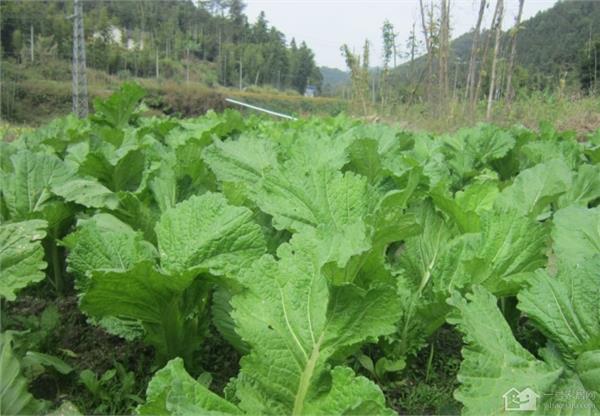
What kind of plant are mustard greens?
Mustard greens, also called snow cabbage, are the tender stems and leaves of the cruciferous plant mustard greens. Their nature and flavor are pungent and warm, and they enter the lung, spleen, and stomach meridians. They have the effects of promoting urination and stopping diarrhea, dispelling wind and dispersing blood, and reducing swelling and relieving pain. They mainly treat conditions such as difficult urination, diarrhea, dysentery, coughing blood, swollen and painful gums, sore throat and hoarse voice, swollen and painful hemorrhoids, itching from lacquer sores, traumatic injuries, and joint pain, and are a commonly used herbal medicine among the people.
The nutritional value and benefits of mustard greens
Mustard greens are very rich in vitamin A, B-group vitamins, vitamin C, and vitamin D. Their specific benefits include refreshing the mind and invigorating the brain. Mustard greens contain a large amount of ascorbic acid, which is a highly active reducing substance that participates in important oxidation-reduction processes in the body, can increase the oxygen content in the brain, stimulate the brain's use of oxygen, and has the effect of refreshing the mind, invigorating the brain, and relieving fatigue.
Secondly, they also have the effect of detoxifying and reducing swelling, can resist infection and prevent the occurrence of diseases, inhibit the toxicity of bacterial toxins, promote wound healing, and can be used to assist in the treatment of infectious diseases. They also have the effect of stimulating appetite and promoting digestion, because pickled mustard greens have a special fresh taste and aroma, can promote the digestive function of the stomach and intestines, increase appetite, and can be used to stimulate appetite and help digestion.
Mustard greens can also improve eyesight, benefit the diaphragm, and loosen the bowels to relieve constipation. This is because the tissue of mustard greens is relatively coarse and hard and contains carotene and a large amount of dietary fiber, so they have the effects of improving eyesight and loosening the bowels to relieve constipation. They can be used as an excellent dietary therapy for ophthalmology patients, and can also prevent and treat constipation, and are especially suitable for elderly people and those with habitual constipation.
Although mustard greens contain rich vitamin components, eating too much of them often causes adverse effects. For example, if you have heat-type cough and eat a lot of mustard greens, or pickled mustard greens, then you may cough continuously for a whole night. If you have conditions such as sores, boils, measles, or pox, eating a lot of mustard greens will cause the affected area to expand.
Mustard greens treat cold abdominal pain. Abdominal pain can roughly be divided into two types. Any that arises suddenly belongs to the acute type. One type belongs to the chronic type, and many of these are caused by exposure to cold, called cold abdominal pain, commonly known as cold bellyache. At first there is a dull pain, which gradually intensifies, and the whole abdomen hurts intermittently, or there may be mild diarrhea. Mustard greens can be used with one qian and a half of soaked ginger, brewed as tea and drunk, and in severe cases three qian of heated aconite root can be added. If a child has abdominal pain, mustard seed paste can be applied to the navel, and the pain will stop immediately.
Mustard greens have rich and varied preparation methods and can be cooked with many kinds of foods into delicious dishes, so people who like eating mustard greens may as well learn more of its preparation methods, so that they can eat mustard greens with different flavors. It is also very common to dry fresh mustard greens slightly and then pickle them into sauerkraut, but everyone is reminded that after pickling, the flavor, nutritional value, and other components of mustard greens are lost to a certain extent. It is not recommended that people eat large amounts of pickled mustard greens, otherwise it will bring a relatively large burden to the stomach, intestines, and body.
The above is the relevant introduction of this article. I believe that after reading it, you also have a simple understanding of this. If needed, you can continue to follow No. 1 Home Network to learn more information.