How do you care for cyclamen? These 6 tips will help you grow them well
The cyclamen is beautiful and elegant with extremely high ornamental value, yet this delicate flower is not so easy to grow well, and how to cultivate cyclamen has become a difficult problem. Below, the techniques on how to grow cyclamen well and how to care for cyclamen are shared with everyone.
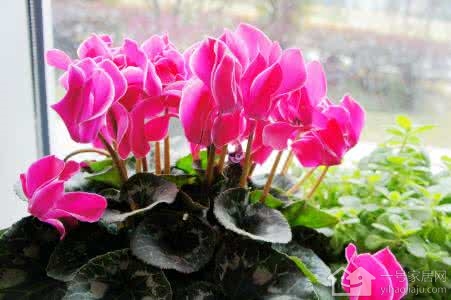
1. Seed selection: Carefully select seeds, choosing plump, glossy brown seeds free of pests and diseases. Soak seeds harvested in the same year in a mixture of 50ppm GA3 (gibberellin) and 500ppm thiophanate-methyl or chlorothalonil for a full day and night, then drain off the water, rinse clean in clear water, and drain away the surface moisture. Then sow, and they will bloom about 10 days earlier than seeds that were not soaked.
2. Potting soil: Requirements for the soil. It likes a sunny, moist and cool environment, but fears waterlogging. For growing cyclamen, the substrate needs to be loose, breathable, well-draining, slightly acidic soil; generally a mixed substrate of peat and perlite is used for cultivation. A mix of leaf mold and furnace slag ash can also be used. When planting, the substrate for growing cyclamen must be disinfected and sterilized to prevent damping-off, root rot and other diseases. The potting soil needs to stay moist, but water accumulation or waterlogging must be strictly prevented, otherwise once the roots rot, the whole plant will quickly die.
3. Temperature and humidity: The cyclamen likes a warm environment and cannot tolerate high temperatures or severe cold. The maximum temperature must not exceed 30°C, otherwise it will enter a dormant state, and high temperatures around 35°C easily cause rot and death. In winter it is best kept between 10-20°C; below 5°C, growth is inhibited, leaves curl, and flowers open poorly with dull colors. In summer, place it in a moist, ventilated spot, and keep the potting soil somewhat dry so it can go fully dormant through the summer. It likes a humid environment and cannot tolerate dryness; during the growing period, humidity needs to be maintained between 60-70%, which keeps the leaves dark green and glossy. In winter it must not be placed where it is directly exposed to heating or air conditioning, to prevent wilting and drying out from drafts. When misting, avoid the flowers to prevent them from fading prematurely. The water temperature should be close to room temperature.
4. Light: During the growing period, sufficient light is needed for long-lasting blooms and vivid flower colors. Placing it in semi-shade is only suitable for brief enjoyment, and shady environments must be avoided even more, otherwise both leaf and flower colors will fade and the plant will weaken; in severe cases it is very hard to recover, until it declines and withers away.
5. Fertilizing: The cyclamen is also a fertilizer-loving plant. First, start with the soil: use fertile sandy loam rich in humus for the soil in the pot, replace the potting soil once a year, and apply 2‰ potassium dihydrogen phosphate once each in spring and autumn every year. Never apply high-nitrogen fertilizer; this can make it bloom 15-20 days earlier. During the growing period, fertilizers should generally be applied lightly and often, and liquid fertilizer must be fully decomposed and fermented; fertilizing should be done on sunny days. From June to August, stop or reduce fertilizing. After late August, as the weather gradually cools and growth becomes vigorous, fertilize once every 7-10 days, applying more phosphorus- and potassium-containing fertilizer to promote lush blooming later. When fertilizing, be careful to prevent the fertilizer solution from covering the top of the corm, so as to avoid causing rot.
6. Pest and disease control: The main diseases of cyclamen include bacterial soft rot, bacterial leaf rot, gray mold, anthracnose, leaf spot and so on. Among them, soft rot and leaf rot are especially serious. For growing cyclamen, the following aspects should be noted in control: strictly disinfect seeds, growing soil and tools; strengthen ventilation, lower temperature and humidity, and avoid rain cultivation as much as possible; promptly remove diseased leaves and diseased plants, and carry out operations such as leaf picking and bud picking when it is relatively dry; carry out regular chemical control. In addition, cyclamen is also easily harmed by root-knot nematodes, mites, aphids and so on, and attention should be paid to their control.
The above is the relevant introduction in this article. I believe after reading it you also have a simple understanding of this. If needed, you can continue to follow No.1 Home Network to learn more information.