Which flowers and plants are unsuitable for indoor cultivation? Beware of these green killers
The habit of growing flowers and plants indoors has existed since ancient times, and the more refined and elegant a person is, the more they tend to enjoy it. With the changes of the times, this hobby has persisted. Modern people use computers a lot, so they often like to grow ball cacti at home to absorb radiation. Loving flowers and growing flowers is certainly good, but you also need to grow the right ones. Some plants are simply not suitable for indoor cultivation. Next, let's take a look together at which flowers and plants are indoor green killers.
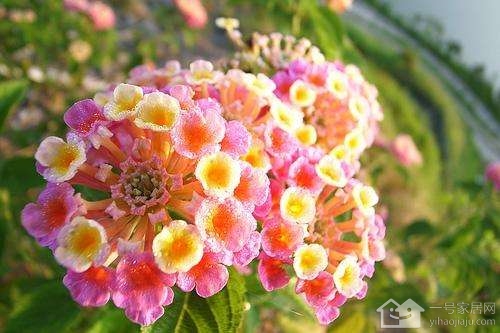
Plants unsuitable for indoor cultivation
1. Poinsettia: the whole plant is toxic, especially the white sap in the stems and leaves, which can irritate the skin, causing redness, swelling, and allergic reactions. If ingested by mistake, there is a risk of poisoning and death.
2. Night-blooming jasmine and tulips: their fragrance is strong, and after being exposed to this smell for a long time, it becomes unbearable. Night-blooming jasmine can release strongly olfactory-irritating particles at night. People with high blood pressure and heart disease should not smell it for long periods, otherwise their condition may worsen. It contains toxic alkaloids. If humans and animals stay among these plants for 2 to 3 hours, they will feel dizzy and confused and show symptoms of poisoning; in severe cases, it can also cause hair loss.
3. Conifers and cypresses: they secrete lipid substances and give off a relatively strong pine-oil odor. Prolonged exposure can lead to loss of appetite and nausea.
4. Peony: its heavy, unpleasant odor can make people listless, weak, and short of breath.
5. Narcissus, roses, and orchids: their fragrance is striking, and over time, especially when breathing in these floral scents during sleep, it can also make people uncomfortable. If the aroma released by orchids is smelled for too long, it can make people overly excited and cause insomnia.
6. Chinese rose, daphne, lantana, hydrangea, and geranium: all can cause sensitization. Touching or stroking them often causes skin allergies. In severe cases, red rashes appear and the itching is unbearable. The rich original fragrance released by Chinese roses can make people with allergic constitutions feel chest tightness and discomfort and leave them gasping for breath.
7. Mimosa, poinsettia, oleander, yellow rhododendron, and zhuangyuanhong: flowers with toxins must absolutely not be placed indoors.
8. Chinese evergreen, called "dumb stick" among the people. According to determinations by botanists, it contains some toxic enzymes. Its stem and leaf sap is strongly irritating when it touches the skin. If an infant bites it by mistake, it can cause throat swelling and even paralyze the vocal cords and cause loss of voice.
9. Oleander, called a "low-grade hallucinogen." Prolonged smelling can increase heart rate and trigger hallucinations, fainting, and other central nervous system symptoms. Frequently smelling its odor can reduce a person's intelligence.
10. Redbud flower: if a person comes into contact with this pollen for a long time, it can trigger asthma.
11. Lily: smelling its fragrance for a long time can overstimulate the central nervous system and cause insomnia.
12. Hydrangea: prolonged contact with the particles it releases can cause skin allergies or itching. Crown-of-thorns, red-backed osmanthus, croton, huo yang le, and jinguolan: all contain toxic substances that can induce nasopharyngeal cancer and esophageal cancer.
The above is the relevant introduction in this article. I believe that after reading it, you also have a simple understanding of this. If needed, you can continue to follow No. 1 Home Network to learn more information.