A Detailed Explanation of the General Benefits and Clinical Therapeutic Benefits of Qixiancao
As a therapeutic drug for acute and chronic blood diseases, Qixiancao mostly grows in the Qinling Mountain area and has tenacious resilience. After being made into Chinese herbal medicine, it is praised as a treasure by traditional Chinese medicine practitioners. So what specific benefits does Qixiancao have?
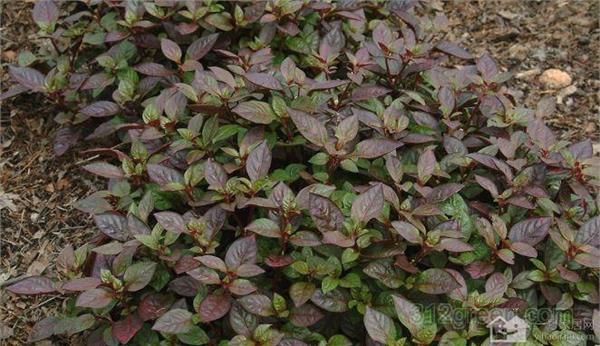
General Benefits
It is generally believed that "Qixiancao" includes more than 20 species such as Hongmaoqi (Caulophyllum robustum), Erse Buxuecao (Limonium bicolor), Toufaqi, Shiziqi, Shouzhangshen (Gymnadenia conopsea), Hongqi (Astragalus membranaceus), and Luxiancao (Pyrola calliantha). Research shows that "Qixiancao" can significantly improve the bone marrow hematopoietic microenvironment, activate bone marrow hematopoietic stem cells, and enhance humoral immunity and cellular immune function.
Clinical Therapeutic Benefits
When "Qixiancao" is combined with a variety of Chinese herbal medicines, it can achieve significant clinical therapeutic benefits:
1. When combined with Huangqi (Astragalus membranaceus), Dangshen (Codonopsis pilosula), Baizhu (Atractylodes macrocephala), Lingzhi (Ganoderma lucidum), Buguzhi (Psoralea corylifolia), and Yinyanghuo (Epimedium), it can promote the growth and maturation of immature cells, activate the multi-lineage differentiation capacity and self-renewal capacity of hematopoietic stem cells, and maintain the body's normal hematopoietic mechanism.
2. When combined with Renshen (Panax ginseng), it promotes the synthesis of RNA, DNA, and protein, and stimulates bone marrow hematopoiesis. It not only promotes the synthesis of cholesterol, phospholipids, proteins, and DNA in bone marrow tissue, but also significantly increases nucleated red blood cells, white blood cells, and platelets in the bone marrow, and can raise white blood cells in peripheral blood, preventing and treating leukopenia caused by radiotherapy and chemotherapy.
3. When combined with Huangjing (Polygonatum sibiricum), Jixueteng (Spatholobus suberectus), Nvzhenzi (Ligustrum lucidum), and Wuweizi (Schisandra chinensis), it enhances cellular immune function, promotes lymphocyte transformation, and improves and enhances the phagocytic function of monocytes and macrophages.
4. When combined with Huangqi (Astragalus membranaceus), Dangshen (Codonopsis pilosula), Tusizi (Cuscuta chinensis), and Huangjing (Polygonatum sibiricum), it can enhance humoral immunity and promote antibody production; when combined with Guiban (Plastrum Testudinis), Xuanshen (Scrophularia ningpoensis), Maidong (Ophiopogon japonicus), and Shengdi (Rehmannia glutinosa), it can prolong the duration of antibody activity.
5. It counteracts the toxic side effects of radiotherapy, chemotherapy, and hormone therapy, and has the effect of "enhancing efficacy and reducing toxicity."
6. It improves stress capacity, resists fatigue, and strengthens neuroendocrine regulatory function. It enhances the body's resistance to various harmful factors (physical - extreme cold and heat, chemical - toxins, biological - pathogens, as well as hunger and overwork, etc.), strengthens the neuro-hypophyseal-adrenocortical function and its regulatory effect, and can accelerate the functional recovery of the pituitary-adrenal system that has already entered the exhaustion stage.
At present, the most famous blood disease treatment drug made from Qixiancao is Kangxuening, which is a routine drug for blood treatment. At present, domestic research on Qixiancao is still deepening. Although under the current circumstances Qixiancao has greatly filled the gap in the field of blood disease treatment in China, there is still a long road ahead to travel.
The above is the relevant introduction in this article. I believe that after reading it, you have gained a simple understanding of this. If needed, you can continue to follow No.1 Home Network to learn more information.