What are the benefits and effects of calendula? A detailed guide
Calendula is also known as pot marigold. Long ago, calendula grew in India. Let us take a look together at a detailed introduction to the benefits and effects of calendula below.
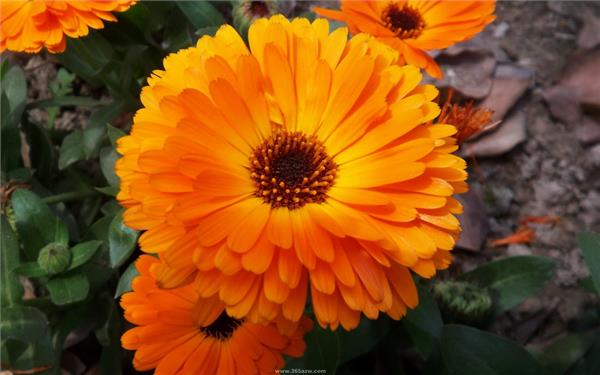
A detailed introduction to the benefits and effects of calendula
The benefits of calendula
Components: Calendula contains carotene, lycopene, violaxanthin, rubixanthin, volatile oil, resin, mucilage, malic acid and other elements. It is a nutrient-rich flower.
Nature and flavor: bitter; pungent; salty; slightly warm
Meridian tropism: enters the lung, stomach and large intestine meridians
Benefits: The flowers and leaves of calendula have anti-inflammatory and antibacterial effects, the root can promote the flow of qi and invigorate blood, and the flowers can cool the blood and stop bleeding. Calendula's beauty benefits should not be overlooked either; it has a highly moisturizing effect on dry skin.
The effects of calendula
1. Blood lipid-lowering effect: The saponins in pot marigold can reduce serum cholesterol, free fatty acids, phospholipids, beta-lipoprotein, total lipids and triglycerides in rats with experimental hyperlipidemia, and also have a lowering effect on total liver lipids, cholesterol and triglycerides.
2. Stimulating effect: The polysaccharide components in pot marigold have a relatively strong immune-stimulating effect.
3. Sedative effect: Pot marigold flower extract has a sedative effect on the central nervous system and can reduce reflex excitability; intravenous injection can lower blood pressure, enhance cardiac activity, increase heartbeat amplitude and slow heart rate.
4. Medicinal effect: It can promote bile secretion and accelerate wound healing. In European folk tradition, there is a custom of taking pot marigold flowers orally to treat gastric and duodenal ulcers, gastritis, liver and gallbladder disorders, and so on. If used for digestive tract cancer, it can reduce poisoning symptoms and improve appetite, sleep and so on, and it has also been used for irregular menstruation.
5. Tea use: Calendula is suitable for steeping on its own, or paired with green tea. Brew with one large spoon of dried calendula petals, cover and steep for about 3 to 5 minutes. The golden-yellow tea sets off the floating golden petals, with a delicate fragrance rising gently. It tastes sweet with a slight bitterness, and honey can be added for flavor.
6. Softening hair: Do not worry if your hair is dry and yellowed; calendula can also help you solve this problem. Add calendula to shampoo and wash your hair together with it. With long-term persistence, your hair will become smoother.
7. Anti-inflammatory: In European folk tradition, calendula is used externally for various inflammations of the skin and mucous membranes, and can also treat many kinds of ailments.
8. Beauty: Calendula is rich in multiple vitamins, especially vitamin A and vitamin C. It can prevent pigmentation, improve skin radiance and elasticity, slow aging and prevent skin sagging and wrinkles.
Contraindications for calendula
1. It is worth noting that when taking calendula preparations, they should be used at the prescribed dosage; taking an excessive amount can cause poisoning symptoms such as nausea, vomiting, excessive sweating, abdominal pain, dizziness, blurred vision and palpitations, and severe cases can be fatal.
2. If poisoning occurs, mild cases should stop using it and take 2 g to 3 g of potassium chloride orally, three times a day; in severe cases, treat according to symptoms and carry out comprehensive rescue when necessary.
3. Pregnant women should not drink calendula tea.
How to consume calendula
1. How to brew calendula tea
Calendula tea is made by brewing one large spoon of dried petals. Cover and steep for about 10 minutes. The golden-yellow tea sets off the floating golden petals, with a delicate fragrance rising gently. It tastes sweet with a slight bitterness, and honey can be added for flavor.
2. Tips for selecting calendula
1. Do not choose calendula tea whose color is too vivid or too pretty; it may have been fumigated with sulfur, and after brewing such calendula with boiling water, there will be a sulfur smell. Choose fresh chrysanthemum flowers that have a calyx, with the calyx tending toward green.
2. Do not choose calendula with a dull color either. This kind of calendula is old stock and has been damp, and may even have grown mold. Eating such calendula is harmful to the body.
3. Touch it with your hand; soft and smooth calendula is better. If the petals are not messy and do not fall off, that indicates it was picked just after blooming.
4. The quality of calendula in vegetable markets is not guaranteed. Calendula from large hospitals or large pharmacies has independent packaging and is checked by pharmacists, so relatively speaking, the quality is guaranteed.
3. How to consume calendula
Calendula is suitable for steeping on its own, or paired with green tea. Brew with one large spoon of dried calendula petals, cover and steep for about 3 to 5 minutes. The golden-yellow tea sets off the floating golden petals, with a delicate fragrance rising gently. It tastes sweet with a slight bitterness, and honey can be added for flavor.
4. The flower language of calendula
People in Europe and America like to cut the stems of calendula and place them in vases for viewing. Because calendula is the flower that announced the pregnancy of the Virgin Mary, its flower language is--"relief."
Anyone born under the blessing of this flower is very maternal and brims with a gentle radiance that can embrace everything. Sometimes this gentleness is mistaken by others for love. So people who already have boyfriends or girlfriends should be careful not to cause misunderstandings.
In the Normandy region of France, calendula is used to add a golden-yellow color to cattle. It is also said to have the function of predicting the weather: if the flower blooms before 7 a.m., the day will definitely be sunny; otherwise, it is going to rain.